
Finding your ideal niche market doesn't have to rely on gut feelings or risky guesswork. By analyzing high-intent keyword data and search trends, you can pinpoint exactly what your audience desperately wants to buy. Once you identify that gap, you can instantly validate and execute your new content strategy using the automated power of a Social Audit.
Why "What is a Niche?" is Spiking on Google Trends Right Now
The search query "what is a niche" is spiking because marketers are realizing that targeting broad, generalized audiences is too expensive, making hyper-specific niches the only profitable path forward.
If you look closely at recent Google Trends data, queries like "what is a niche" and "niche market" are seeing a massive 30% to 40% surge in search interest. This isn't a random coincidence. Marketing budgets are tighter, and ad costs are climbing steadily higher. Brands are collectively realizing that trying to speak to everyone means you end up connecting with absolutely no one.
Finding a Niche Market is no longer just a cute branding exercise. It is a strict financial necessity for survival. When you zoom in on a specific subset of consumers, you drastically lower your acquisition costs. You stop competing with massive legacy brands and start dominating a highly specific conversation.
This shift in search behavior proves that marketers are actively hunting for untapped sub-markets. They are tired of the noise and want to build authority where it actually counts. The smartest teams are pivoting away from generalist strategies and diving headfirst into highly specialized Content Pillars.
The Difference Between Broad Keywords and High-Intent Goldmines
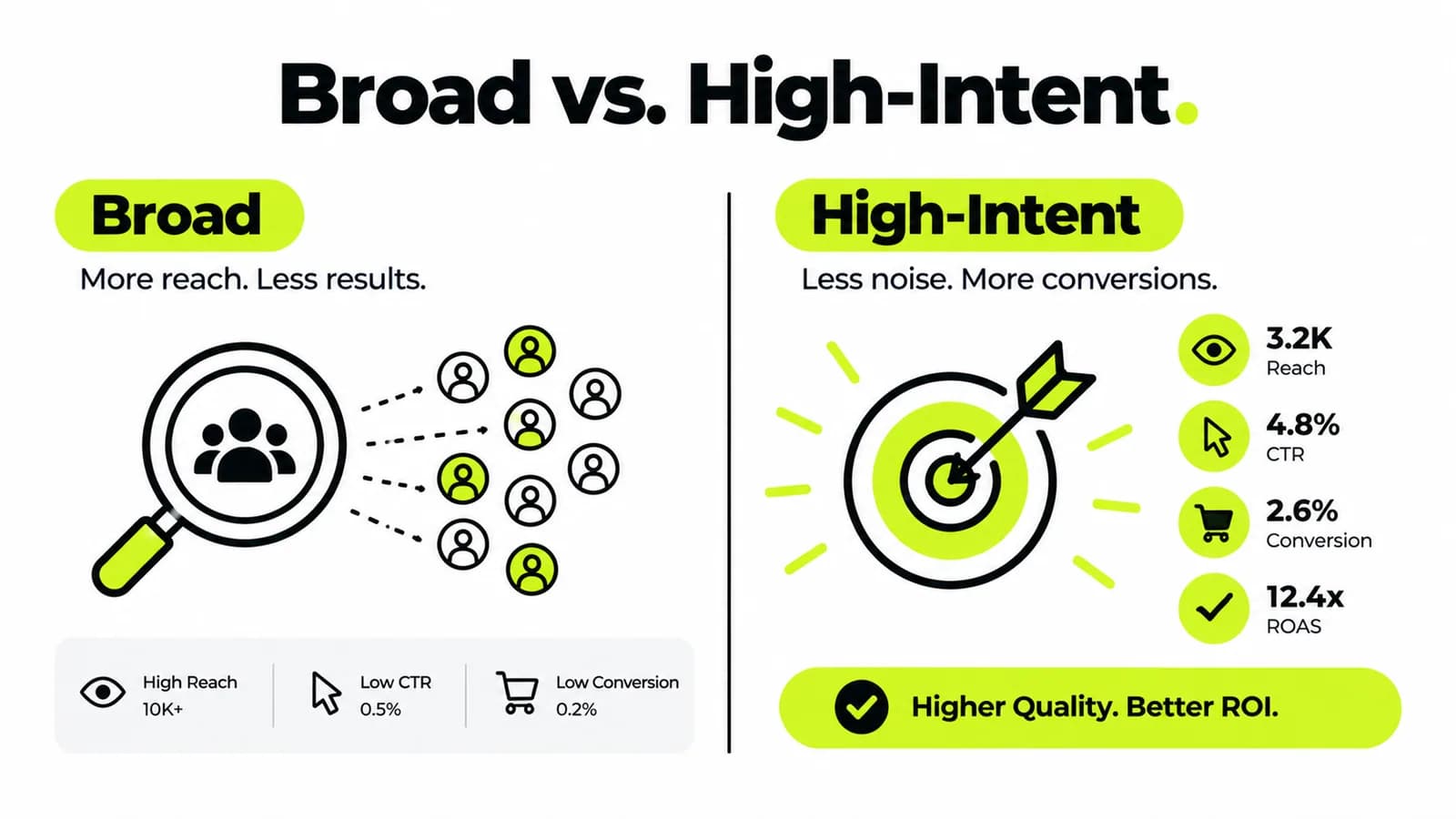
Broad keywords generate useless vanity traffic, while high-intent keywords attract highly qualified users who are actively looking for specific solutions or ready to make a purchase.
When you start your keyword research, it is incredibly easy to get distracted by massive search volumes. Ranking for a term like "shoes" might sound impressive on paper. However, that broad keyword brings in people looking for pictures, definitions, or general browsing, which rarely leads to actual revenue.
High-Intent Keywords are entirely different. A search like "best slip-resistant shoes for restaurant workers" has a fraction of the search volume but carries immense commercial weight. These users have their credit cards out and are actively seeking a specialized solution to a specific pain point. This is exactly where your Niche Market lives.
By focusing on long-tail queries, you bypass the vanity metrics and go straight for the conversion. Long-tail keywords are estimated to drive 55% of all e-commerce conversions, despite accounting for roughly 70% of search volume, and they convert at about 2.5 times the rate of broad head terms. You want to identify the exact questions your ideal customer is asking when they are frustrated, stuck, or ready to buy.
Step-by-Step: How to Uncover Your Niche Using Keyword Data
To uncover your niche, map your core brand expertise, utilize SEO software to find long-tail question queries, and analyze the specific commercial intent behind those searches.
The first step is auditing your own internal expertise to see where you can actually provide unique value. You cannot claim a niche if you do not have the specialized knowledge to back it up. Write down the core categories your product or service naturally solves.
Next, fire up SEO platforms like Ahrefs, Semrush, or Google Keyword Planner. Plug your broad categories into the tool and filter strictly for questions or long-tail phrases containing more than four words. Look for the "how to," "best for," and "alternative to" modifiers that signal a user is deep in the research phase.
Finally, validate the search volume against the keyword difficulty. You are looking for that sweet spot where a specific problem is being searched consistently, but major competitors haven't bothered to write dedicated content for it. Once you find that gap, you have successfully identified your new Target Audience.
Validating Your Content Pillars on Social Media (The Hard Way)
Validating your niche requires aligning your social media content pillars with search data, which traditionally demands hours of manual spreadsheet tracking and metric analysis.
Finding your keyword niche is only half the battle. You now have to translate that SEO data into a compelling social media strategy. This means transforming those high-intent keywords into distinct Content Pillars for platforms like Instagram. However, checking if this new angle actually resonates with humans is notoriously frustrating.
The traditional, manual way involves grueling hours of data entry. Social media managers have to export native analytics, categorize every single post by topic, and calculate the engagement rate by hand. You end up staring at a messy spreadsheet trying to figure out if your "restaurant shoes" content actually outperformed your general footwear posts.
This fragmented workflow drains time and kills creative energy. Marketing directors need extra hands but lack the headcount budget for a full data analysis team. You are left guessing if your new niche strategy is working, simply because you don't have the time to crunch the numbers properly.
Locking In Your Niche with Naise AI
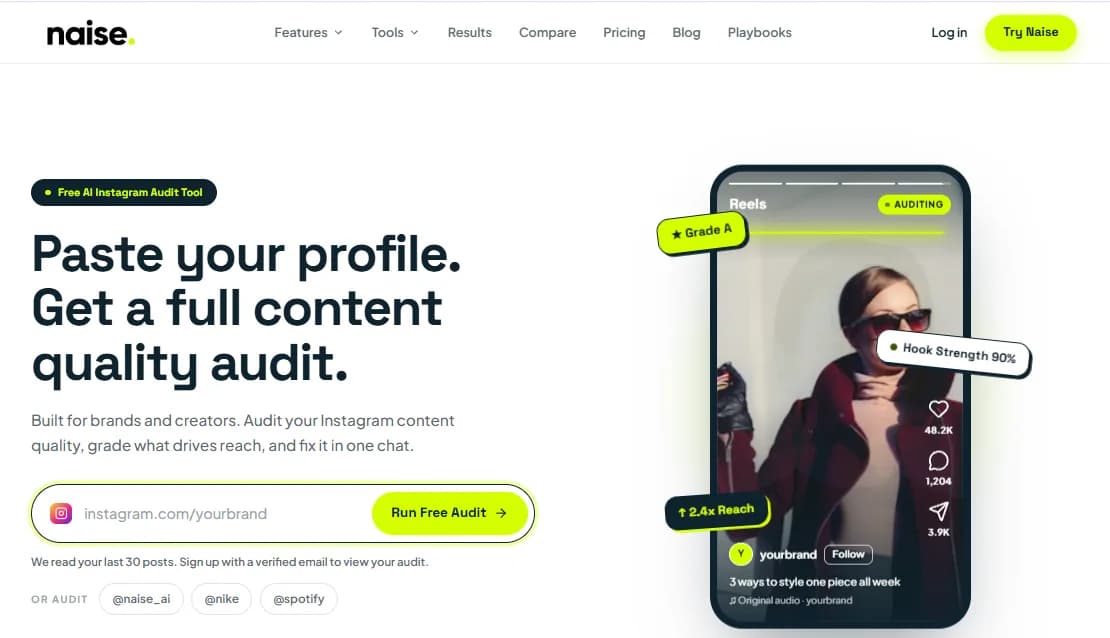
The Naise AI Social Audit instantly diagnoses your Instagram account, grading your engagement metrics, publishing consistency, and competitor benchmarks so you can lock in your niche strategy.
Instead of wrestling with spreadsheets, you can validate your entire niche strategy instantly with Naise AI. The Social Audit feature acts as an automated diagnostic tool that evaluates your Instagram performance in a single click. Simply paste your profile URL, and the AI scans your last 30 posts to grade your execution.
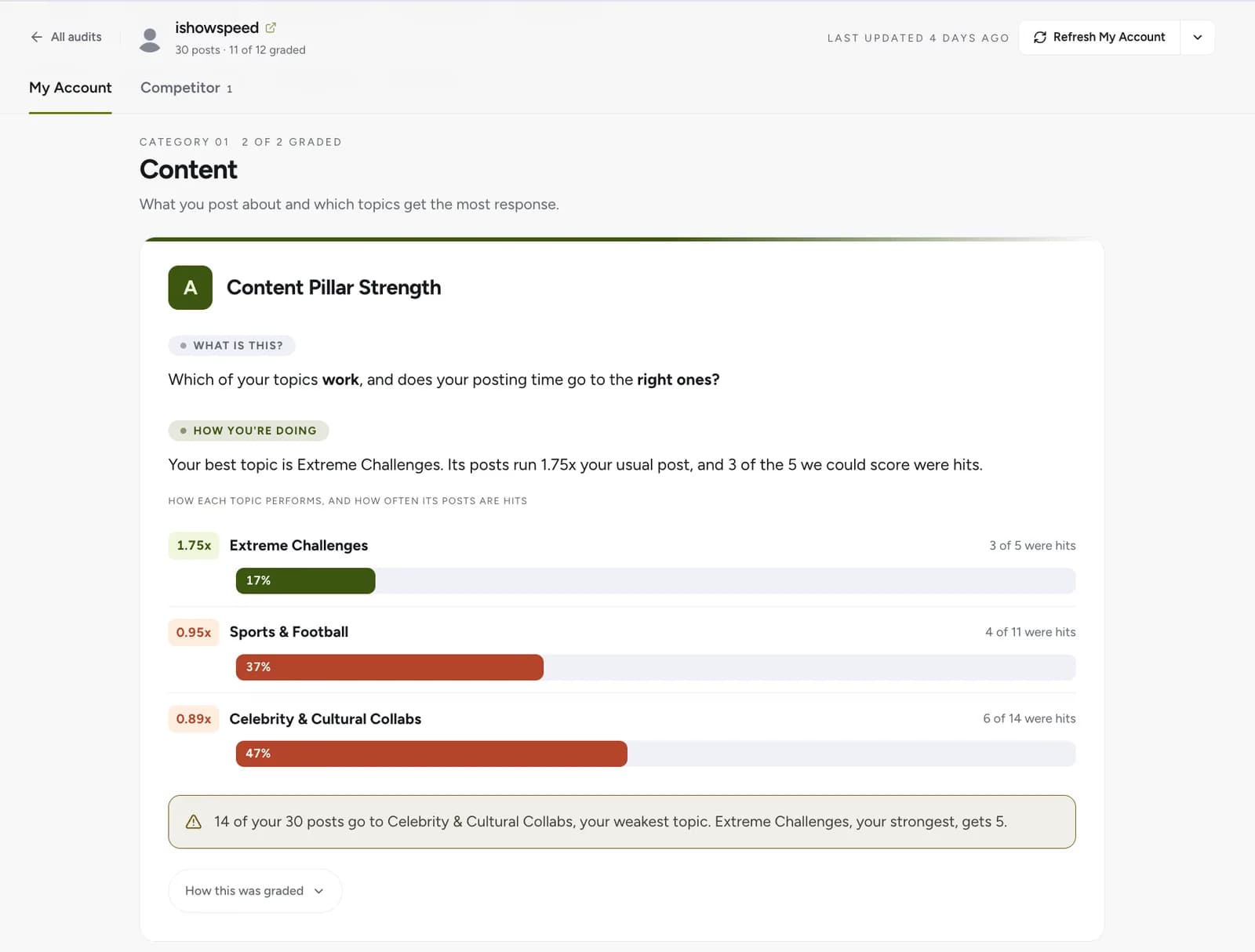
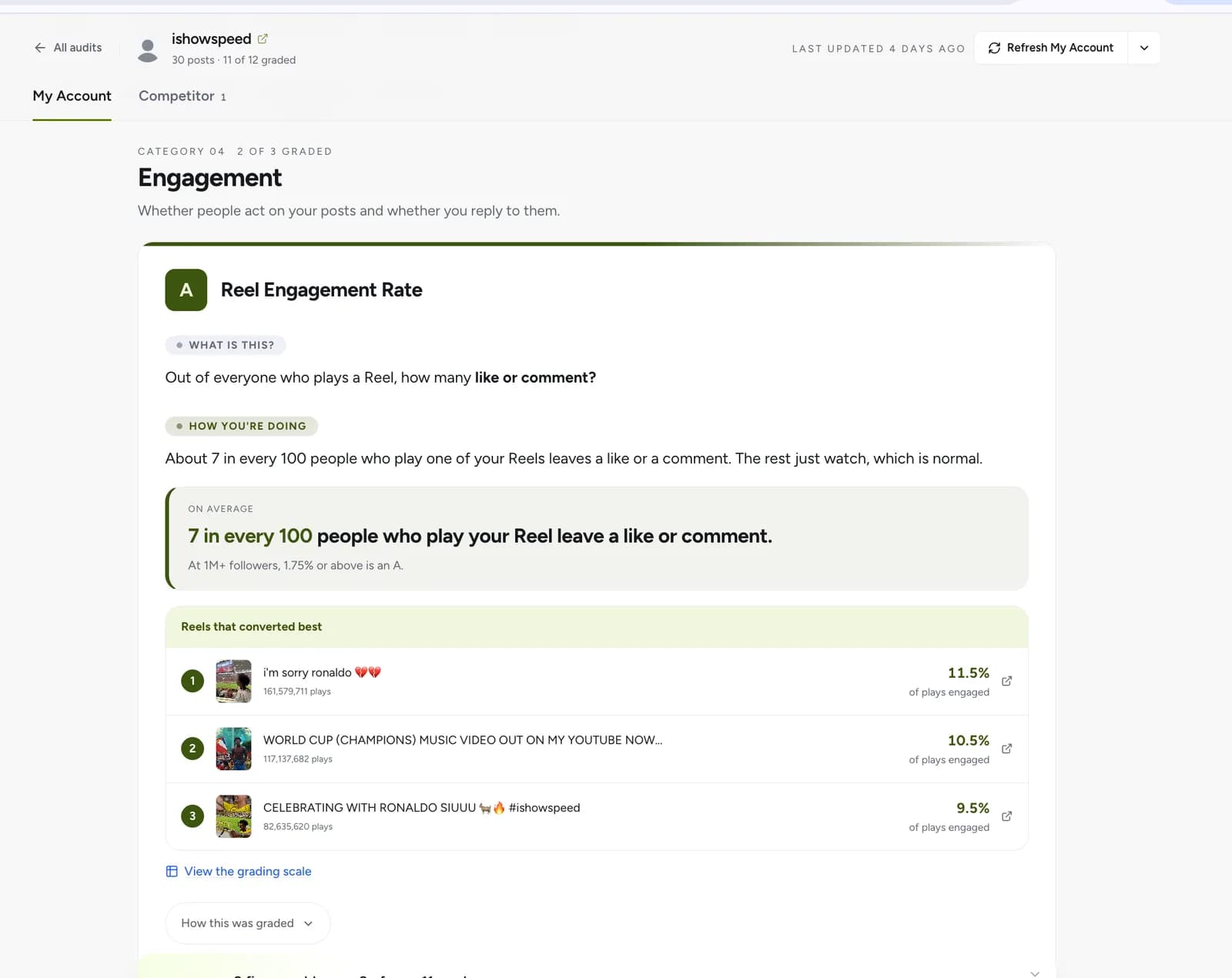
It specifically measures your Content Pillar Strength, showing you visually which topics pull the highest interactions. Beyond just topics, the Engagement Audit calculates true conversion metrics like your Reel Engagement Rate against industry benchmarks. This tells you exactly if your new niche audience is actually biting or just scrolling past.
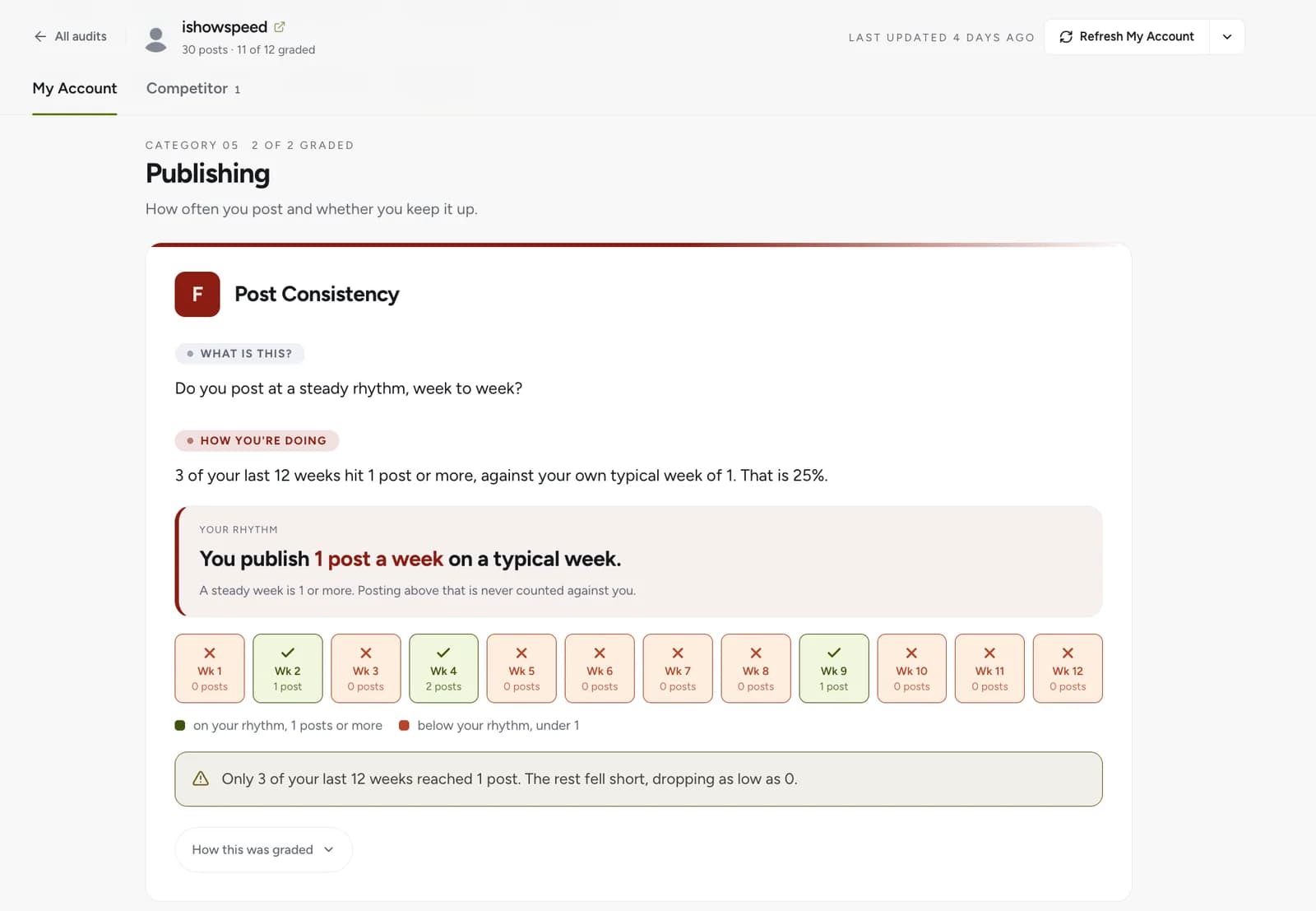
You also cannot dominate a new niche if you constantly ghost your followers. The Publishing Audit reviews your Post Consistency over a 12-week period to ensure you maintain a reliable rhythm. It instantly flags if your upload cadence is silently killing your organic reach and audience trust.
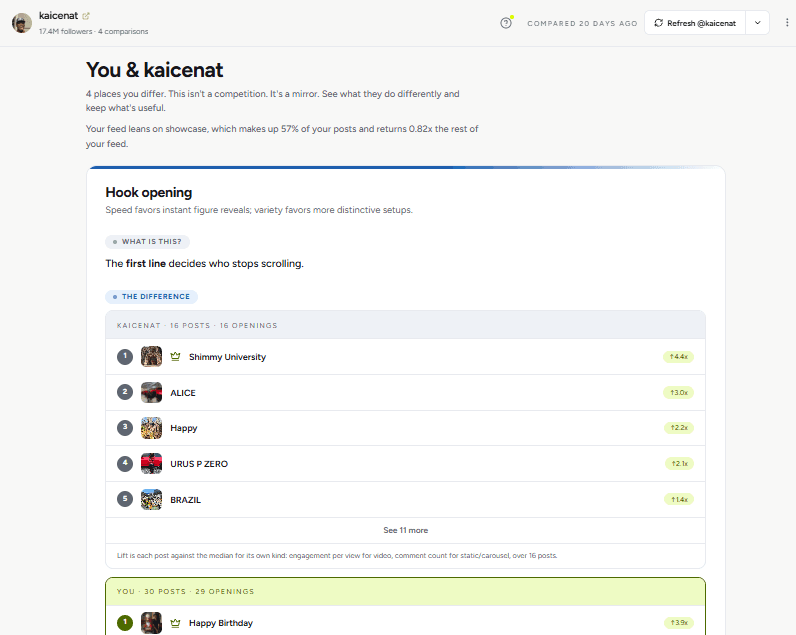
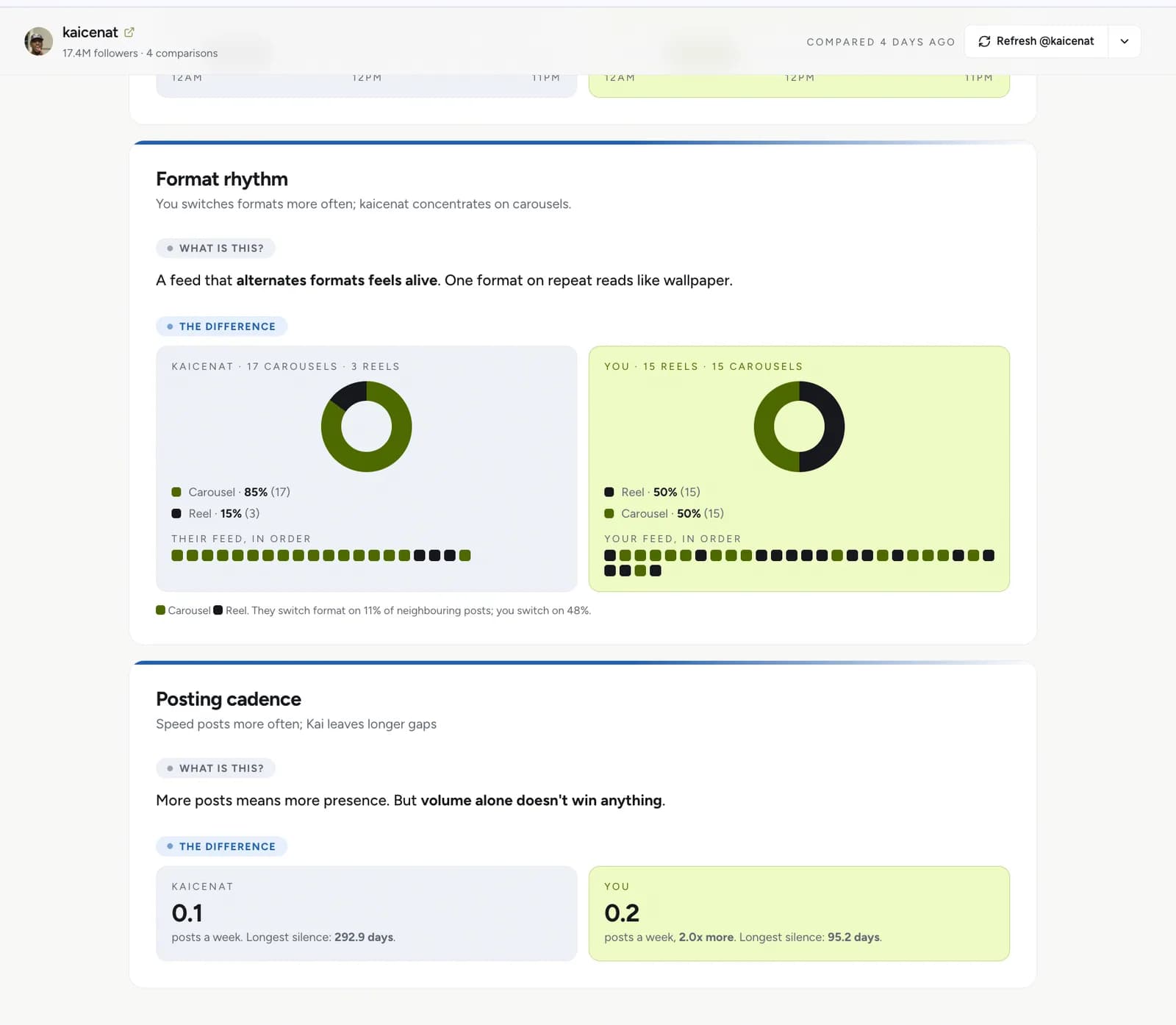
Want to steal market share from legacy brands? The Competitor Benchmarking tool lets you run a head-to-head comparison against rival accounts to uncover their exact strategy. You can instantly analyze their Hook Opening effectiveness and Format Rhythm to find the vulnerabilities where your brand can win.
When you spot a winning niche gap in the audit, you don't have to jump to another tool to capitalize on it. By clicking "Build this strategy in chat," your insights are instantly transferred into your Dashboard. From there, your Social Media Agent takes over the heavy lifting, autonomously drafting captions and generating visual assets using pre-built Playbooks.
Conclusion
Stop treating your marketing strategy like a guessing game. The rising search trends prove that securing a hyper-specific niche is the key to cutting through the noise and lowering your acquisition costs. Let the keyword data guide your direction, and let intelligent tools validate your execution.
Ditch the fragmented marketing stack and the manual spreadsheets. It is time to eliminate prompt fatigue and focus purely on strategy. Audit your brand's social presence right now, discover your strongest content pillars, and let your AI teammate handle the rest.
FAQs
What exactly is a niche market?
A niche market is a highly specific, well-defined segment of a larger market. It focuses on a unique target audience with distinct needs, preferences, or identity, allowing brands to tailor their messaging and products precisely.
Why is finding a niche market important for SEO?
Focusing on a niche market allows you to target high-intent, long-tail keywords with lower competition. This makes it significantly easier to rank higher in search engine results and attract users who are ready to convert.
How do I know if my niche is profitable?
You can validate a niche's profitability by analyzing keyword search volume, assessing the cost-per-click (CPC) in paid advertising, and ensuring there are competitors actively spending money in that space.
Can an AI tool help me find my social media niche?
Yes. Tools like the Naise AI Social Audit analyze your historical content performance, grade your engagement metrics, and visually map out your strongest content pillars so you know exactly which niche topics your audience loves.