Everyone is endlessly talking about conversational AI, but Meta just quietly launched the real future. They recently introduced Muse, an autonomous AI agent that actually executes tasks for you instead of just generating text. This marks the official start of the Agentic Era, moving us from AI that talks to AI that does. As consumer tech focuses on booking flights and buying groceries, this exact same agentic framework is softly reshaping how B2B professionals handle complex marketing execution.
Moving Past the ChatGPT Phase of the Internet
The AI industry is rapidly pivoting from conversational chatbots that only answer questions to autonomous agents that execute multi-step workflows across your connected applications.
Less than two weeks after agreeing to a massive multistate settlement regarding consumer harms, Meta announced its biggest bet on consumer AI to date. It is not another generic chatbot. It is not a slightly faster text generator. Meet Muse, a new personal AI agent explicitly designed to take action on your behalf. This signals a monumental shift in how we interact with technology on a daily basis.
We are officially moving past the ChatGPT phase of the internet. AI that simply acts as a sounding board, a brainstorming partner, or a digital companion is quickly becoming baseline table stakes. The new standard for AI is tangible utility. You no longer want an AI to just tell you the ingredients for a dinner recipe. You want it to turn that recipe into a localized grocery list, connect to a delivery service, and buy the items for you.
This transition defines the Agentic Era. It is the fundamental difference between asking software for instructions and actively delegating a task to a digital worker.
By 2026, purpose-built AI agent software spending is projected to reach $206.5B—up 139% from $86.4B in 2025—as investment and growth shift decisively from chatbots and text-generation models toward agentic, workflow-executing AI.
If a service has a public API, these new agents can connect to it. If there is no API available, advanced agents can even navigate the browser directly to complete the job.
Supercharging the Habits We Already Have
AI agents achieve mass adoption by integrating directly into the platforms billions of people already use daily, rather than forcing users to download standalone applications.
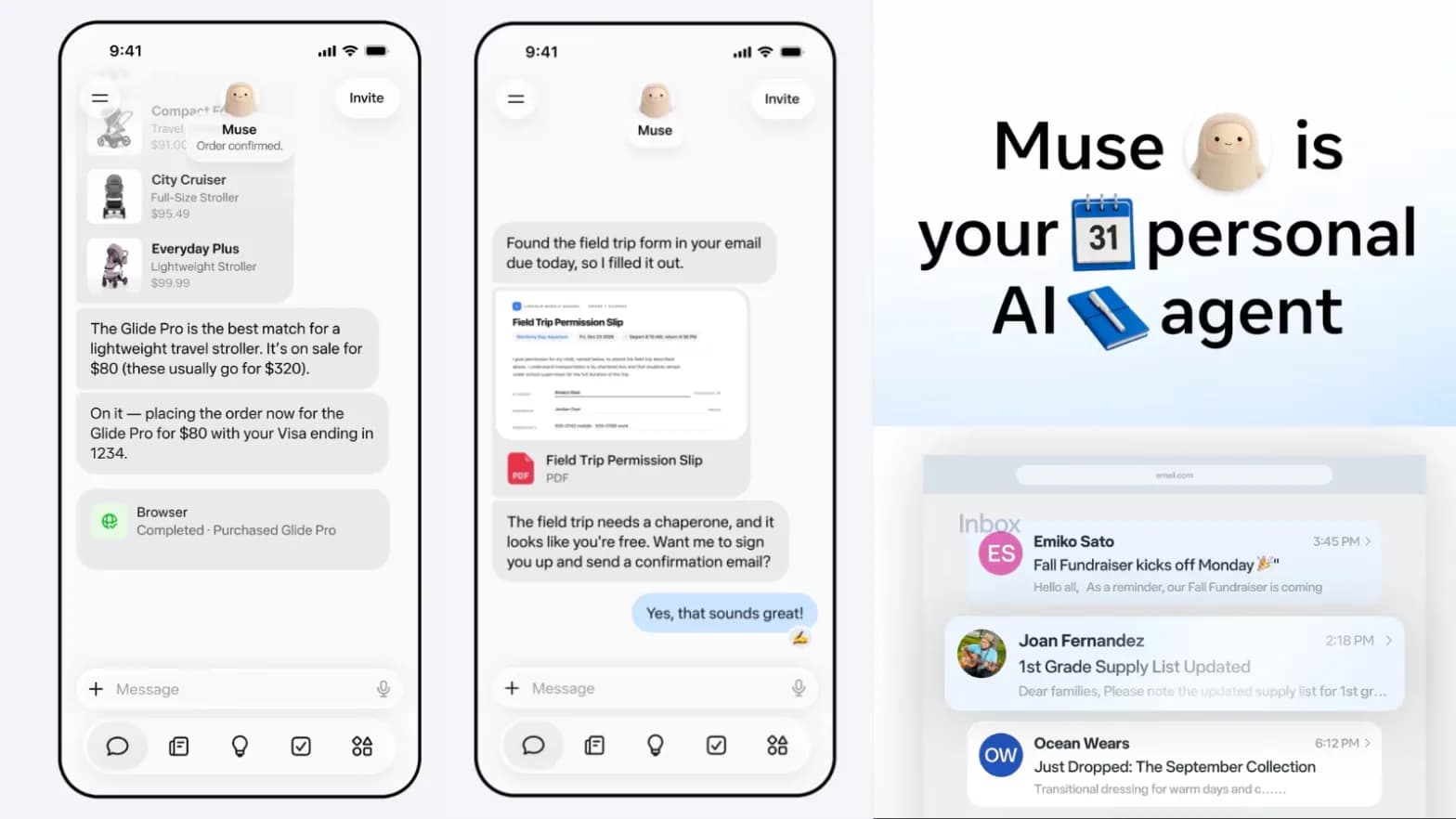
To be genuinely useful, an AI agent needs deep access to your digital life. Muse works by connecting directly to the apps and services you already rely on. It taps into your email inbox, your digital calendar, and your payment processors. You simply tell it what you want to achieve, and the AI executes the multi-step process entirely in the background.
The distribution strategy here is brilliant and massive in scale. Meta is deeply integrating this agentic capability into platforms that billions of people already use, specifically WhatsApp, Instagram, and Messenger. They are not trying to force consumers to build a brand new habit. They are not asking you to download a clunky standalone app. They are simply supercharging the communication channels you already open fifty times a day.
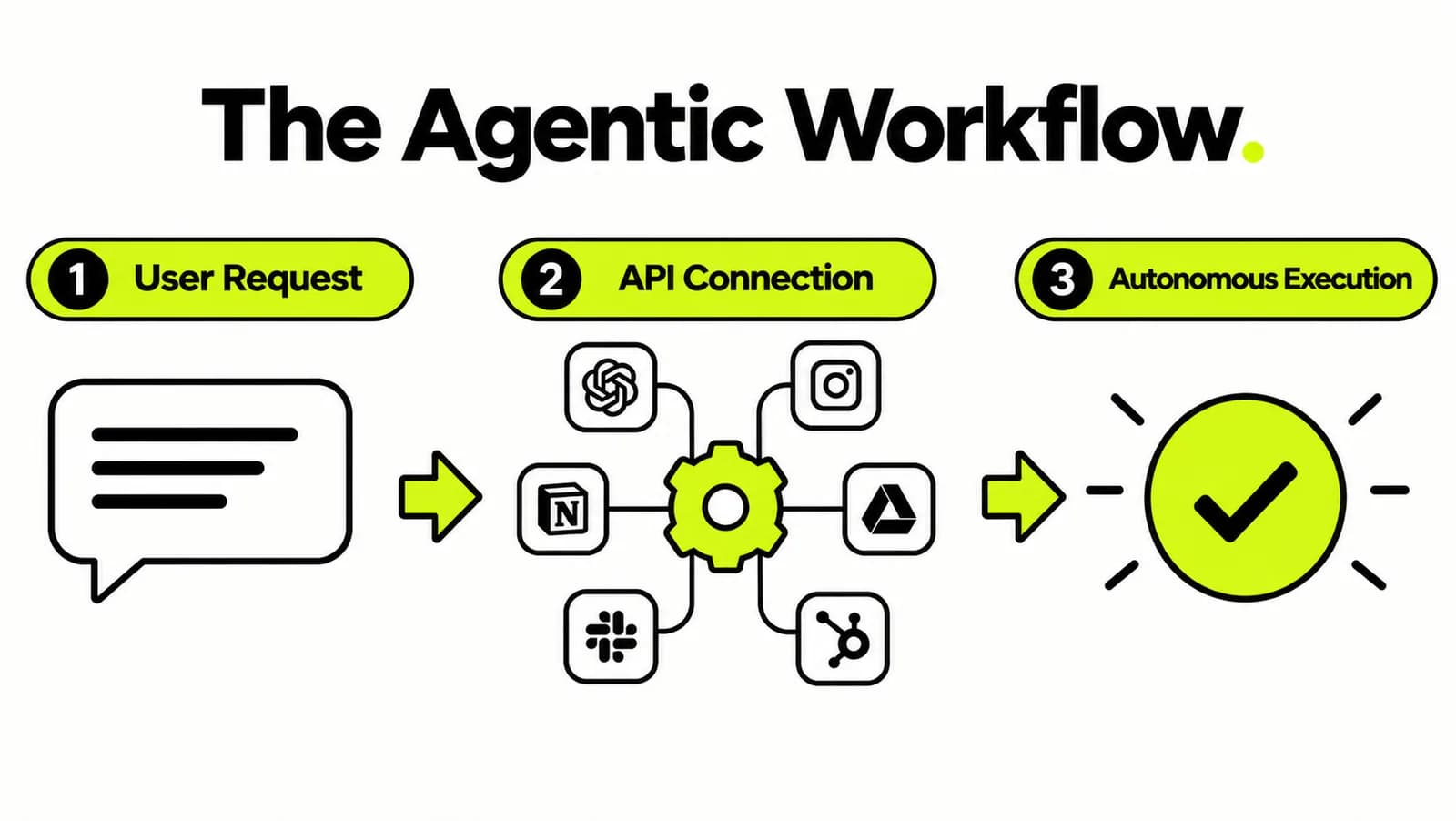
The practical use cases are vast. The agent can seamlessly book travel arrangements, fill out tedious online forms, create detailed itineraries, and send party invitations. It can even make direct online purchases by leveraging tools like Link by Stripe for frictionless checkout. You provide the initial command, and the agent handles the frustrating digital logistics.
The Massive Catch: Privacy and the Trust Trade-Off
To gain the extreme convenience of autonomous AI, users must grant these systems deep access to sensitive personal data, creating a significant barrier of consumer trust.
There is an unavoidable catch to all this extreme convenience. If you want an AI to effectively run your daily life, you have to hand over the keys to your most private data. Users must trust these platforms with far more personal, financial, and behavioral information than traditional social media ever required. Given the historical track record of major tech companies, this presents a massive psychological hurdle for the average consumer.
Are people actually ready to trust a social media giant with their credit cards, their private inbox, and their daily schedule? Meta has a documented history of privacy missteps, from the lingering shadow of the Cambridge Analytica scandal to the recent $18 billion multistate settlement. Asking users to now willingly connect their bank accounts and health apps to an AI agent requires a monumental leap of faith.
Meta is actively trying to ease these very valid fears. Under the hood, they claim that Muse runs in an isolated, dedicated system called a Secure VM. This virtual machine allegedly keeps the AI completely separated from password managers and prevents it from sharing private conversational data with their lucrative advertising networks.
They have even launched extensive bug bounty programs to prove their commitment to infrastructure security. Despite the technical documentation, consumer trust remains the ultimate roadblock.
From Personal Assistants to Professional Operators
The agentic framework is rapidly crossing over from consumer lifestyle apps into B2B software, replacing manual professional workflows with autonomous digital operators.
The concept of delegating tasks is not isolated to booking flights or ordering takeout. This agentic philosophy is fundamentally reshaping professional environments as well. If Muse serves as the personal assistant that manages your daily personal life, the exact same framework is now being applied to complex professional work.
Nowhere is this shift more desperately needed than in the digital marketing industry. Modern marketing teams are drowning in manual tasks and disconnected platforms. The current software stack is heavily fragmented. You spend hours repeating brand context to generic AI chat tools, refining robotic outputs, and then manually copying and pasting that content into separate schedulers and analytics platforms.
This constant back-and-forth is known as prompt fatigue. It drains creative energy and creates a massive operational bottleneck for lean teams. You are essentially doing the digital grunt work that a computer should be doing for you. The future of software is not an interface you constantly talk to and micromanage. It is an operator you confidently delegate to.
Delegating the Marketing Grind
Professional AI agents use persistent memory and pre-built playbooks to autonomously execute marketing campaigns, allowing humans to focus entirely on high-level strategy.
Think about the friction you experience every time you launch a new campaign. The agentic solution to this friction is exactly what is driving the next generation of marketing software. It functions on the exact same premise as a personal agent, but it is explicitly designed for your professional workflows.
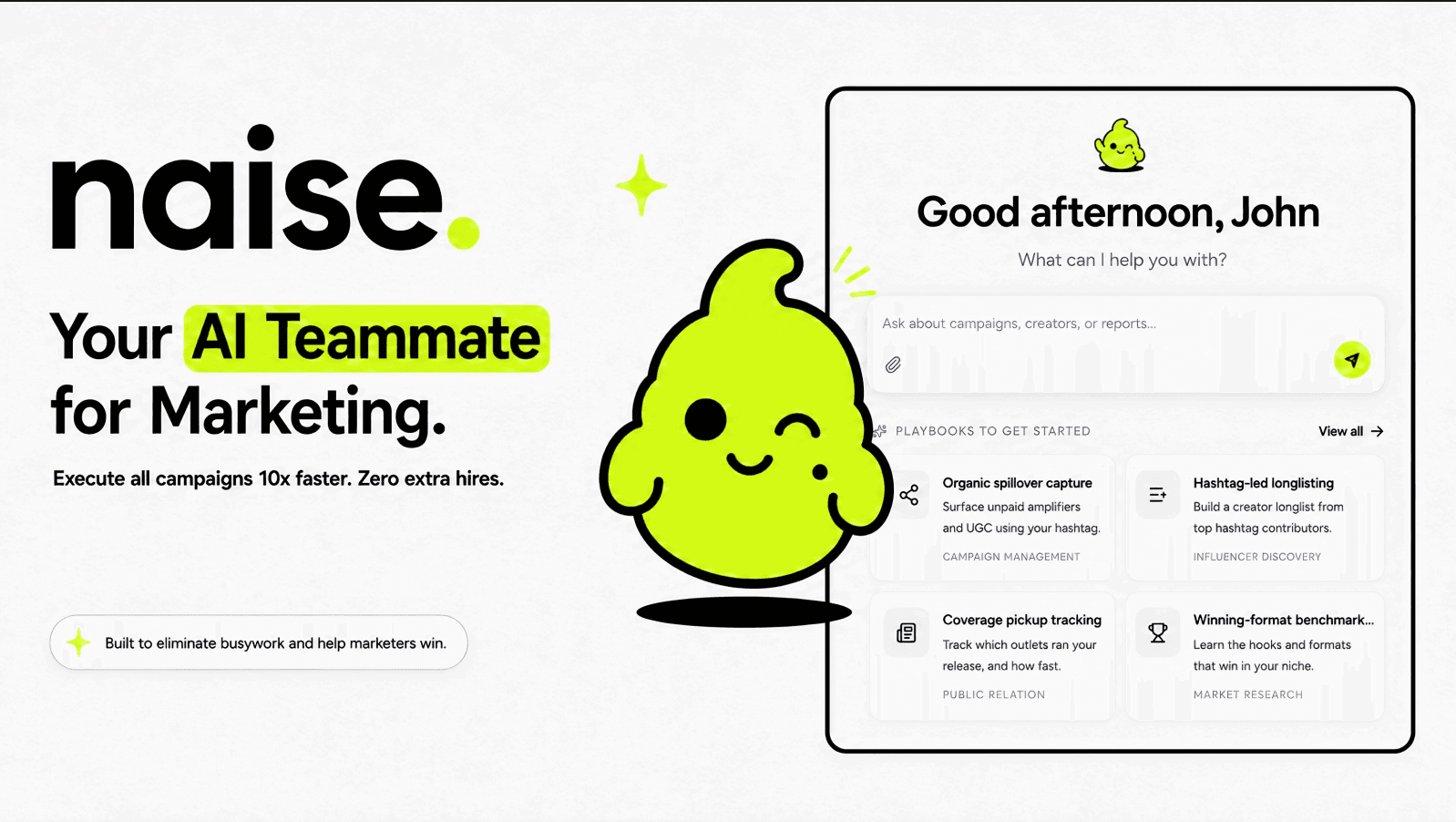
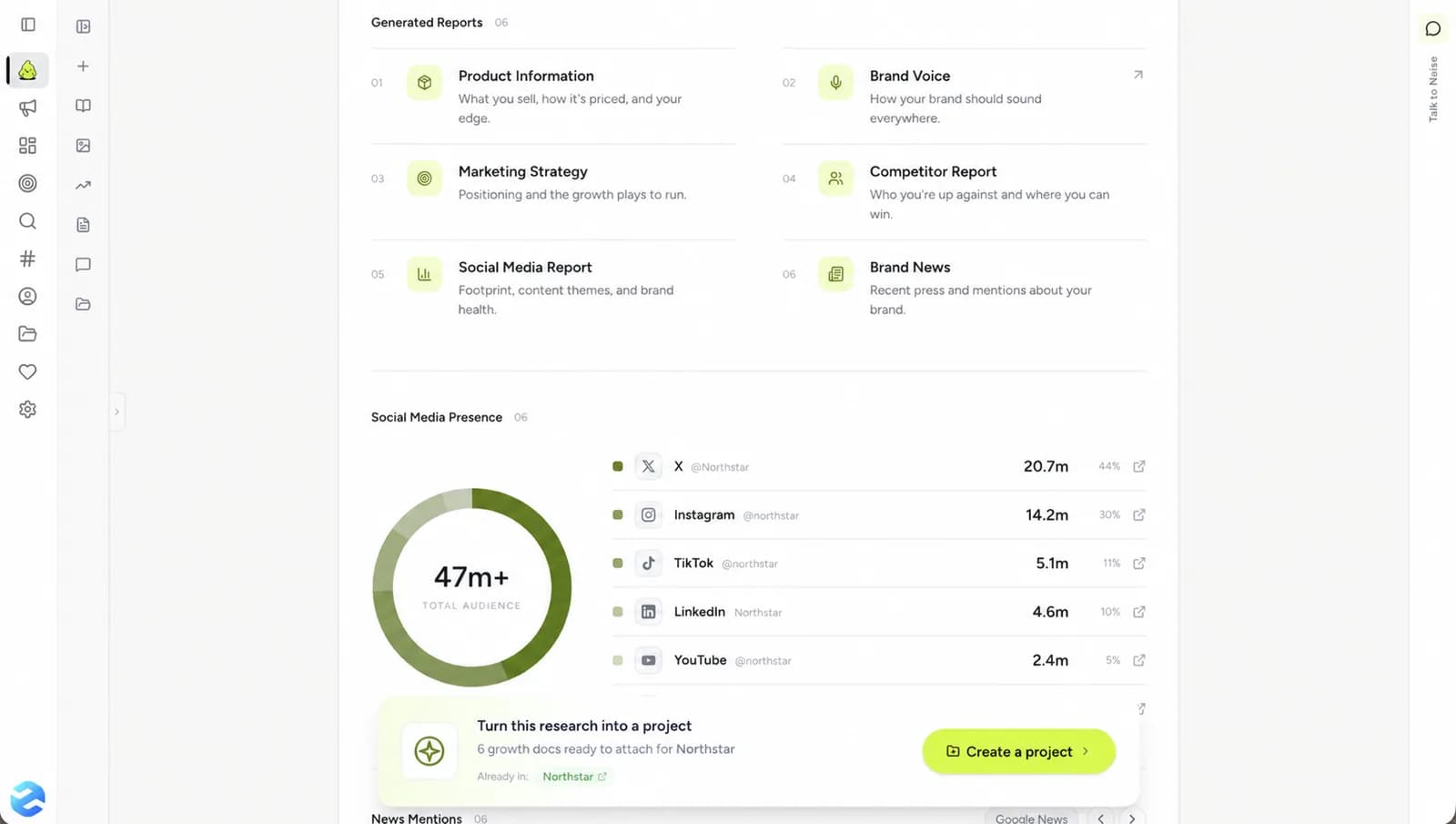
This is the exact philosophy behind platforms like Naise AI. Instead of acting as a generic text generator that forgets who you are every time you open a new tab, it operates as a specialized teammate. Through a central Dashboard, it uses structured Projects to permanently remember your specific brand voice, target audience, and marketing guidelines. It acts as the persistent memory bank, much like how a personal agent remembers your grocery preferences.
You no longer have to stare at a blank chat box and write complex prompts. You simply select from expert Playbooks—pre-configured strategies built on proven marketing frameworks. From there, specialized Agents handle the actual execution. The system can autonomously generate on-brand visuals, draft copy, and schedule posts directly to your connected social channels.
The entire goal is smooth, secure delegation. You maintain the strategic oversight, the creative direction, and the final approval. The AI handles the repetitive, multi-step execution in the background. As the internet moves firmly into the Agentic Era, the days of manual marketing execution are coming to a rapid close.
The transition from chatbots to autonomous agents is the most significant technological leap since the smartphone. Whether it is managing your personal calendar or running your social media campaigns, the future belongs to those who learn how to delegate to AI effectively. Stop managing software, and start deploying operators.
FAQs
What is an AI Agent?
An AI agent is an autonomous software system that can execute multi-step tasks to achieve a specific goal. Unlike basic chatbots that only generate text in response to a prompt, AI agents can connect to external apps, access APIs, and take independent actions like booking appointments, making purchases, or publishing marketing content.
How is the Agentic Era different from the ChatGPT era?
The ChatGPT era was defined by conversational AI used primarily for brainstorming, answering questions, and drafting text. The Agentic Era is defined by action and delegation. AI systems are moving from passive advisors to active digital operators that execute full, complex workflows on behalf of the user.
Are AI agents secure to use?
Security varies heavily by platform and provider. Consumer agents require deep access to personal data, which raises valid privacy concerns depending on the tech company's history. B2B agents typically use isolated projects and strict data compliance standards to ensure brand safety and protect proprietary professional strategies.
How do AI agents help with marketing?
Marketing AI agents eliminate manual grunt work and prompt fatigue. They store your brand guidelines in persistent memory and autonomously execute repetitive tasks like social media scheduling, influencer vetting, and content formatting. This allows human marketing teams to focus entirely on strategy rather than daily operational execution.