On October 1, 2026, YouTube officially updated its Shorts recommendation systems to prioritize original content and severely cut the reach of lazy re-uploads. Channels built entirely on mass clipping with zero added value are experiencing massive drops in organic distribution. To survive, marketers and agencies must pivot from volume-first reposting to crafting premium pages with unique edits, strong storytelling, and genuine perspective.
What Actually Changed with the YouTube Clipping Algorithm?
On October 1, 2026, YouTube updated its Shorts recommendation algorithm to actively reduce the feed reach of re-uploaded clips that lack significant original commentary, storytelling, or unique editing.
You logged into YouTube Studio this morning, and the numbers look completely grim. The sudden drop in Organic Distribution isn't a glitch, and it is not a shadowban. YouTube is fundamentally changing how it rewards short-form video content on its platform.
The era of ripping a podcast, slapping on some generic auto-captions, and praying for virality is officially over. YouTube announced that its recommendation engine will now actively hunt for and suppress content that offers zero original value. If you are just moving pixels from one channel to another, the platform will stop serving your videos to new viewers.
This is a massive structural shift away from the copy-paste meta. The algorithm now deeply analyzes the difference between a raw repost and a highly curated, uniquely edited narrative. The platform wants creators and brands to treat the Shorts Feed as a destination for original thought, not a dumping ground for recycled media.
Recent late-2026 analyses estimate that recycled or lightly edited short-form content can lose 40–80% of its organic reach versus original, platform-native clips; YouTube has also confirmed reduced Shorts distribution for channels that primarily re-upload other creators’ videos without adding meaningful value.
The Channels That Lose Under the New Distribution Rules
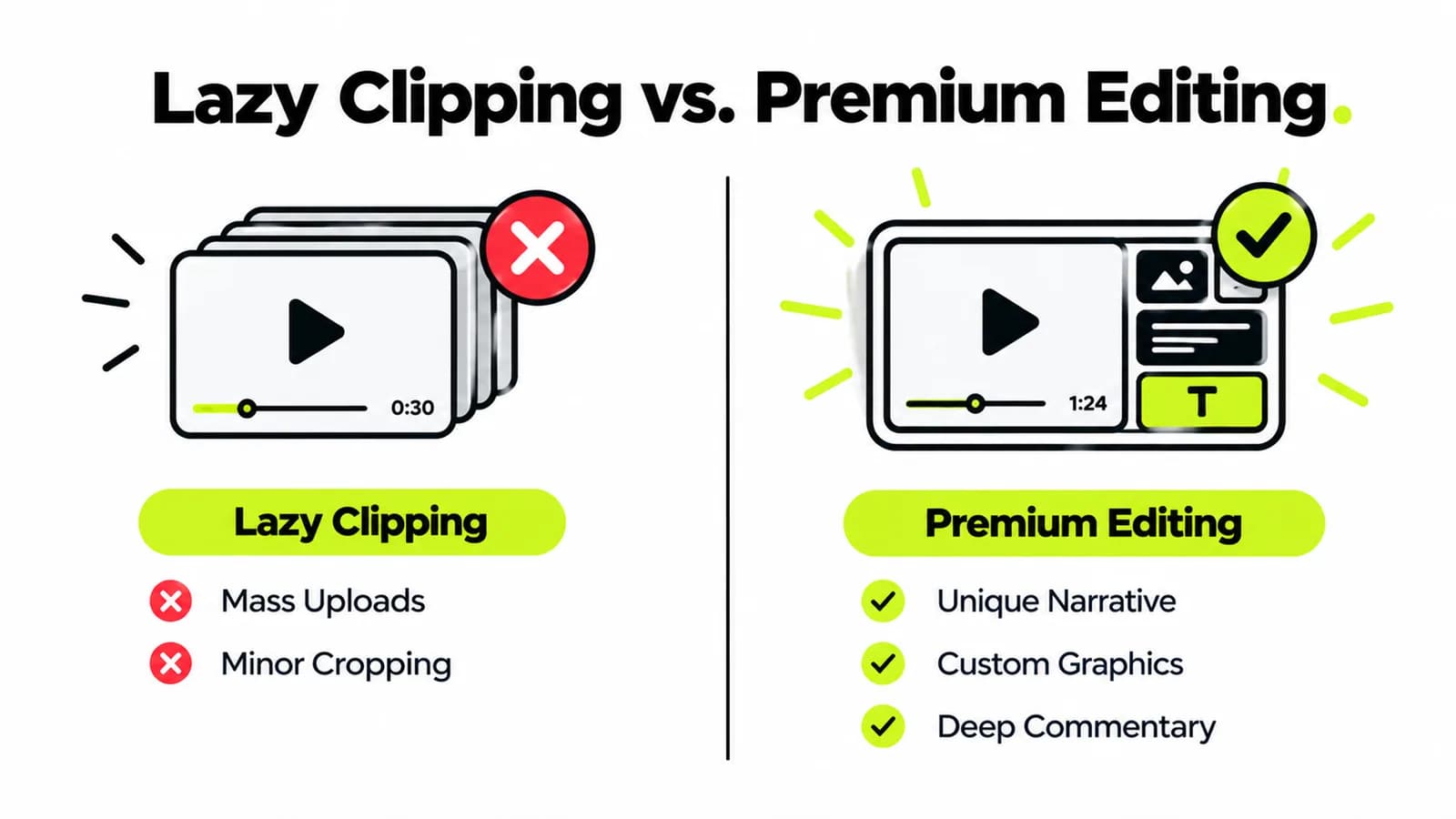
The update severely punishes mass clipping accounts, low-effort reposters, and volume-first content agencies that rely on minor technical edits rather than true narrative value.
The biggest losers in this algorithm shift are the mass clipping channels and volume-first Content Marketing Agencies. For the past two years, an entire industry was built on the idea that uploading fifty loosely edited clips a day would eventually crack the algorithm. That brute-force approach is now actively punished by the system.
Low-quality reposting with only minor technical edits simply will not cut it anymore. Slapping a template filter, adding background music, or cropping a horizontal video into vertical format does not count as originality. If your workflow relies on bulk automation without editorial oversight, your Audience Retention graphs are about to flatline.
This change also hurts brands that outsourced their social presence to cheap, volume-obsessed production houses. Quantity without quality is now a dead strategy. If your primary growth tactic was flooding the internet with identical podcast outtakes, you need to completely rethink your Social Media Strategy before your channel is entirely suppressed.
Who Wins the New Shorts Distribution Game?
Content creators and agencies who prioritize premium page building, original commentary, and high-effort editing are now rewarded with significantly higher organic reach.
This update is incredible news if you actually care about the craft of digital storytelling. Clippers who add a unique take or inject their own brand personality into existing footage are winning big. Originality has officially become your strongest competitive advantage in the Creator Economy.
Agencies that focus on building premium pages rather than spam accounts will see their value skyrocket. These teams treat every single video as an original piece of art. They spend time inside tools like Adobe Premiere or CapCut to craft a specific narrative arc.
When you combine a distinct perspective with high-quality editing, the algorithm recognizes the effort. The new formula for success is simple: Quality + Quantity > Quantity alone. You can still use other people's footage, but you must transform it into something entirely new to earn that coveted spot in the Shorts Feed.
How to Adapt Your Clipping Strategy Fast
To adapt, conduct a rapid audit of your recent Shorts, eliminate bulk template processing, and inject distinct brand perspective or visual storytelling into every single upload.
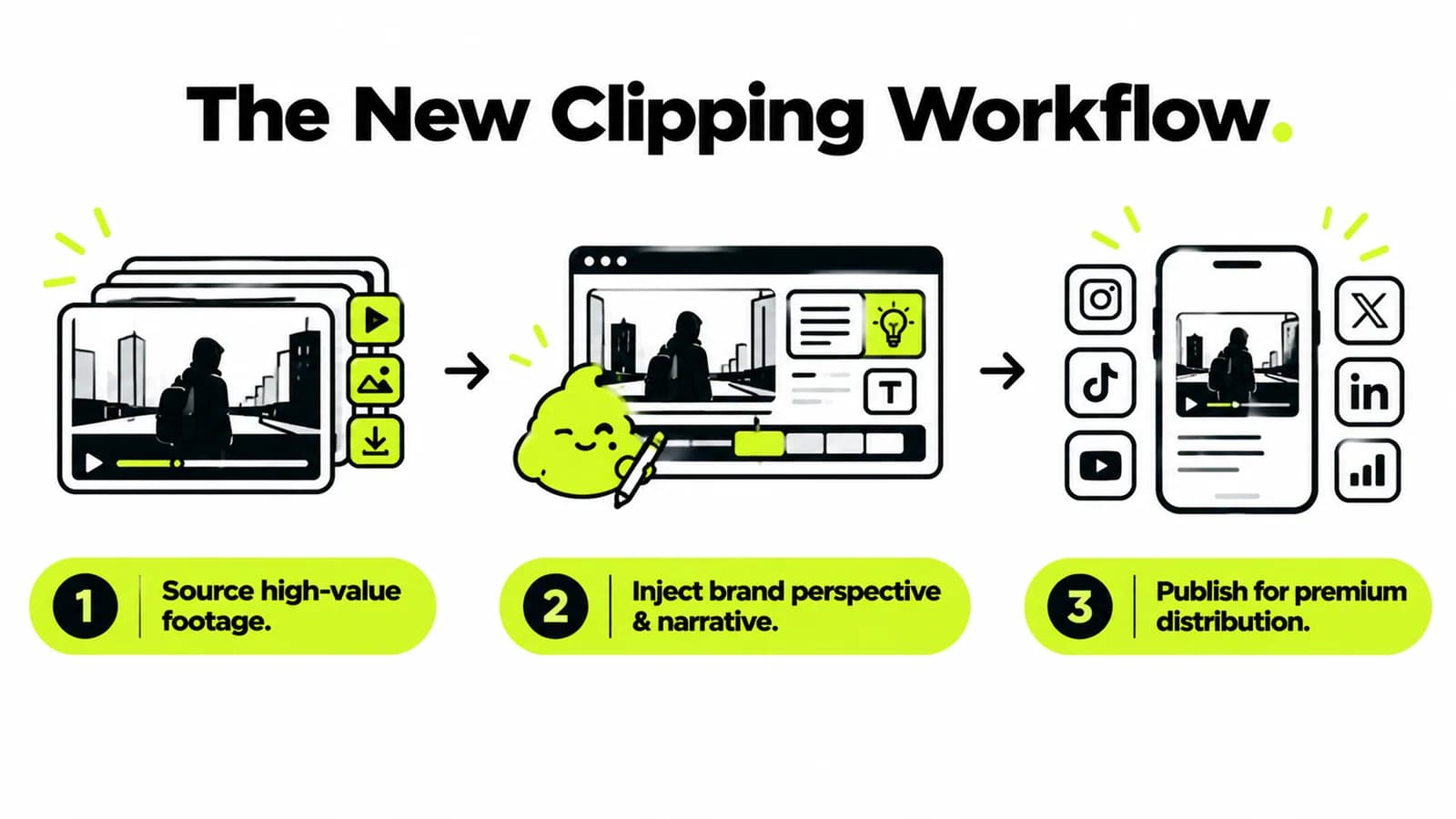
First, you need to stop your automated mass publishing workflows immediately. Pausing your current upload calendar in Google Calendar or Notion gives you time to assess the damage. Run a quick audit on your last thirty videos to see which ones actually feature unique editorial choices.
Next, start treating curation as a highly creative act. If you want to clip a trending interview, you must add your own original commentary or visual overlays that provide fresh context. You have to give the viewer a concrete reason to watch your version instead of the original upload.
Finally, lean heavily into narrative editing rather than technical cropping. Build out a dedicated Brand Guideline for your clips that dictates your specific visual style, humor, and pacing. When you treat your clipping channel like a premium media publication, the algorithm will naturally reward your efforts with sustained growth.
The October 2026 algorithm update is a massive wake-up call for the entire digital marketing industry. YouTube is sending a very clear message that low-effort, copy-paste content will no longer be tolerated. By prioritizing originality, unique editing, and strong storytelling, you can outsmart the algorithm and build an audience that actually cares about your brand. Keep your quality high, add genuine value, and watch your reach climb back up.
FAQs
Does the new algorithm change affect my YouTube channel monetization?
While this update primarily targets feed reach and distribution, it aligns closely with YouTube's existing Reused Content policy. If your channel only publishes unedited mass clips, you will lose reach and you also risk getting demonetized under the partner program rules.
What exactly counts as a "unique edit" on YouTube Shorts?
A unique edit involves transforming the original footage into a new experience. This includes adding original commentary, deep narrative storytelling, dynamic visual graphics, or reacting to the content in a way that provides fresh, educational value to the viewer.
Will I be penalized for clipping my own long-form videos?
Generally, clipping your own long-form content is safe because you own the original IP and narrative. However, simply cutting a 10-second silent snippet without context might still perform poorly; it is always best to optimize your own clips specifically for the fast-paced vertical format.
Can my channel recover if I was hit by the clipping update?
Yes, channel reach can recover over time. If you completely stop uploading low-effort mass clips and pivot your strategy to highly original, value-driven content, the recommendation system will eventually re-evaluate your channel's standing.