The Shift From Copilots To Autonomous Operators
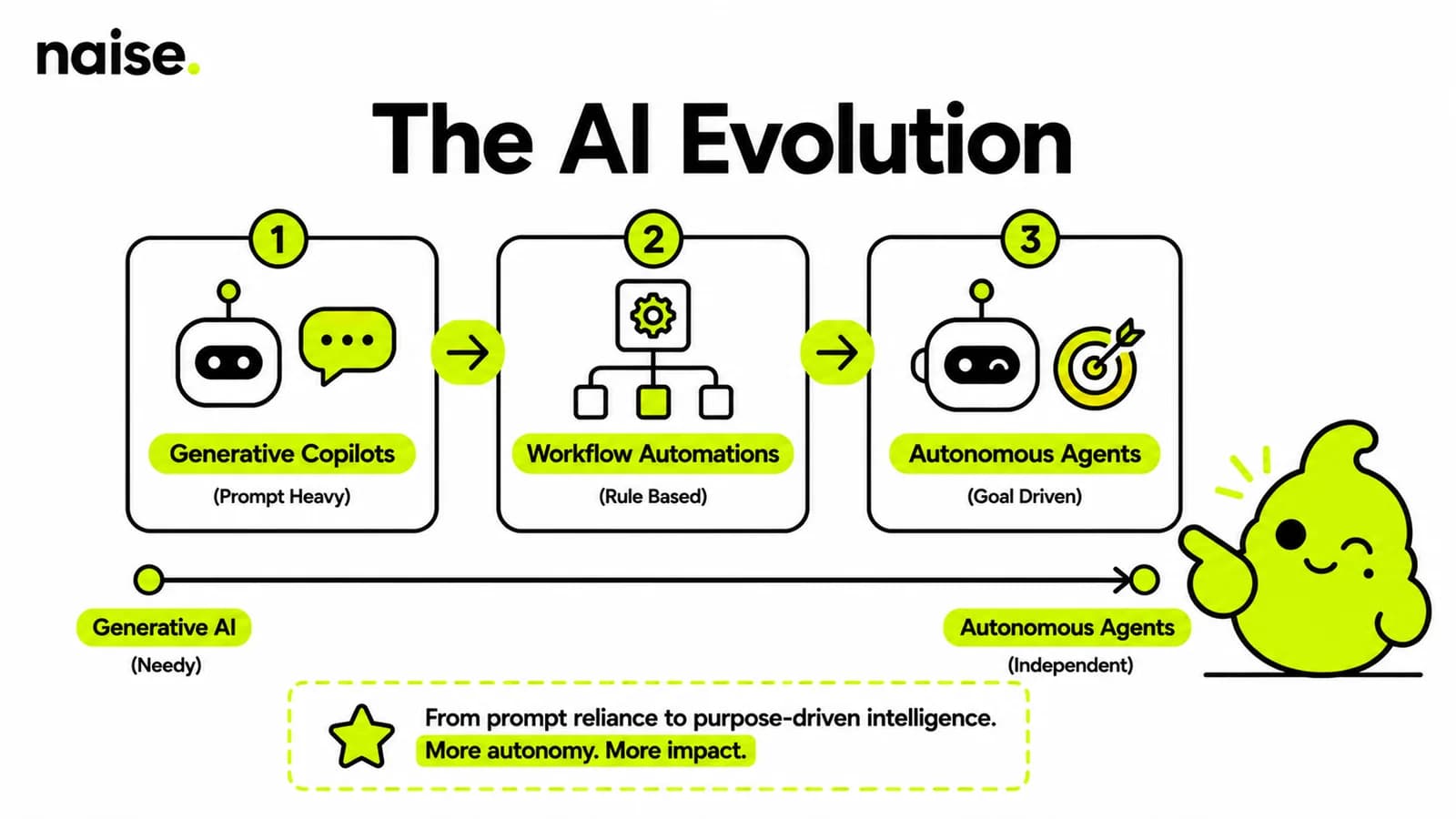
The future of marketing tech moves away from needy assistants requiring constant supervision and toward independent operators that execute full campaigns autonomously.
We are officially leaving the era of the glorified digital intern. Right now, most marketers spend hours feeding context into basic AI tools just to get a mediocre caption. You end up spending more time refining prompts than you would have spent writing the post yourself. This creates a massive bottleneck for lean teams trying to scale their output.
By next year, AI marketing management tools 2026 will operate entirely differently. Instead of waiting for you to dictate every single step, these systems will anticipate your needs and run the plays independently. You give them a goal, and they handle the tedious middle steps. This means no more staring at a blinking cursor or wondering how to structure a prompt.
Why The Fragmented Stack is Burning Out Your Team
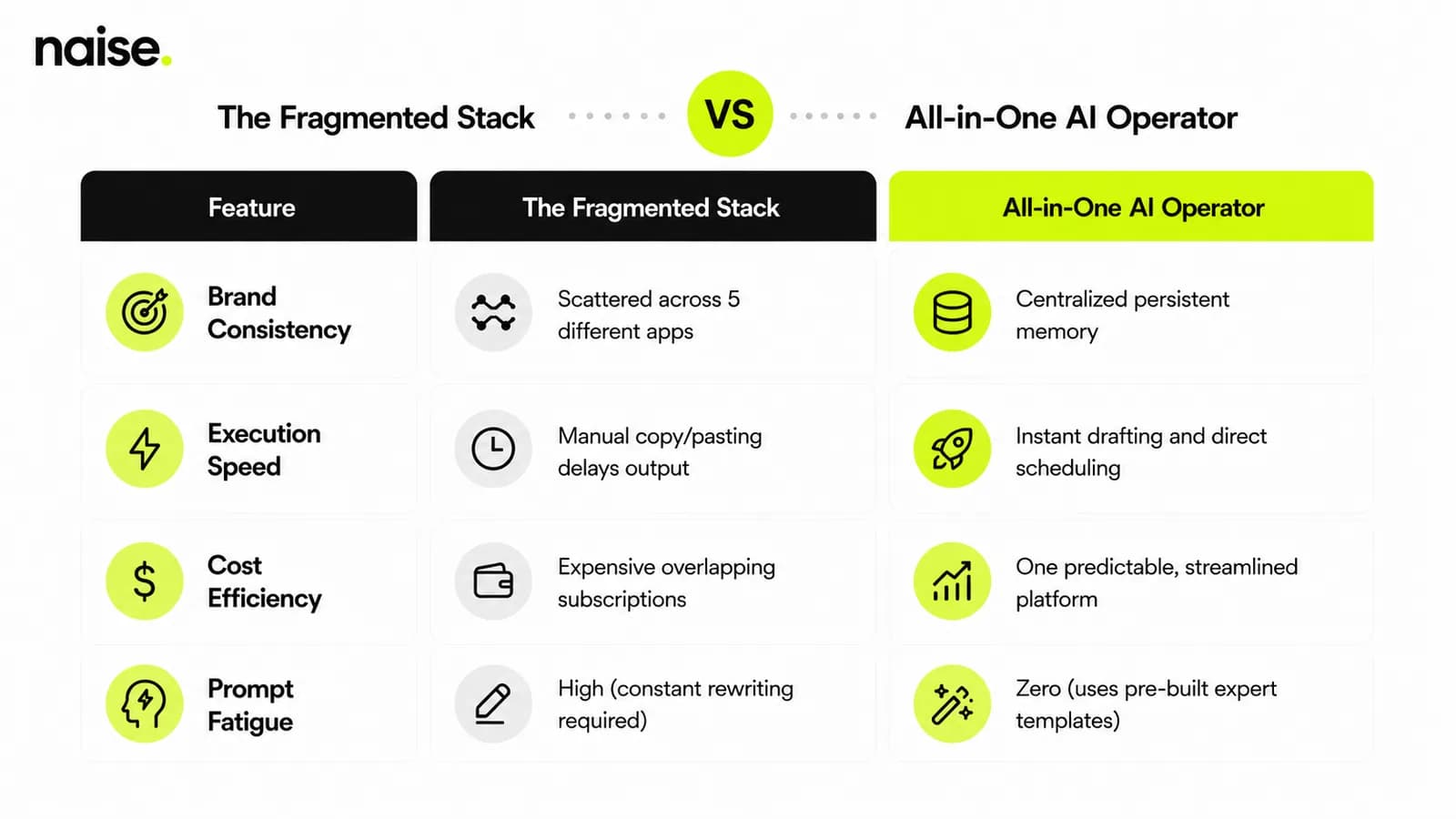
Bouncing between disjointed apps kills momentum, scatters your brand voice, and drains your budget through overlapping software subscriptions.
Take a hard look at your current daily workflow. You likely draft concepts in Google Docs, track approvals in Asana, schedule posts through Hootsuite, and measure analytics in HubSpot. Every time you switch tabs, you lose focus and waste precious administrative time. This disjointed approach is exactly why marketing managers feel overworked despite having access to modern technology.
The reality of the fragmented stack is that none of these tools actually talk to each other intuitively. Your project management software does not know your brand guidelines, and your scheduling tool does not understand your audience persona. You become the human bridge forcing these isolated systems to cooperate.
This manual data transfer is expensive and highly prone to human error. Centralizing your brainpower is the only way to scale without doubling your headcount. The incoming wave of software solves this by putting everything under one intelligent roof.
The Fragmented Stack vs All-in-One AI Operator
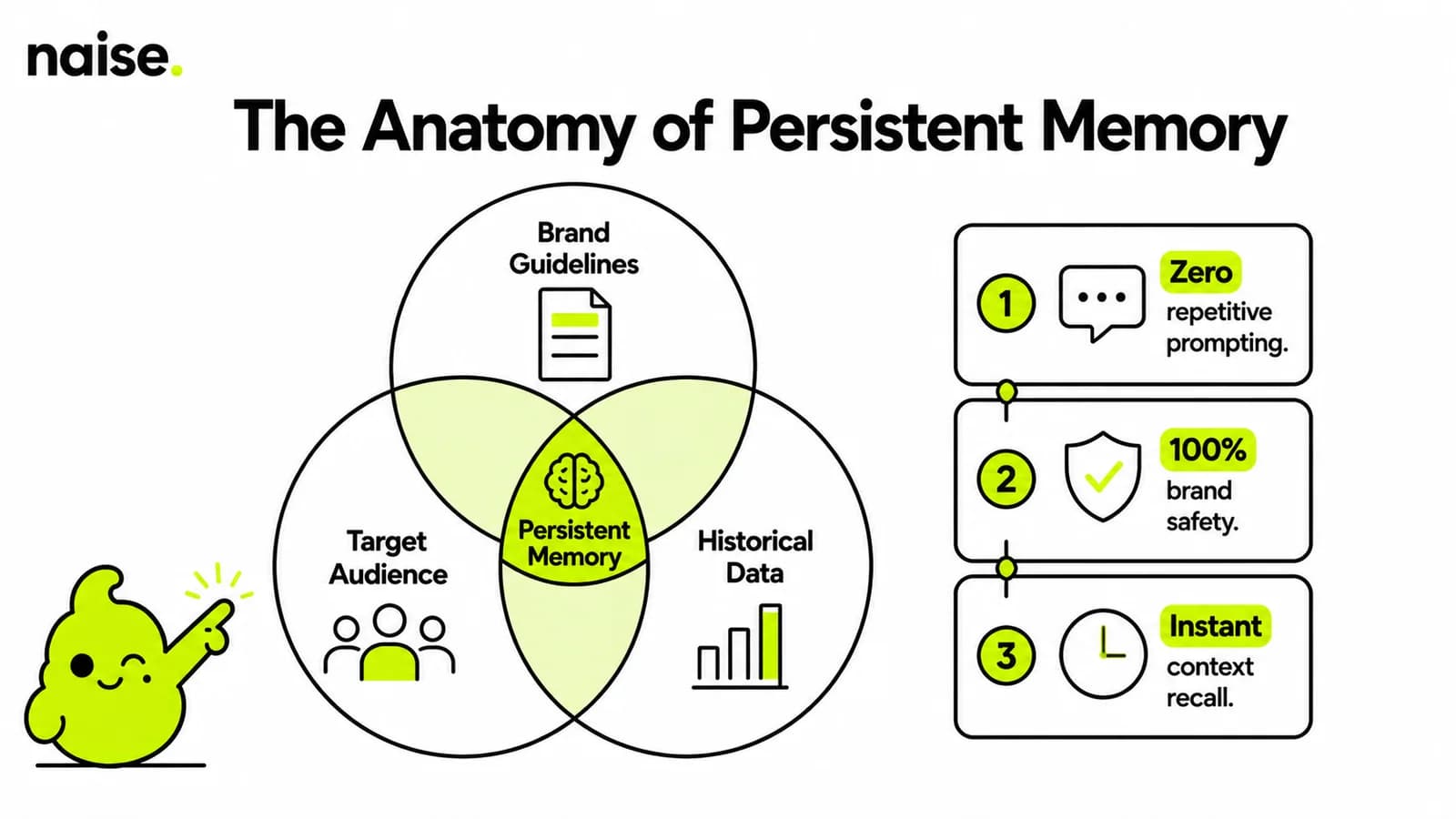
Persistent Memory is the New Standard
Future AI platforms will remember your specific brand voice, negative keywords, and past campaign performance so you never have to re-explain who you are.
The biggest flaw with early AI tools is their gold-fish memory. Every new chat session requires a ten-paragraph explanation of your Brand Identity, tone of voice, and target demographics. This repetitive setup process defeats the entire purpose of automation. Marketers need a system that learns their brand once and never forgets it.
The next generation of AI marketing management tools 2026 will rely heavily on structured knowledge bases. You will simply upload your brand book, past successful posts, and visual assets one time. From that moment on, every piece of content generated will sound exactly like your best copywriter wrote it.
The Naise Workflow: Let Your AI Teammate Do the Heavy Lifting
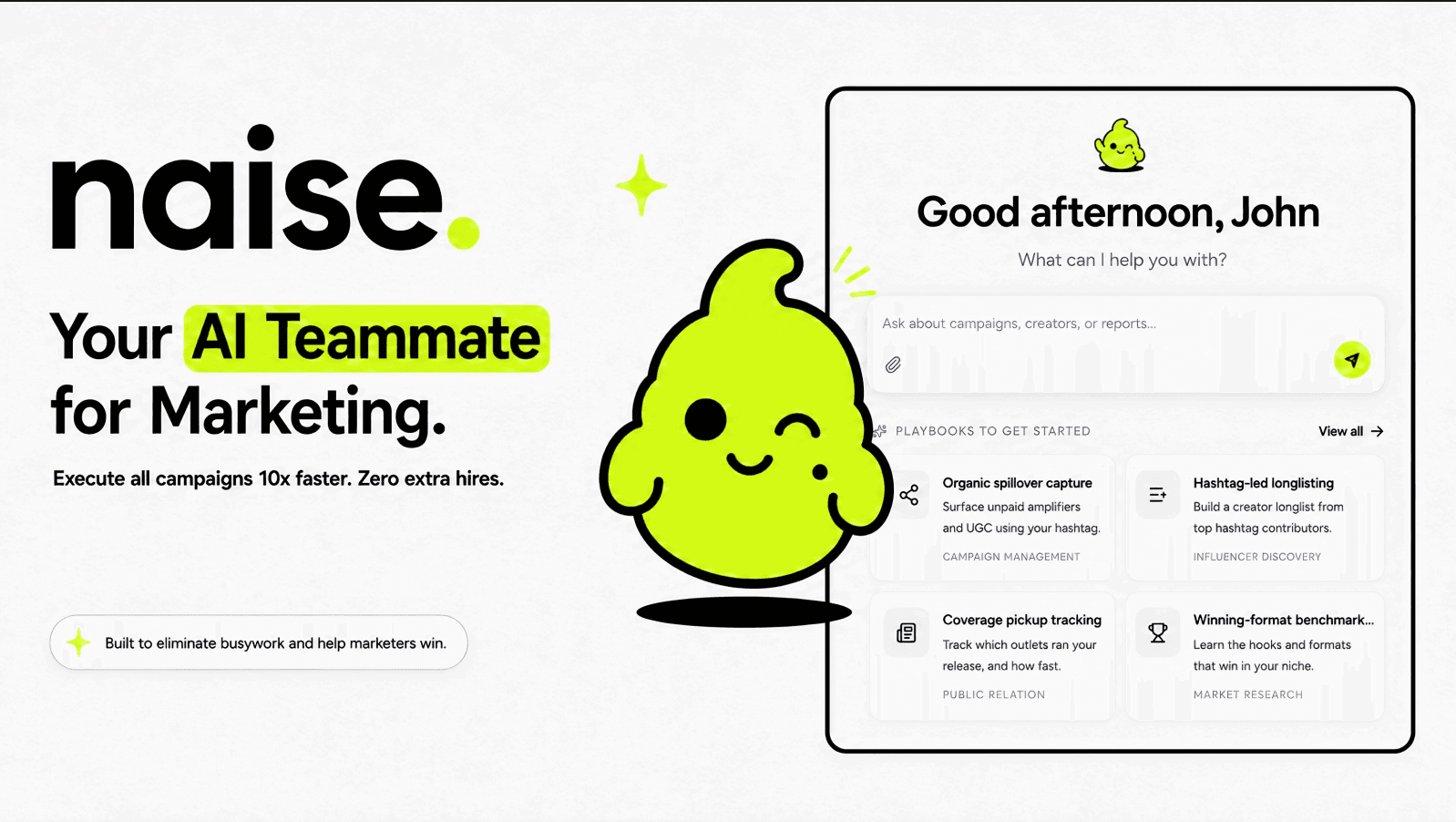
Stop paying for a dozen disjointed apps and let Naise AI handle your strategy from memory to execution effortlessly.
Knowing where the industry is heading is great, but executing on it today is what actually drives revenue. You do not need to wait until 2026 to ditch the manual grunt work. Naise AI is built specifically as an antidote to the broken, fragmented marketing landscape.
We built an integrated ecosystem that functions exactly like a senior marketing hire. Here is how you can deploy your first campaign before your coffee gets cold:
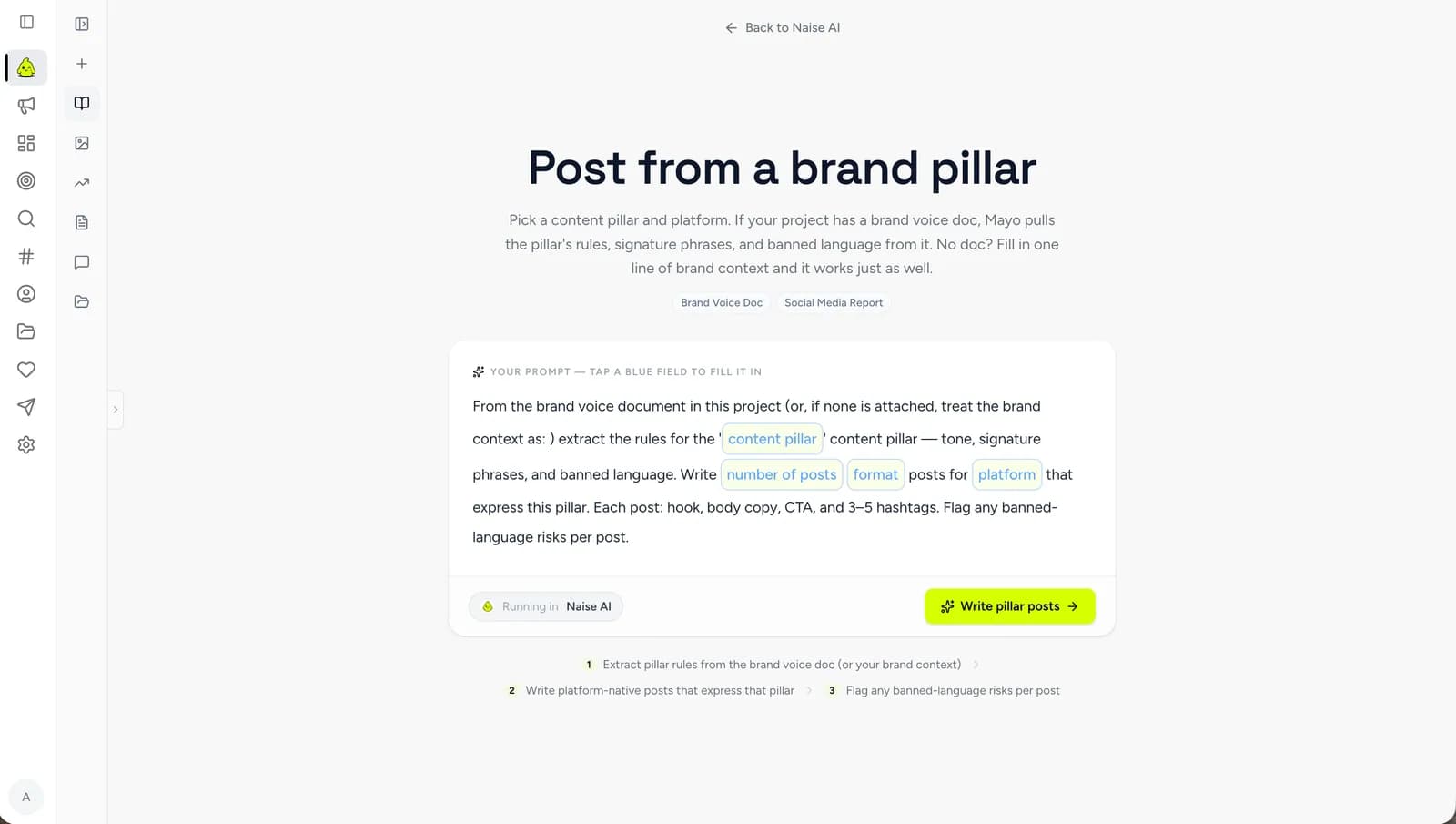
Establish Persistent Memory: Upload your brand guidelines, PDFs, or previous campaign reports directly into Projects. Naise AI memorizes your unique tone, banned phrases, and audience preferences instantly.
Command the AI: Open Naise Chat, your central command interface. Instead of staring at a blank page, you simply tell Naise (your AI teammate) what you want to achieve today.
Deploy Expert Strategy: Choose from our library of Playbooks. These are pre-configured, expert prompt templates designed by top marketers to completely eliminate prompt fatigue.
Execute Autonomously: Assign the task to the SMM Agent. It will autonomously generate the visual assets, write the captions perfectly aligned with your brand voice, and schedule the posts across all your social channels.
The future of AI marketing management tools 2026 is not about adding more complex software to your plate. It is about consolidating your efforts, relying on persistent memory, and trusting autonomous agents to execute the repetitive tasks. You deserve to focus on high-impact strategy and actually clock out on time. Let your AI teammate handle the heavy lifting while you take credit for the incredible results.
Frequently Asked Questions (FAQs)
What are AI marketing management tools?
AI marketing management tools are comprehensive platforms that use artificial intelligence to plan, execute, and track marketing campaigns. Unlike simple generative text tools, these platforms act as autonomous operators. They manage scheduling, enforce brand guidelines, and analyze performance data without requiring constant human intervention.
How do autonomous agents differ from standard AI copilots?
Standard AI copilots require you to write detailed prompts and manually guide them through every step of a task. Autonomous agents, like the SMM Agent, take a high-level goal and execute the entire workflow independently. They handle the research, drafting, and scheduling automatically, which saves marketing managers hours of administrative work.
Why is prompt fatigue a problem for modern marketers?
Prompt fatigue occurs when marketers spend excessive time rewriting and refining instructions for AI tools just to get a usable result. This constant back-and-forth drains productivity and creativity. Platforms utilizing pre-built Playbooks and persistent memory eliminate this issue by storing your brand context permanently.