Building custom AI Agents for Marketing from scratch takes massive technical effort and wastes valuable time. Modern marketers are pivoting from building complex workflows to deploying pre-configured systems. By leveraging ready-made tools, you can eliminate Prompt Fatigue and instantly scale your organic campaigns.
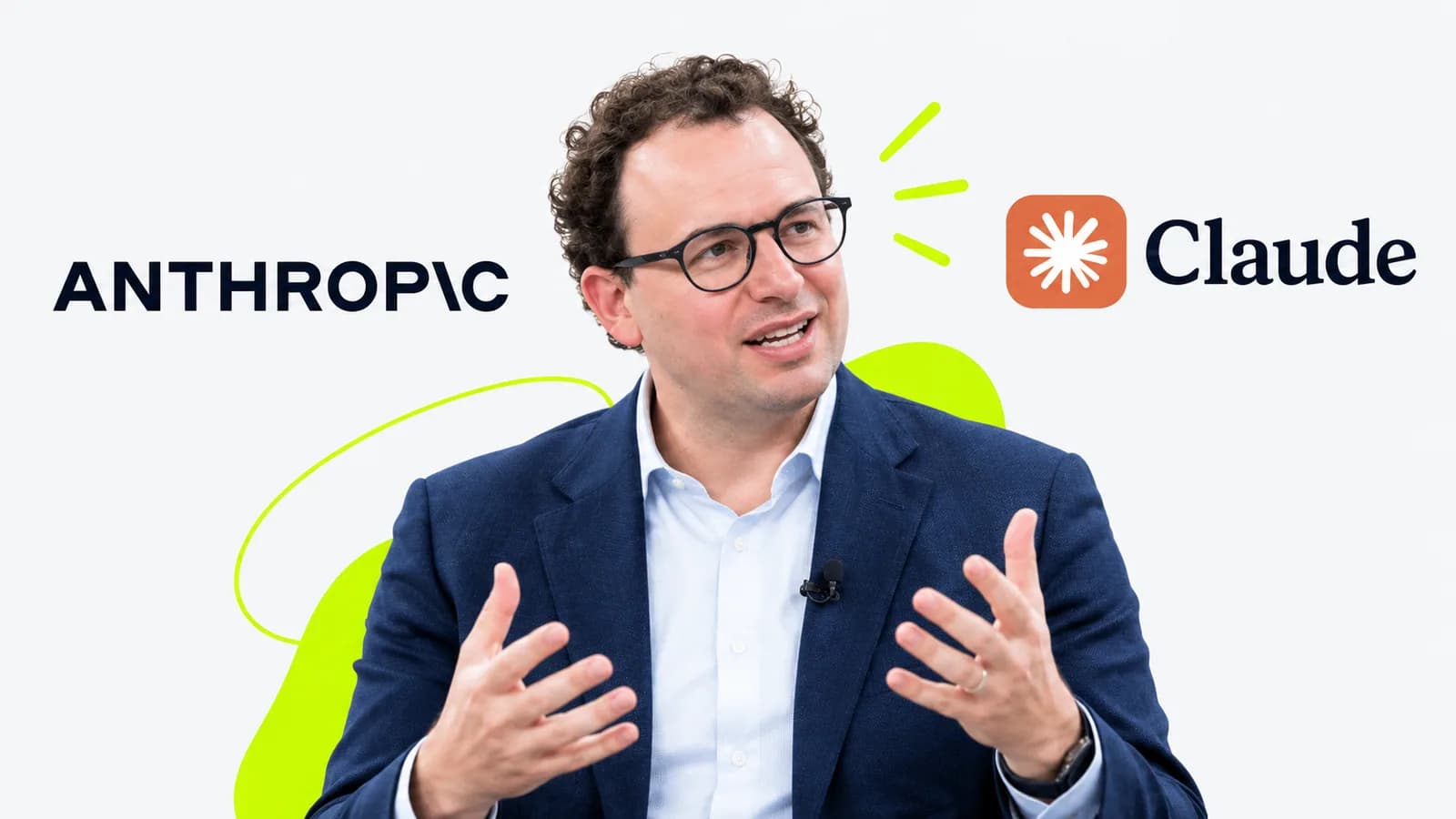
Introduction Anthropic recently released a brilliant 37-minute masterclass on how to build custom AI agents. The video details exactly how developers can wire together APIs and memory systems to automate an entire business. It is a fascinating look into the future of technology and software architecture.
However, this highly technical guide highlights a massive reality check for the modern marketer. You are likely managing an overflowing editorial calendar, vetting influencers, and handling demanding client expectations. You simply do not have 37 spare minutes to learn the nuances of technical software engineering.
Your clients expected that new product campaign to be launched yesterday. The marketing industry requires speed, agility, and instant execution to stay relevant. We need to look at the fundamental difference between building a custom tool and deploying a ready-made solution.
The "Build" Trap: Why Generic AI Drains Your Marketing Budget
Building custom AI agents on generic platforms requires deep technical knowledge and extensive prompt engineering, leading to hidden costs and time-consuming manual setups.
When lean marketing teams or busy agencies try to build custom workflows using tools like Claude or ChatGPT, they quickly encounter hidden operational costs. The initial appeal of a blank chat box fades when you realize the sheer amount of instruction required. You have to define the persona, set the formatting rules, and constantly correct the output.
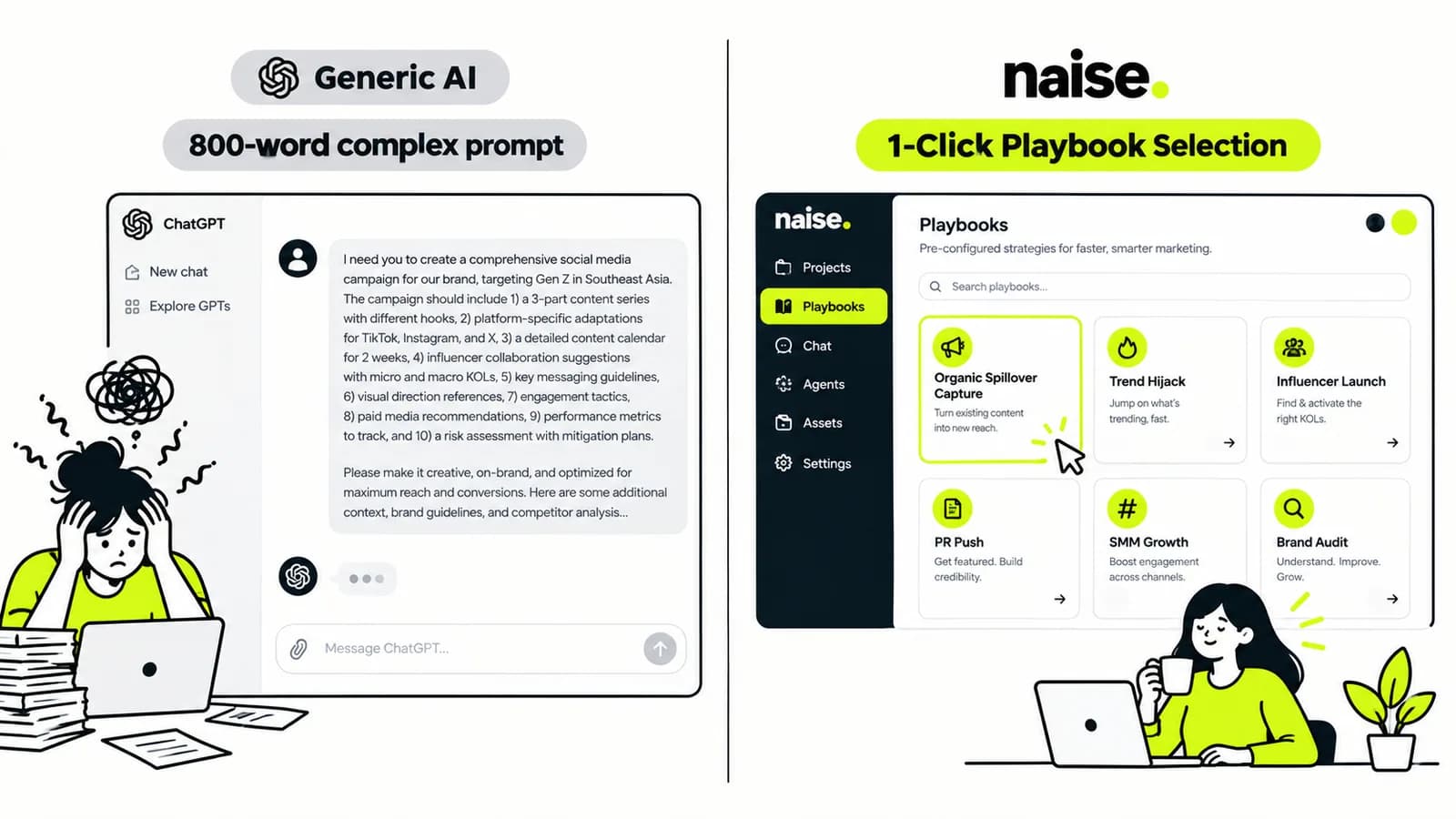
This tedious cycle creates a dangerous scenario known as Prompt Fatigue. Marketers end up spending more time tweaking complex instructions than actually executing their core strategy. You start with a simple request for a social media caption and end up writing a 500-word instruction manual.
The generic AI often spits out robotic corporate jargon that requires heavy manual editing. You rewrite the prompt three times just to get a brand voice that sounds remotely human. You are essentially acting as a full-time prompt engineer instead of a high-level marketing director.
Every minute you spend wrestling with a generic text generator is a minute lost on creative strategy and audience growth. This manual setup process eats directly into your agency profit margins and drains your team's energy. Recent research shows marketers waste about 40–45% of their weekly work time on manual, repetitive administrative tasks—roughly two full days per week.
The "Deploy" Mindset: Instant Execution for Lean Teams
Transitioning from building to deploying means using pre-configured templates and specialized marketing agents to execute campaigns instantly without manual prompting.
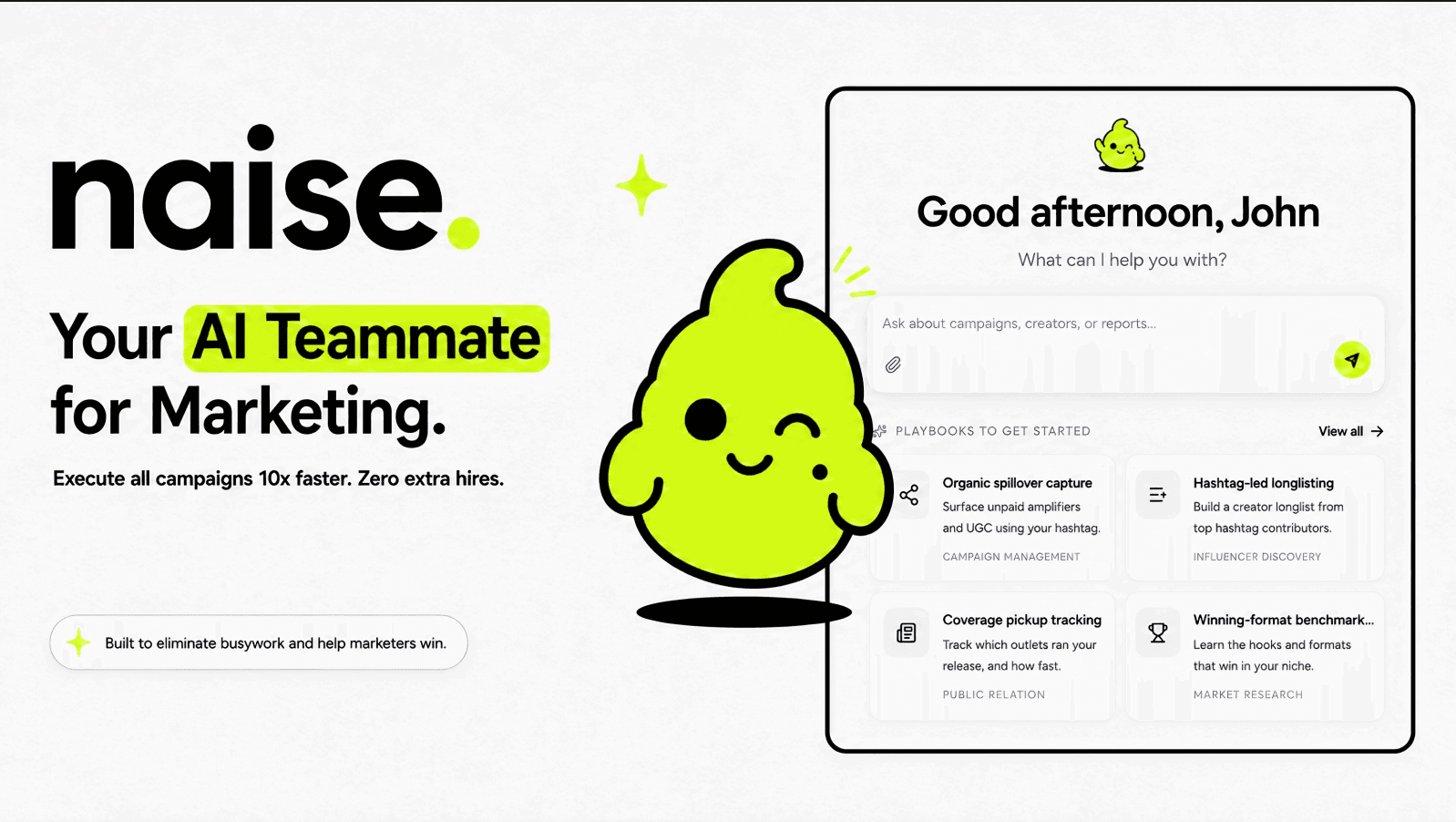
The most effective way to cure Prompt Fatigue is shifting your operational mindset from building to deploying. You need a marketing infrastructure trained and ready to work the moment you log in. This specific need for frictionless execution is exactly why we engineered the Naise AI ecosystem.
We designed an "Instant Start" workflow that completely removes the blank page syndrome. You do not need to understand APIs or write complex prompt sequences to get high-converting outputs. Instead, you follow a straightforward, three-step deployment process to launch your campaigns.
Step 1: Establish Persistent Memory with Projects
One of the biggest hurdles for busy agencies is maintaining a distinct, accurate brand voice across multiple client accounts. We solved this multi-client chaos by engineering Projects. This feature acts as a persistent vector memory bank for every single brand you manage.
You upload your brand guidelines, PDFs, and website URLs into the system exactly one time. Your specific tone of voice, unique emoji policy, and banned phrases are permanently locked into the system. You never have to remind the AI about your core messaging ever again. 💚
Step 2: Skip the Prompting with Playbooks
Once your brand identity is locked in, you bypass the prompt engineering phase entirely by utilizing Playbooks. These are pre-configured, agency-level templates designed for instant activation.
You simply select a strategy from the Dashboard, and the system automatically loads optimized instructions. Whether you are running an "Organic Spillover Capture" or a "Trend Hijack" campaign, the foundational work is already done for you.
Step 3: Delegate to Specialized Agents
After selecting your strategy, you hand the heavy lifting over to our specialized autonomous operators. You do not just trigger a text generator; you delegate the workload to highly specific team members.
The SMM Agent acts as your 24/7 social media manager. It locks in your tone of voice, automatically generates visual assets aligned with your brand aesthetics, and handles direct scheduling across your connected platforms.
If your campaign requires external outreach, the Influencer Agent steps in seamlessly. It accesses a filterable database to discover and vet high-performing creators based on real engagement metrics, tracking the entire KOL campaign from start to finish.
Simultaneously, the PR Agent operates as your reputation manager. It scrapes live trending industry hashtags and media conversations to autonomously draft highly persuasive media pitches.
The Ultimate Outcome: Reclaiming Your Role as a Strategist
Deploying pre-trained AI agents ensures complete brand consistency and allows marketers to reclaim their time, focusing entirely on high-level growth strategy.
The core philosophy behind integrating AI should always be speed over complexity. The technology must serve the marketer by handling the tedious, repetitive tasks that cause burnout. When you eliminate manual execution, you finally have the bandwidth to focus on true ROI-driven campaign planning.
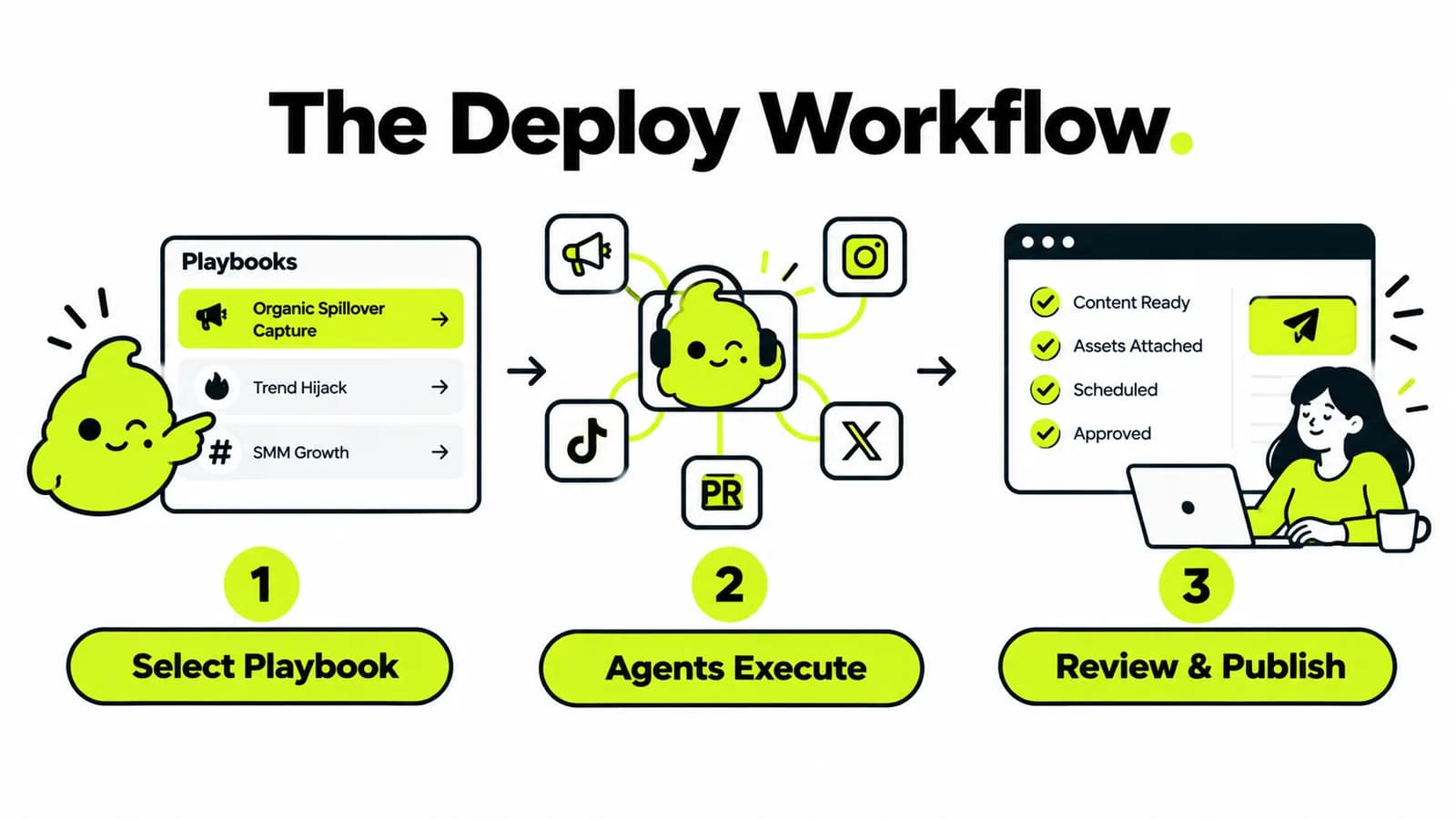
To transition from manual prompting to instant execution, the Naise AI workflow relies on a simple, step-by-step deployment process.
Step 1: Lock in Your Brand with Projects One of the biggest hurdles agencies face is maintaining an accurate brand voice across multiple client accounts. We solved this multi-client chaos by engineering Projects, which acts as a persistent vector memory bank. You upload your brand guidelines, PDFs, and website URLs exactly one time.
Your specific tone of voice, unique emoji policy, and banned phrases are permanently locked into the system. 💚
Step 2: Instant Start with Playbooks Once your brand memory is set, you gain instant access to our pre-configured Playbooks. Instead of drafting long-winded instructions, you simply select a proven strategy from the library like a product launch sequence. The system instantly loads the perfect instructions customized with your unique brand voice.
Step 3: Deploy the Agents With the strategy selected, you hand the heavy lifting over to our specialized autonomous operators. They act as your tireless marketing team, ready to execute around the clock.
SMM Agent: Think of this as your 24/7 social media manager. It leverages your brand identity to autonomously draft captions and generate perfectly aligned visual assets. It then handles direct integration with platforms like Instagram and TikTok for automated publishing.
Influencer Agent: This operator takes over your creator vetting and campaign management. It scans a filterable database to discover high-performing KOLs based on real engagement metrics and location. You can even monitor active campaigns in real-time to track total reach.
PR Agent: This is your public relations powerhouse for securing media coverage. It actively analyzes live trending industry hashtags to find quick trend hijacking opportunities. It then autonomously drafts highly persuasive media pitches tailored to specific journalists. 😎
You never have to remind the AI about your core messaging ever again. By letting the platform handle the daily grind, your agency can comfortably scale its output. You achieve massive volume without needing to scale your headcount.
Recent benchmarks show marketing automation delivers about $5–$6 ROI for every $1 spent, with 80% of users reporting more leads, up to a 451% lift in qualified leads, and roughly a 14.5% increase in sales productivity.
You do not need to spend 37 minutes learning how to build complex AI architectures from scratch. Your time is far too valuable to be wasted on repetitive prompt engineering and manual data entry. You need a system that understands your brand and is ready to execute from day one.
Let the technology do the heavy lifting while you focus on the creative direction. Step away from the fragmented marketing stack and let Naise cook your next campaign. ☕
FAQs
What are AI Agents for Marketing?
AI Agents for Marketing are autonomous software programs designed to execute specific marketing tasks without constant human intervention. Unlike generic chatbots that require continuous prompting, these agents can manage social media schedules, vet influencers, and draft PR pitches independently.
How do I avoid Prompt Fatigue when using AI?
You can avoid Prompt Fatigue by transitioning away from open-ended chatbots and using purpose-built marketing platforms. Tools that offer pre-configured templates, like Playbooks, eliminate the need to write complex instructions from scratch.
What is the difference between building and deploying AI?
Building AI involves technical skills, API integration, and extensive prompt engineering to create a custom tool. Deploying AI means utilizing ready-made, pre-trained platforms that allow you to execute tasks instantly with zero setup time.
How does Naise AI ensure my brand voice remains consistent?
Naise AI ensures consistency through its Projects feature, which acts as a persistent memory bank. Users upload their brand guidelines once, and the system permanently applies that specific tone, style, and vocabulary to all future content generated by the agents.