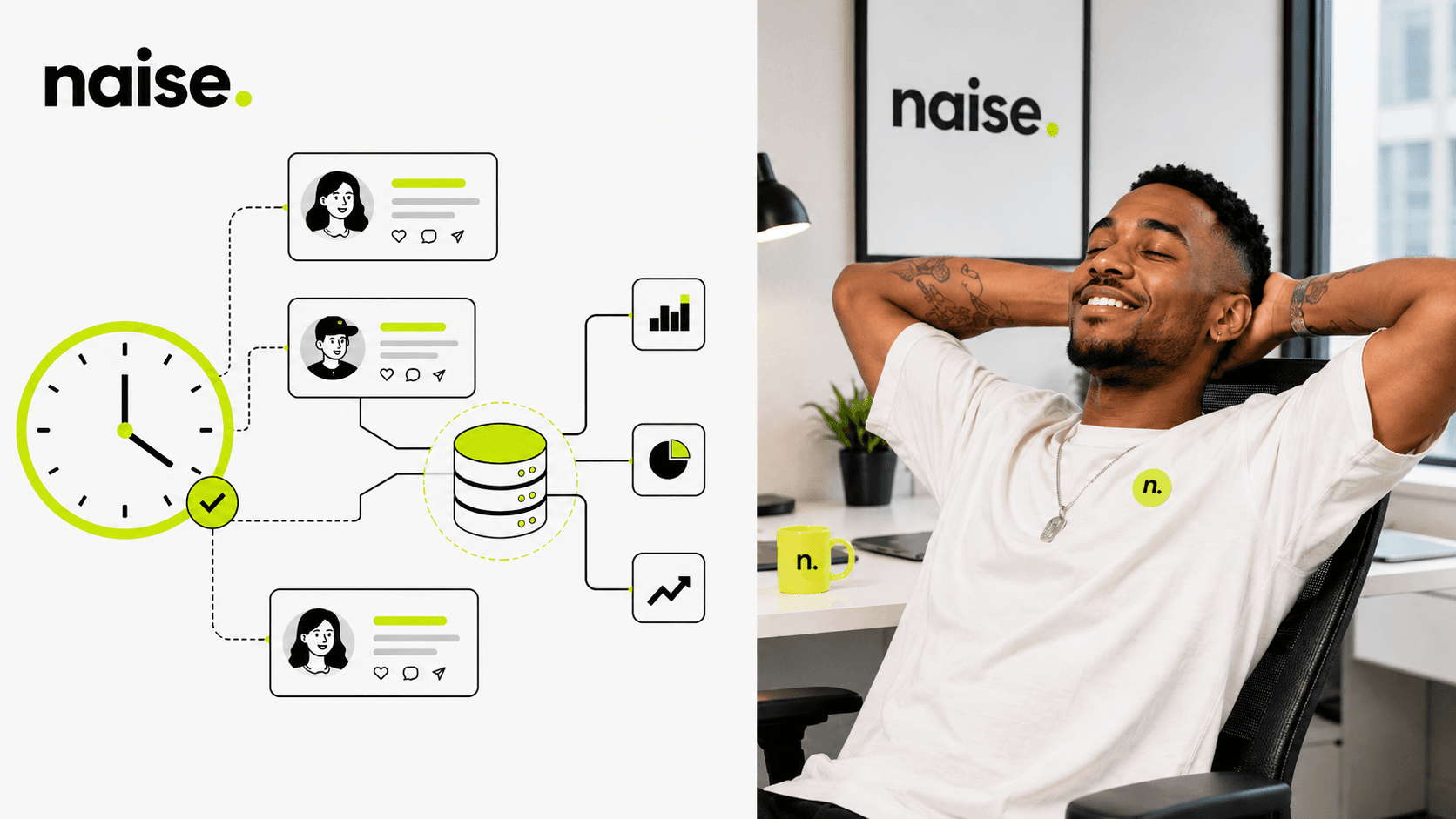
When you start searching for direct social media automation tools, you usually get hit with a list of 50 different apps. You get an SEO tool here, an email sender there, and a generic social scheduler somewhere else.
What those lists ignore is the very real friction of forcing these tools to talk to each other. They ignore the budget constraints of lean teams, the distinct differences between B2B and B2C needs, and the dangers of siloed data. You end up spending more time managing the software than actually running campaigns.
This fragmented approach creates a massive bottleneck. Let's break down why traditional stacks fail and how a unified AI-driven ecosystem solves the core problem.
The True Cost of a Disconnected Marketing Stack
A fragmented marketing stack forces managers to act as human middleware, manually moving data between isolated tools.
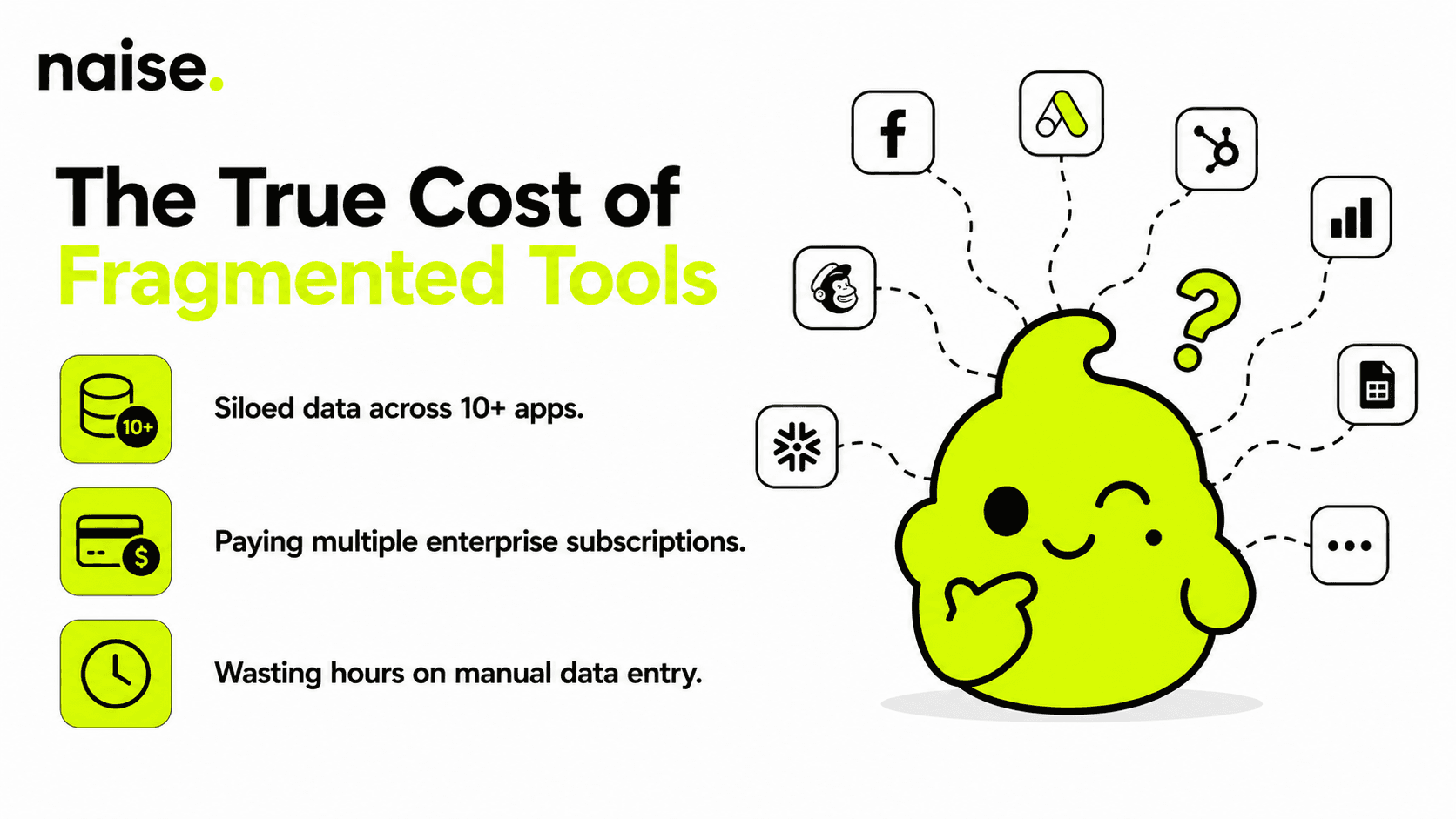
When you operate with a duct-taped stack, maybe using Hootsuite for social, Muck Rack for PR, and Upfluence for creator discovery, your brand data lives in silos.
Lost Context: Your social scheduler doesn't know what your PR tool just pitched.
Wasted Hours: You spend hours manually uploading brand guidelines into every new tool and rewriting prompts to get the tone right.
Budget Drain: You pay multiple enterprise subscriptions for single-use functions.
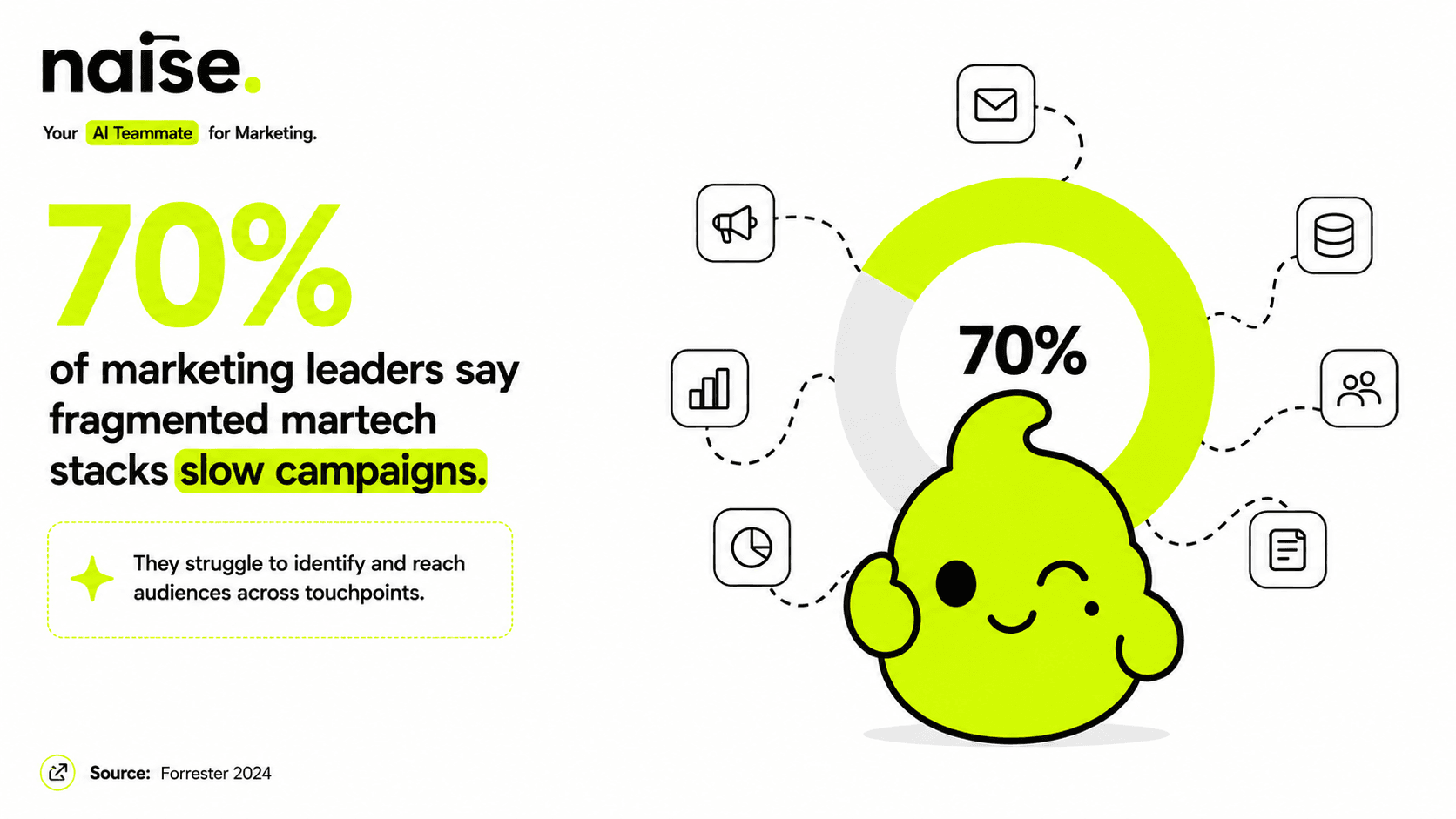
This is where the conversation needs to shift. The goal isn't finding another tool to add to the pile; it's finding an ecosystem that understands your business context from the ground up.
Why Context is the Missing Ingredient
Marketing tools only work efficiently when they possess deep, persistent knowledge of your specific brand identity.
Most AI marketing tools fail because they start from zero every single time. You log into a generic text generator, type a prompt, and get a generic output that sounds like a robot wrote it.
To actually eliminate the friction, you need a system that retains memory. When evaluating the best digital marketing tools for marketing managers, prioritize platforms that act as a centralized brain.
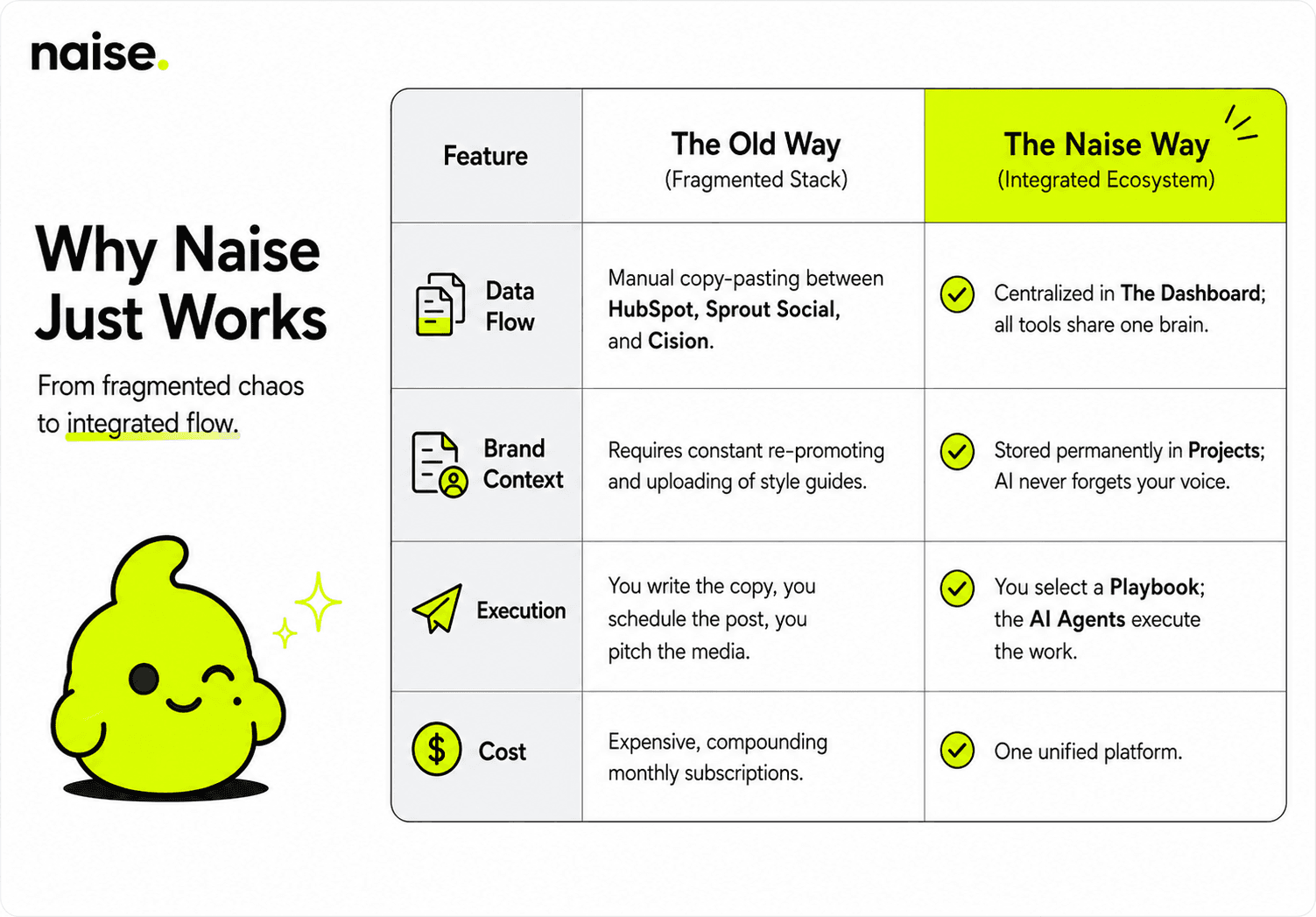
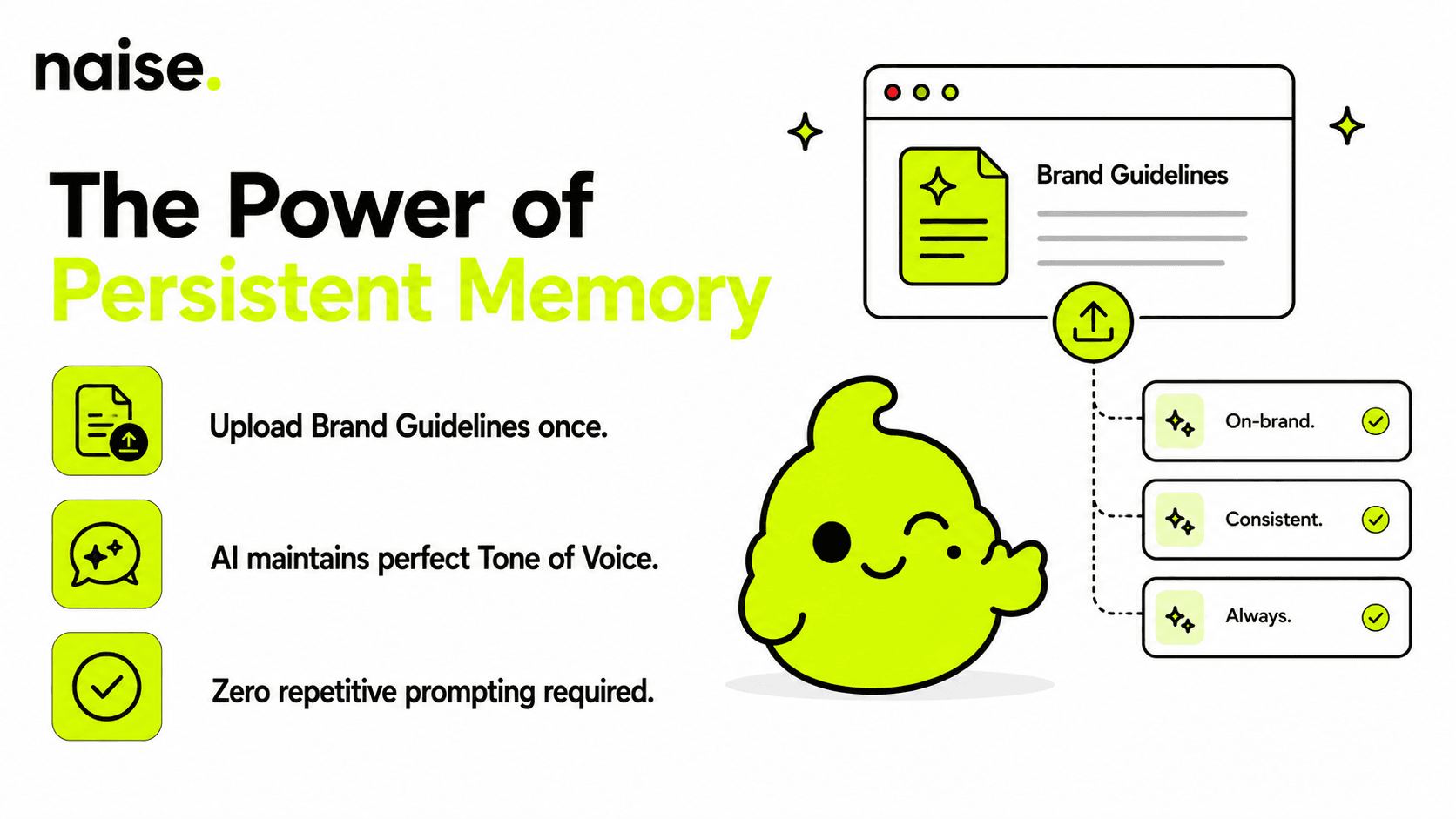
The Brain (Projects): You should only have to upload your brand guidelines, PDFs, and tone of voice rules once.
The Execution: Every subsequent task must automatically pull from that persistent memory, ensuring your B2B technical voice or your B2C playful tone is flawlessly maintained across all channels.
How Naise AI Eliminates Duct-Taped Workflows
Naise AI uses persistent memory and autonomous agents to execute full campaigns without manual intervention.
Let’s look at a practical example of how Naise AI completely replaces the fragmented stack approach, specifically focusing on how our PR Agent works in tandem with your core brand data.
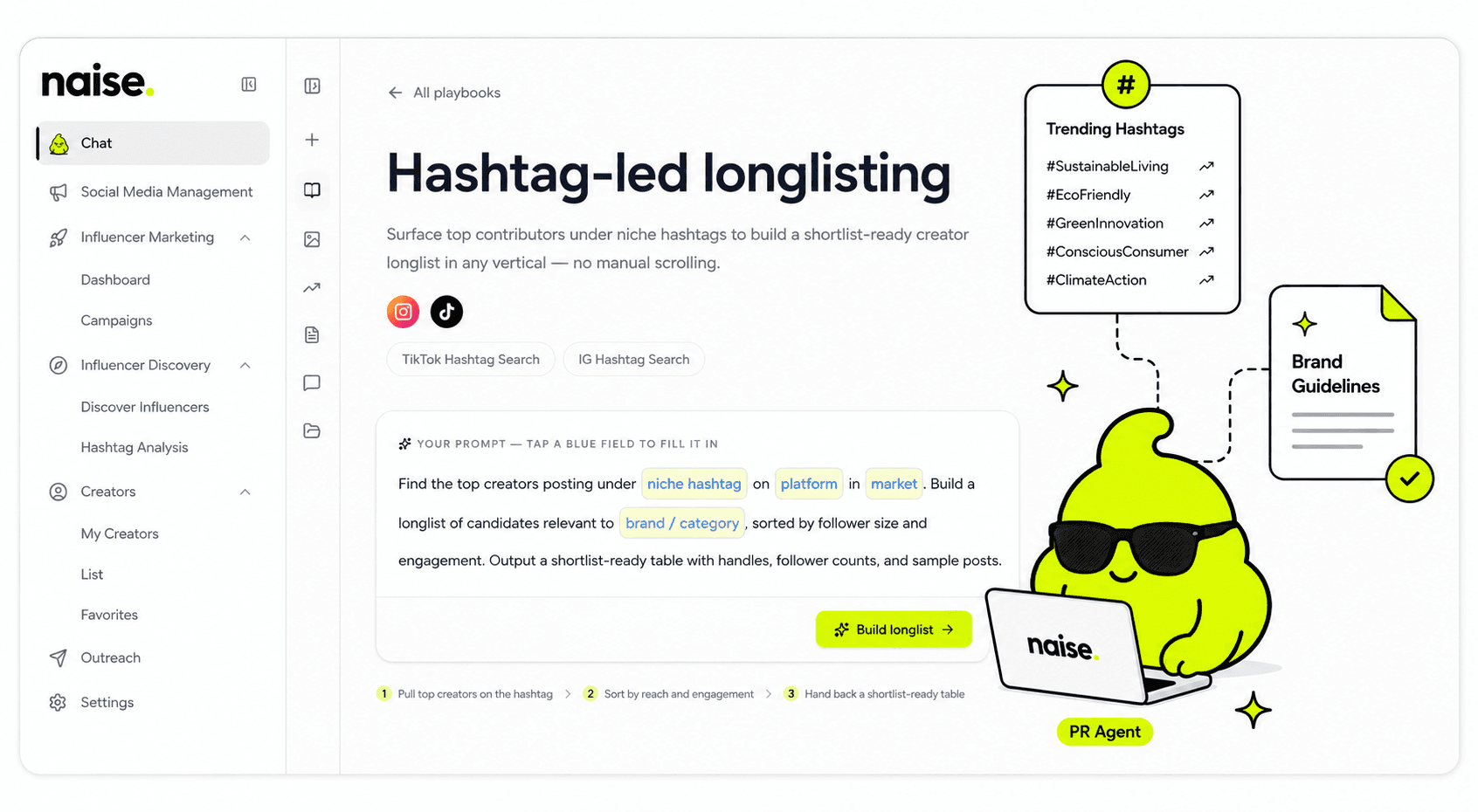
Establish Context in Projects: First, you upload your company’s latest product release PDF and brand guidelines into Projects. This becomes the persistent memory bank.
Command Naise Chat: You open Naise Chat in The Dashboard and select a pre-configured Playbook (e.g., "Coverage Pickup Tracking"). You don't need to write a complex prompt; the strategy is already built-in.
Deploy the PR Agent: Naise deploys the PR Agent. Instead of you manually searching Twitter or generic news feeds, the agent actively scrapes live, trending industry conversations relevant to the data you stored in Projects.
Autonomous Execution: The PR Agent autonomously drafts formatted, persuasive media pitches tailored to those real-time trends, entirely anchored in your verified brand voice, ready for you to approve.
Finding the best digital marketing tools for marketing managers means stopping the endless search for standalone apps and embracing an autonomous ecosystem. Stop acting as human middleware for disconnected software. Let Naise handle the heavy lifting, maintain your brand context, and execute the strategy so you can finally clock out on time.
Ready to see the difference a unified AI teammate can make? Run your Free 60-Second URL Audit today and watch Naise AI analyze your entire brand presence instantly.
Frequently Asked Questions (FAQs)
Q: Do marketing managers need to learn complex AI prompting?
No, modern AI ecosystems eliminate the need for complex prompting. Platforms like Naise AI utilize pre-configured Playbooks. These are expert-level prompt templates built directly into the system. Users simply select the strategy they want to execute, and the system handles the complex instructions on the backend, solving prompt fatigue entirely.
Q: How does an integrated ecosystem handle different brand voices for B2B vs B2C?
Integrated ecosystems use persistent memory banks to lock in specific brand identities. Through features like Projects, users upload their specific brand guidelines, whether it's a highly technical B2B tone or a casual B2C voice. The autonomous agents, such as the SMM Agent, constantly reference this centralized memory for every single task, ensuring perfect consistency without manual corrections.
Q: Why is real-time data scraping important for PR campaigns?
Real-time scraping allows PR campaigns to hijack trending conversations instantly, bypassing outdated databases. Instead of relying on static media lists found in legacy tools like Muck Rack, advanced agents like the PR Agent actively monitor live social and media feeds. This enables the AI to draft hyper-relevant pitches based on what journalists are discussing right now, drastically improving coverage pickup rates.