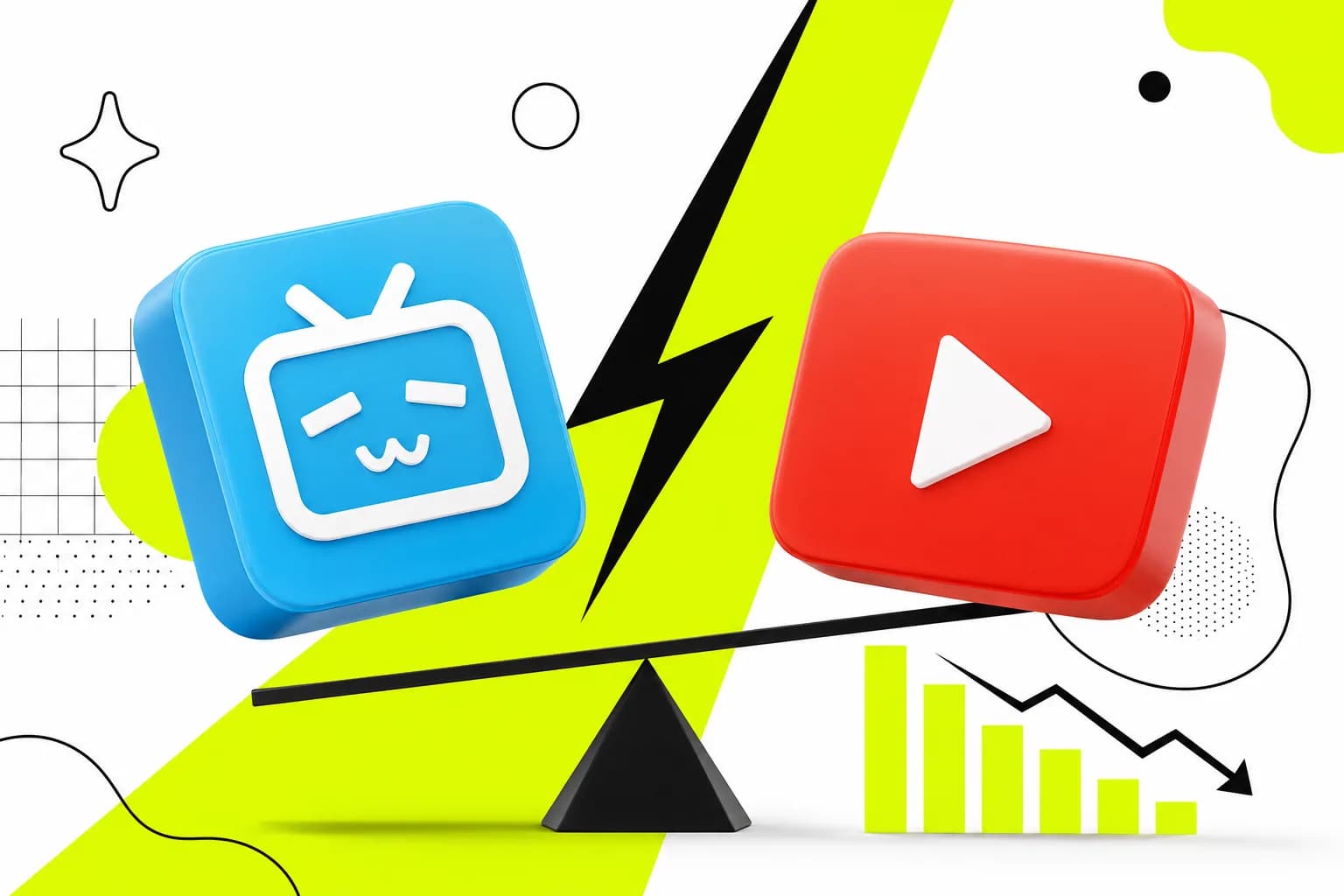
China's massive video platform Bilibili is officially going global and targeting international creators. Rumors of a $0.70 per 1,000 views payout are actively challenging the traditional YouTube monetization model. Smart marketers are watching this shift closely because where top creators migrate, massive audiences inevitably follow.
The $0.70 Per 1,000 Views Rumor Explained
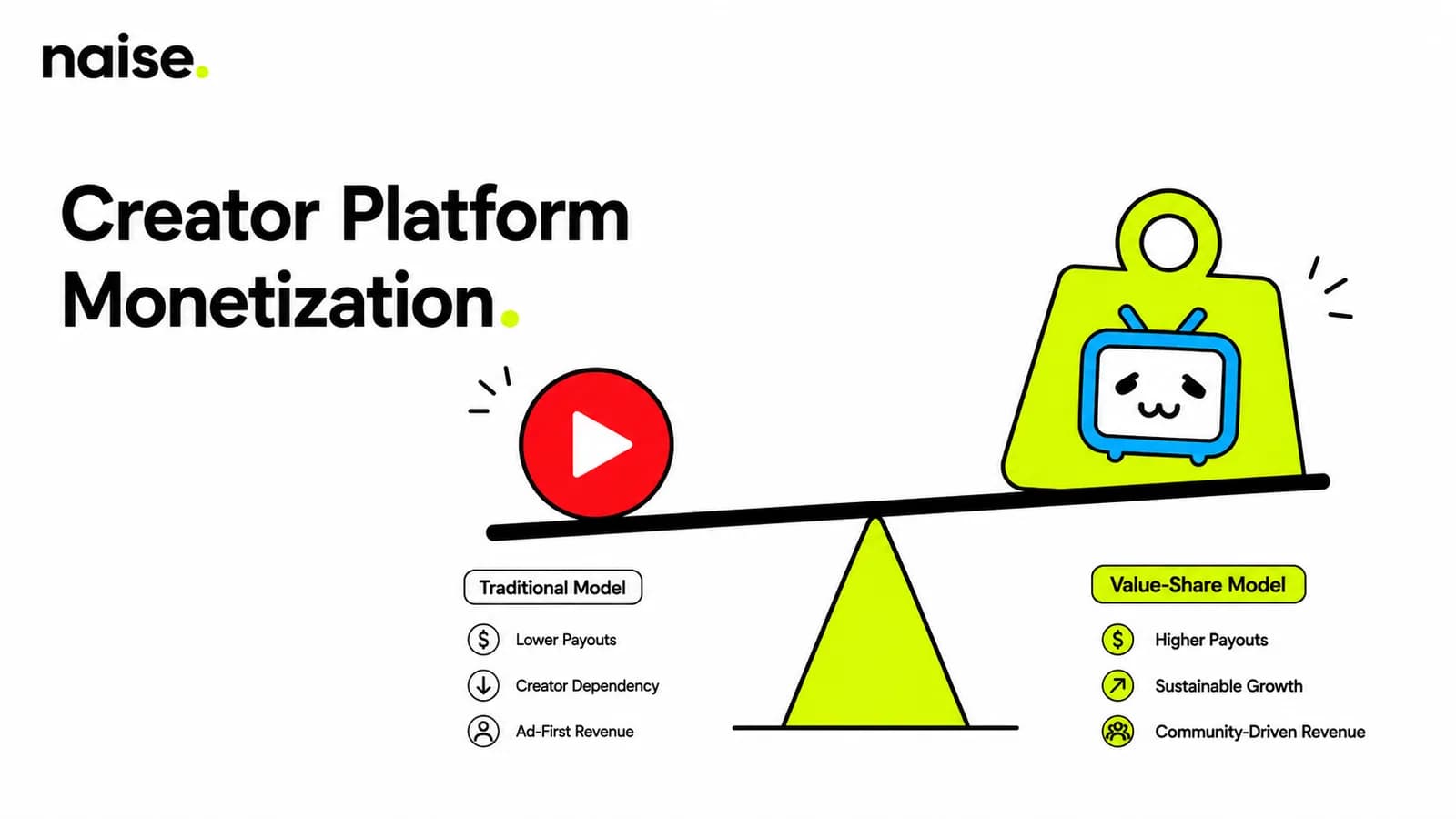
Bilibili is reportedly offering international creators up to $0.70 per 1,000 views to attract talent, though payouts depend heavily on engagement metrics and ad revenue rather than a fixed guarantee.
The creator world stopped scrolling this week when reports surfaced about a new monetization challenger. Bilibili, widely known as the Chinese equivalent to YouTube, is making an aggressive push into international markets. The headline grabbing everyone's attention is a rumored payout of nearly a dollar for every thousand views. This bold financial incentive is actively turning heads away from traditional platforms.
While YouTube often hands out mere crumbs to smaller creators, this new challenger is waving a much larger carrot. You read that correctly. A platform with over 370 million monthly active users is stepping up to pay international talent at highly competitive rates. However, seasoned creators know that a flat rate is rarely the full story in the Creator Economy.
This reported $0.70 rate is not a universally guaranteed fixed payment for simply existing on the platform. The actual creator compensation relies heavily on a complex mix of video performance and overall engagement. Content Quality and valid watch activity play massive roles in the final payout calculation. Advertising revenue generated around the content also dictates the final numbers hitting a creator's bank account.
Even with these variables, the aggressive nature of this creator incentive system is impossible to ignore. Recent data on average YouTube CPMs for gaming or anime creators in 2026 shows gaming channels earning just $2–$8 CPM (with effective RPMs of $1–$3.50 after YouTube's cut), while anime content typically ranges from $3–$10 CPM depending on audience demographics and content type. When a massive tech entity opens up international monetization, the ecosystem shifts. Creators who feel undervalued are already turning to take a serious look at this alternative.
Breaking Down the Global Expansion Strategy
Bilibili is aggressively recruiting global talent by removing strict registration barriers like passport and ID requirements to streamline creator onboarding.
Going global requires more than just offering good payout rates. You have to actively remove the friction that stops a user from signing up in the first place. Bilibili understands this fundamental rule of User Acquisition perfectly. They have strategically dropped the massive barrier of requiring a passport or formal ID for international creators to register.
This simple UX decision changes the entire competitive dynamic overnight. In the past, foreign platforms often failed globally because their onboarding processes felt like a complex legal exam. By eliminating this friction, the platform is inviting a flood of new international uploads.
This is a classic edge-encirclement strategy. YouTube is not being attacked directly in its core Western markets just yet. Instead, it is being circled from the edges by a platform building its own massive, independent creator ecosystem. The goal is to quietly build a parallel universe of high-quality content.
Marketers need to recognize the sheer scale of this ambition. The platform is not just trying to steal a few viral vloggers. They are actively trying to construct a serious, viable global alternative to the current video monopoly. The year 2012 is knocking at the door again, only this time the disruption is originating from the East.
Anime, Gaming, and the Gen-Z Culture Stronghold
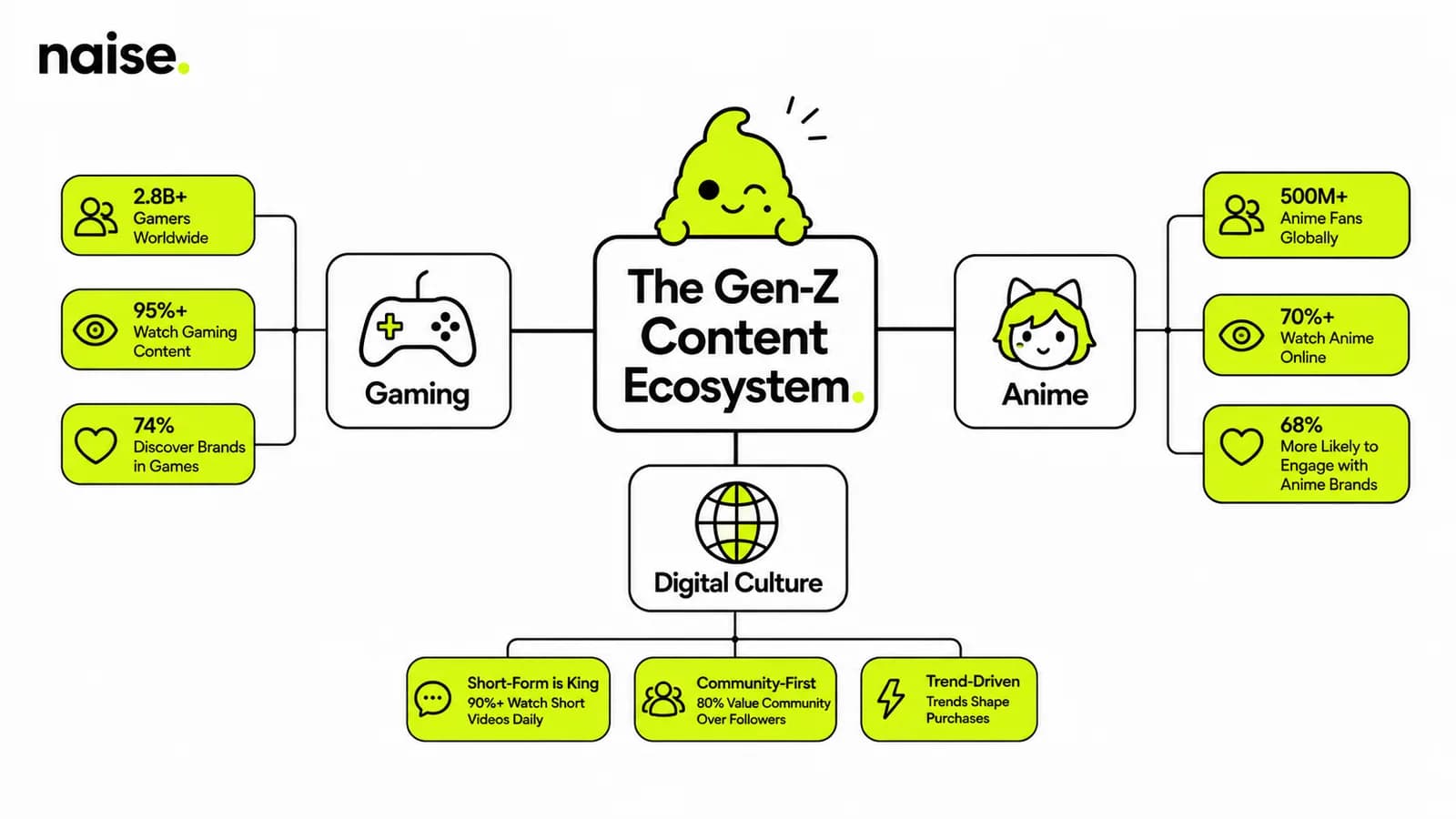
Bilibili built its massive base of 376 million users by focusing deeply on highly engaged niche communities like anime, gaming, and Gen-Z entertainment.
You cannot understand the threat level without understanding the audience. Bilibili did not grow to hundreds of millions of users by trying to be everything to everyone right away. They built a massive, fiercely loyal user base entirely around Anime, Gaming, and highly specific Gen-Z Culture. This deep niche focus created a sticky, high-retention environment.
When a platform owns the cultural zeitgeist for a specific generation, its power multiplies rapidly. Users do not just passively watch videos on these niche platforms. They actively engage, comment, and build dense digital communities around their favorite obscure topics. This level of raw Audience Engagement is exactly what major advertisers crave.
Gen Z now spends roughly 3–4× more time daily on niche/social video platforms (YouTube, TikTok, Instagram, etc.) than on traditional linear television—about 2.5–4+ hours per day on social/video‑sharing platforms versus only ~0.8–1.3 hours on traditional TV. The expansion beyond China means they are now exporting this highly successful community-building model to the rest of the world. They are creating fresh opportunities for niche creators who feel lost in the broad algorithmic ocean of larger networks.
If you are trying to reach young, highly active digital consumers, your radar needs to be pinging right now. The cultural centers of the internet are shifting rapidly. Brands that recognize these cultural strongholds early will always outperform those who wait for a platform to become saturated.
Why Marketers Should Care About Emerging Platforms
Smart marketers track creator migrations closely because early adoption on emerging video networks often leads to higher organic reach and lower customer acquisition costs.
The most dangerous thing a digital marketer can do is get comfortable. It is very easy to look at the current dominance of major networks and assume the hierarchy is permanent. However, history shows us that where the creators go, the audiences will eventually follow.
If your target demographic begins spending two hours a day on a new app, your brand needs to be there. You do not necessarily have to abandon your current social media strategy entirely. But you absolutely must allocate resources to test and monitor these emerging digital channels. Ignoring a platform with hundreds of millions of users is simply bad business.
Platforms like Bilibili offer a unique window of opportunity for early adopters. Before the ad space gets crowded and expensive, organic reach tends to be incredibly high. Smart brands use this window to establish a foothold and drive down their overall Customer Acquisition Costs. The brands that wait for mainstream permission always end up paying a premium.
This is not just about a single Chinese platform challenging an American tech giant. It is a broader lesson in staying agile and aware of the shifting digital tides. The creator economy is borderless now, and the competition for attention has never been more intense.
The video platform wars are heating up, and the landscape is shifting faster than ever. While it is too early to declare a definitive winner, the aggressive global push by platforms like Bilibili proves that creators finally have serious options. Brands and marketers must stay vigilant, track where the attention is flowing, and be ready to pivot their strategies.
Could this new challenger truly become a serious global alternative for your favorite creators? Let us know what you think in the comments below!
FAQs
How much does Bilibili pay international creators?
Reports suggest the platform can pay up to $0.70 per 1,000 views under its new global creator incentive system. However, this is not a guaranteed flat rate and depends heavily on video engagement, content quality, and platform advertising revenue.
Do you need a passport to join Bilibili as a creator?
No. To accelerate its global expansion, the platform has recently removed the requirement for international creators to provide a passport or formal ID during the registration and upload process.
What kind of content is most popular on Bilibili?
The platform originally built its massive user base by focusing heavily on niche communities. The most popular and highly engaged content revolves around anime, gaming, tech, and broader Gen-Z digital culture.
Is Bilibili a direct competitor to YouTube?
While not yet a direct threat in Western mainstream markets, it is actively building a parallel global ecosystem. By aggressively recruiting creators and offering strong monetization, it is positioning itself as a serious long-term alternative to YouTube.