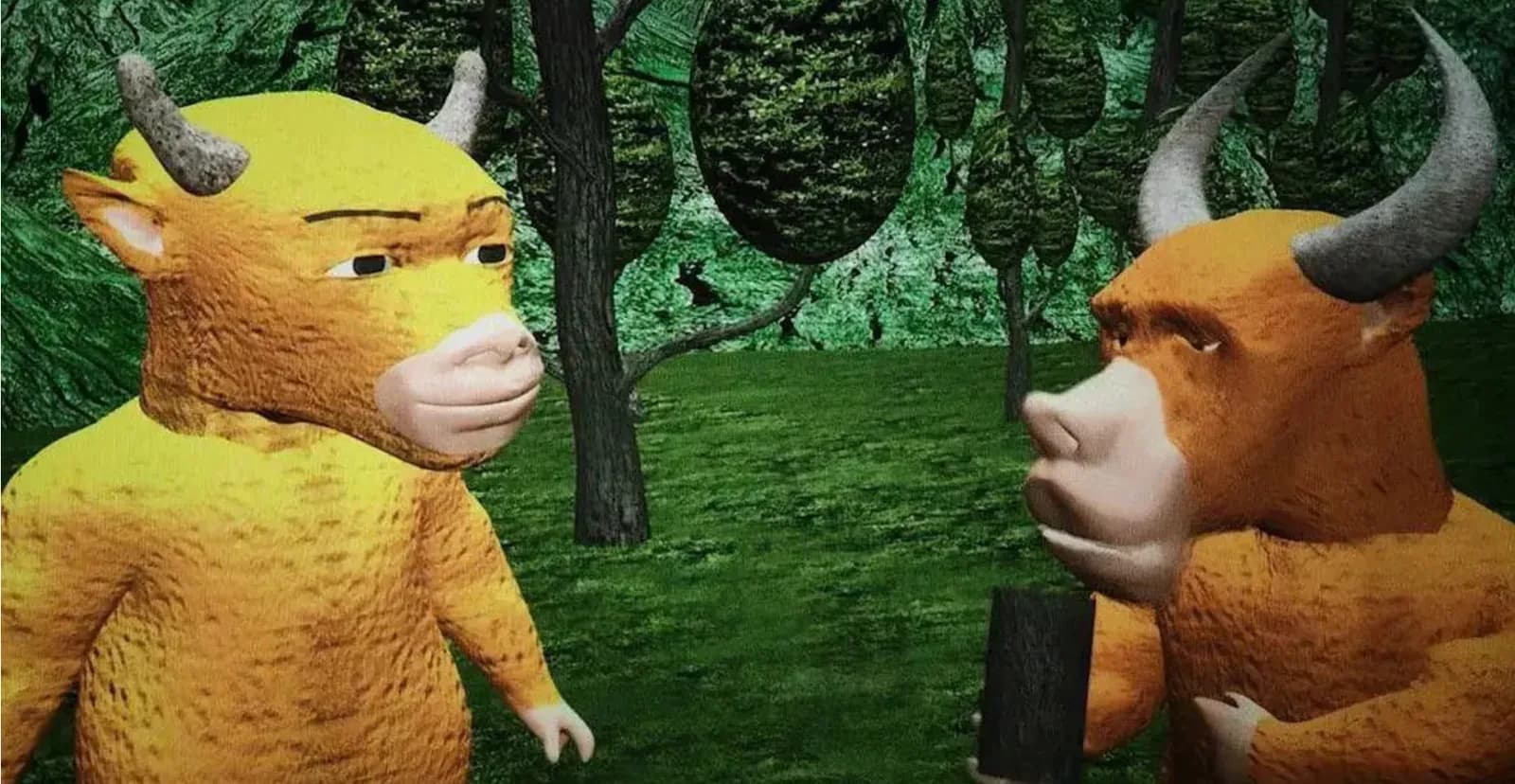
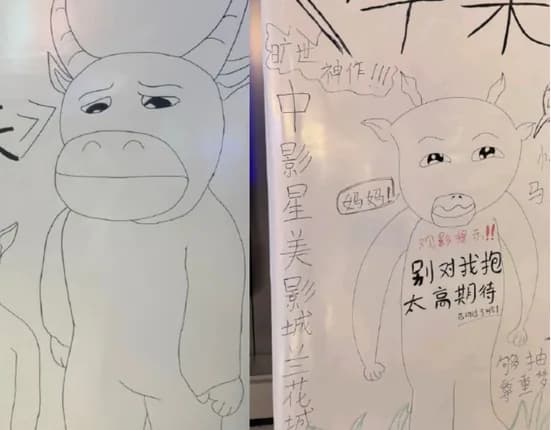
A recent film with famously terrible animation unexpectedly dominated the Chinese box office, proving that polished aesthetics often lose to raw, authentic community engagement. This phenomenon highlights the unpredictable nature of viral trends. To successfully capitalize on capturing viral marketing momentum, brands must pivot instantly—a nearly impossible feat for lean teams relying on manual execution, but an effortless task for an autonomous marketing operator.
The Power of 'So Bad It's Good'
The film's success stems from a community-driven irony where audiences championed the movie's flaws, transforming a potential flop into a highly engaging, meme-able cultural event.
In a cinematic landscape dominated by hyper-realistic CGI and massive budgets, the unexpected triumph of a poorly animated feature in the Chinese box office is a massive wake-up call for marketers. The film did not succeed despite its flaws; it succeeded because of them. The terrible animation became the hook, sparking a wave of ironic appreciation, memes, and user-generated content (UGC).
This is the essence of modern virality. It is rarely engineered in a boardroom. It is organic, messy, and driven by audience sentiment rather than polished corporate messaging. The audience took ownership of the narrative, turning the act of watching the film into an inside joke that everyone wanted to be a part of.
For a marketing director, the lesson is clear: perfection is no longer the ultimate goal. Resonance is. When an audience latches onto a quirky, unpolished, or unexpected element of your brand, fighting it with polished PR is a mistake. You have to lean into the skid.
The Agony of the Slow Pivot
Most marketing teams fail to capture viral momentum because their manual approval processes and fragmented tools prevent them from reacting while the trend is still relevant.
Recognizing a viral moment is only half the battle. The real challenge is executing a campaign before the internet moves on. When a brand unexpectedly goes viral, whether it is a product feature failing humorously or a user creating a bizarre meme.
Unfortunately, the traditional marketing stack is built for planned, monthly calendars, not real-time cultural hijacking. If your team has to manually scrape TikTok for the trending audio, draft three different email pitches, wait for legal approval on a tweet, and brief an influencer agency, you have already lost. The trend will be dead before your first post goes live.
This fragmented approach guarantees that lean marketing teams will always be spectators to viral moments rather than participants. You cannot manually outpace the internet. You need a system that can detect the surge and execute the response simultaneously.
Turning Chaos into Campaigns with Naise AI
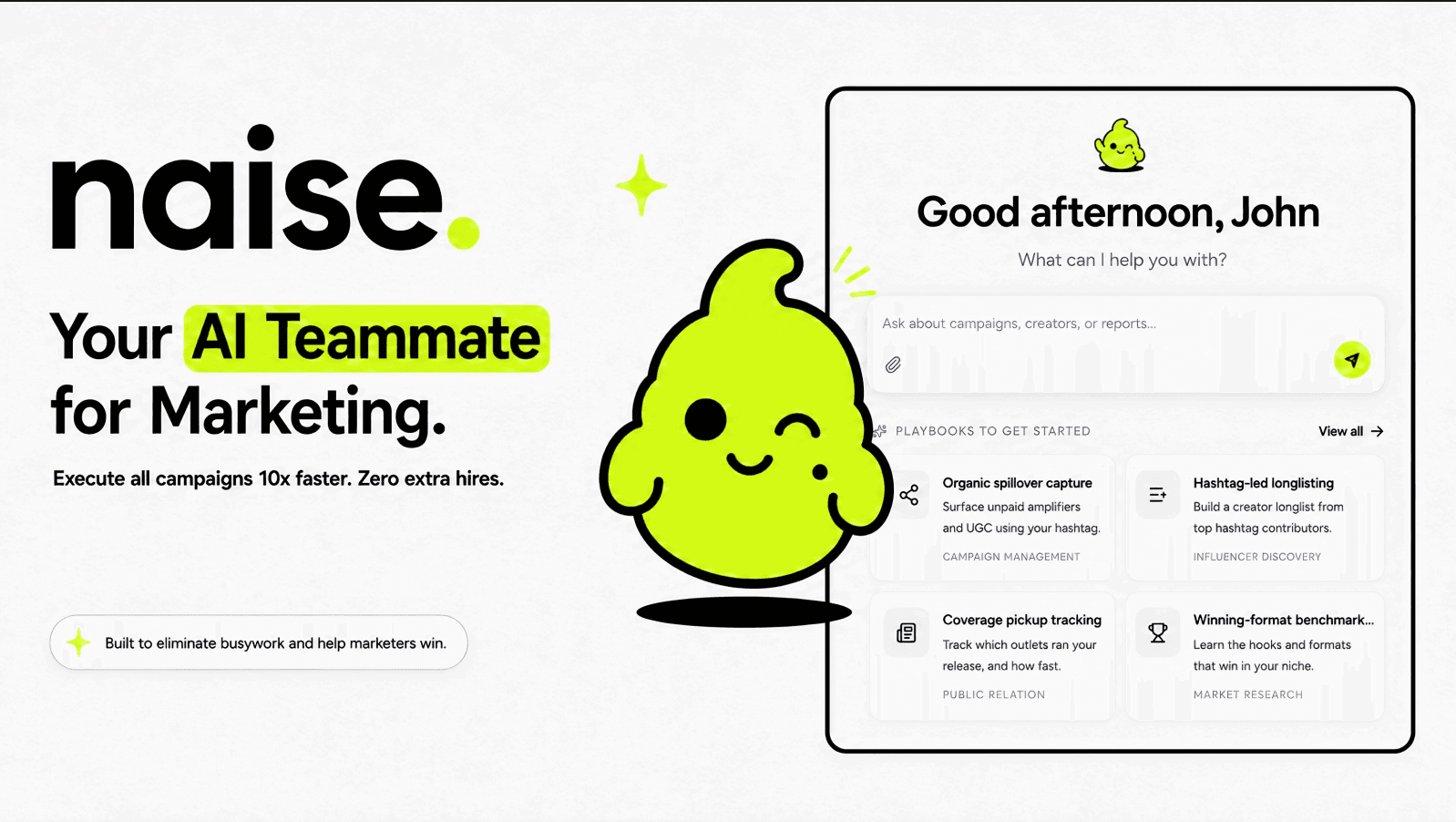
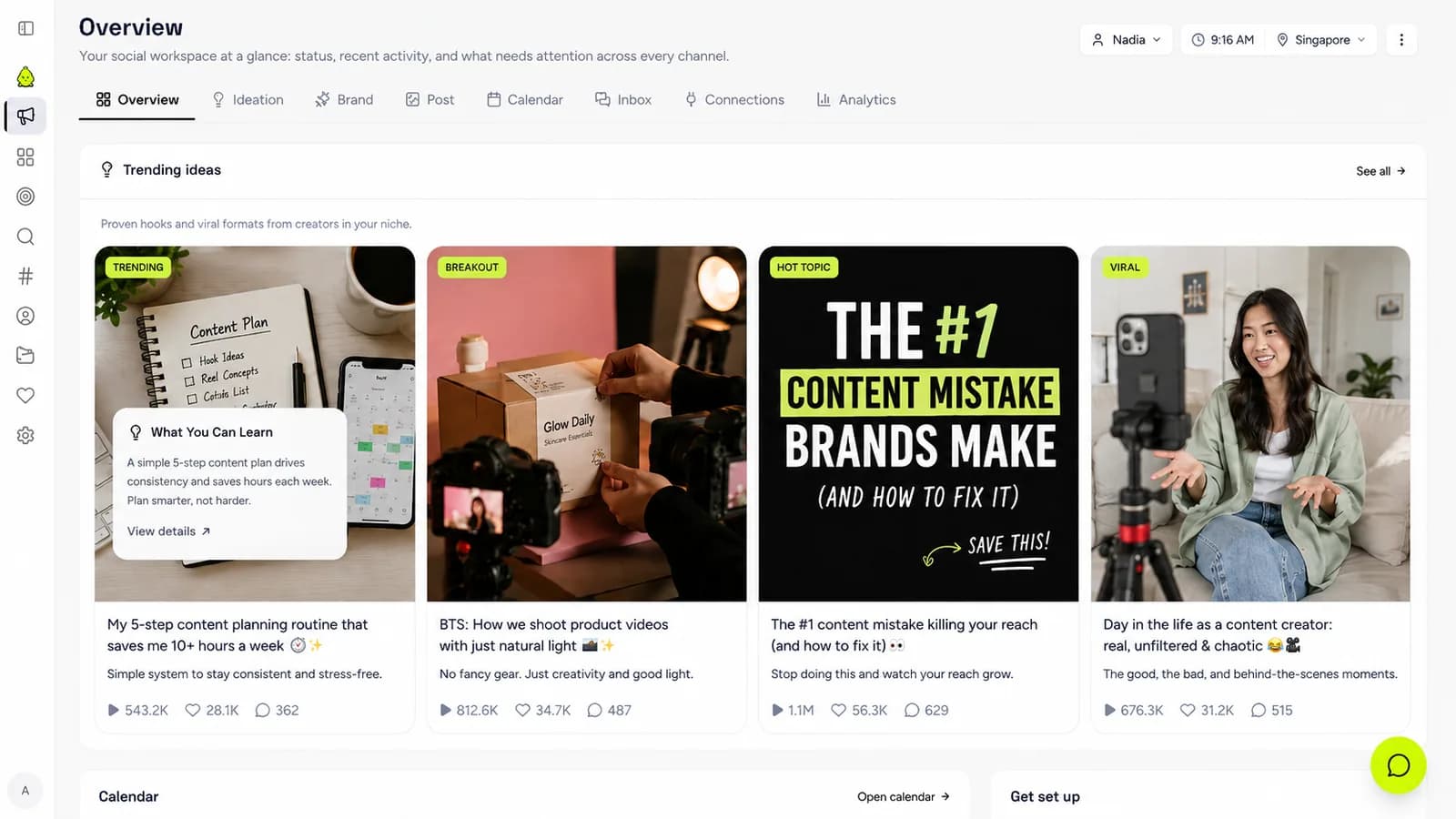
Naise AI allows brands to instantly capitalize on viral trends by using autonomous agents to scrape real-time sentiment and immediately draft aligned PR pitches and social content.
You cannot plan for a terrible animation to become a box-office hit, but you can plan your reaction time. This is where the manual marketing playbook gets shredded. You do not need more staff to monitor the internet; you need an autonomous operator that acts as an extension of your team.
When a trend hits, you need to transition from observation to execution in minutes. Here is how you use Naise AI to hijack a viral moment without the administrative nightmare:
Lock in the Context: Drop the trending links or news articles directly into your Projects folder. Naise instantly understands the nuance of the trend and cross-references it with your established brand voice.
Deploy the PR Agent: Open Naise Chat and select the "Trend Hijacking" Playbook. The PR Agent autonomously drafts formatted, persuasive media pitches connecting your brand to the viral moment, ready to send to journalists.
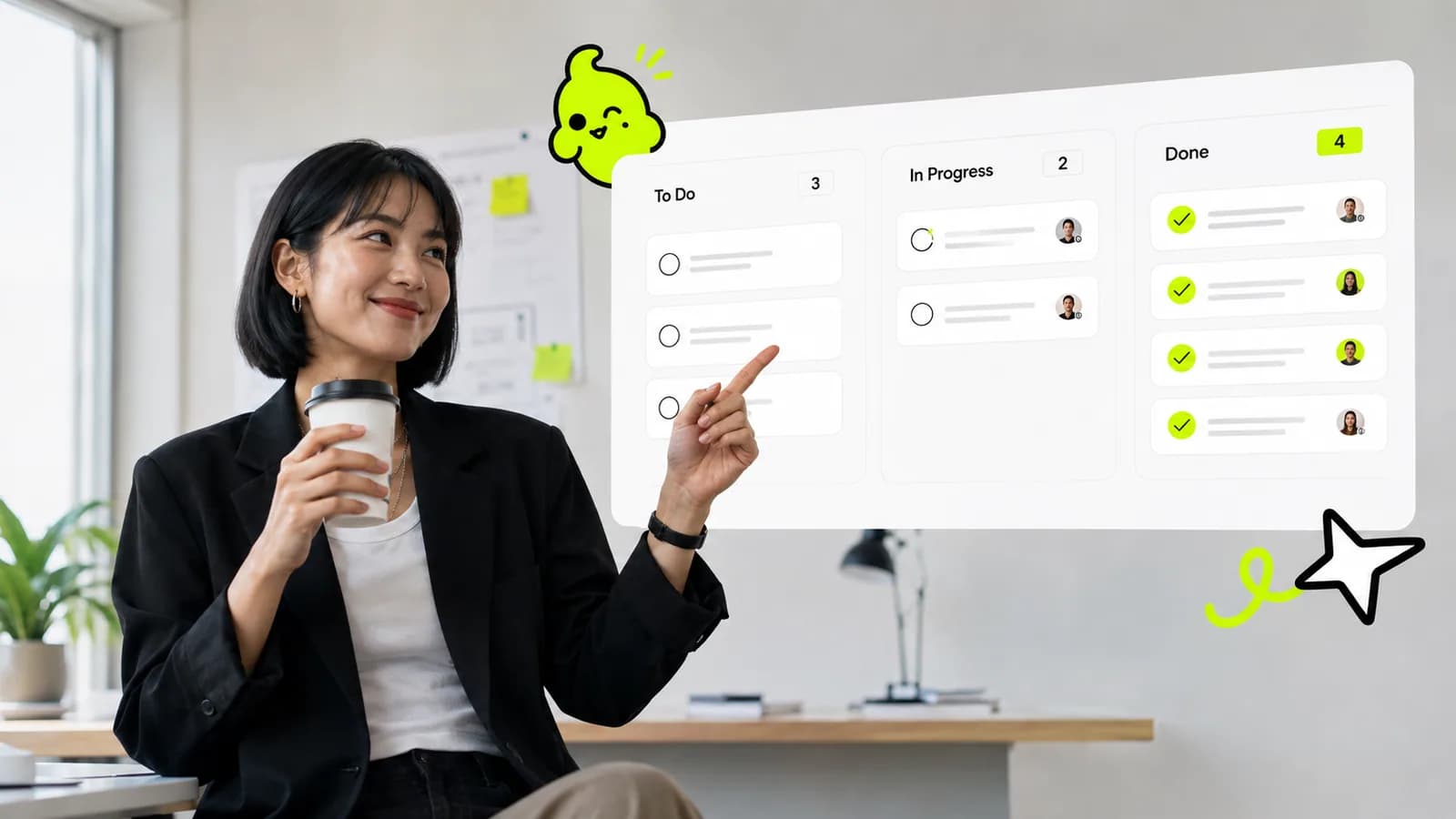
Activate the SMM Agent: Simultaneously, the SMM Agent generates a series of reactive social posts—complete with the correct aesthetic and tone—and queues them for immediate scheduling.
Clock out on time: You review, approve, and let the agents handle the distribution while the momentum is still peaking.
The internet rewards speed and authenticity, not just polish. When a cultural moment erupts—even one as bizarre as a badly animated movie breaking records—the brands that win are the ones that can react instantly. Stop letting your fragmented tech stack slow you down. Let our technology handle the rapid execution so you can focus on steering the strategy.
FAQs
How do brands capitalize on viral trends?
Brands must react swiftly by aligning their messaging with the current audience sentiment. This often requires pivoting away from planned content calendars to participate in the conversation authentically, before the trend fades.
Why do unpolished or 'bad' campaigns sometimes go viral?
Modern audiences often favor authenticity and humor over corporate polish. Unpolished content, like the poorly animated movie, can spark ironic appreciation or community-driven memes, leading to massive, organic user-generated content.
What is the biggest obstacle to trend hijacking?
The biggest obstacle is speed. Traditional marketing teams often rely on manual approvals, fragmented tools, and slow drafting processes, causing them to miss the narrow window of opportunity when a trend is at its peak.
How can AI help with reactive marketing?
Platforms like Naise AI use autonomous agents to rapidly analyze a trend, cross-reference it with a brand's tone of voice, and instantly draft PR pitches and social media content, turning a manual days-long process into minutes.