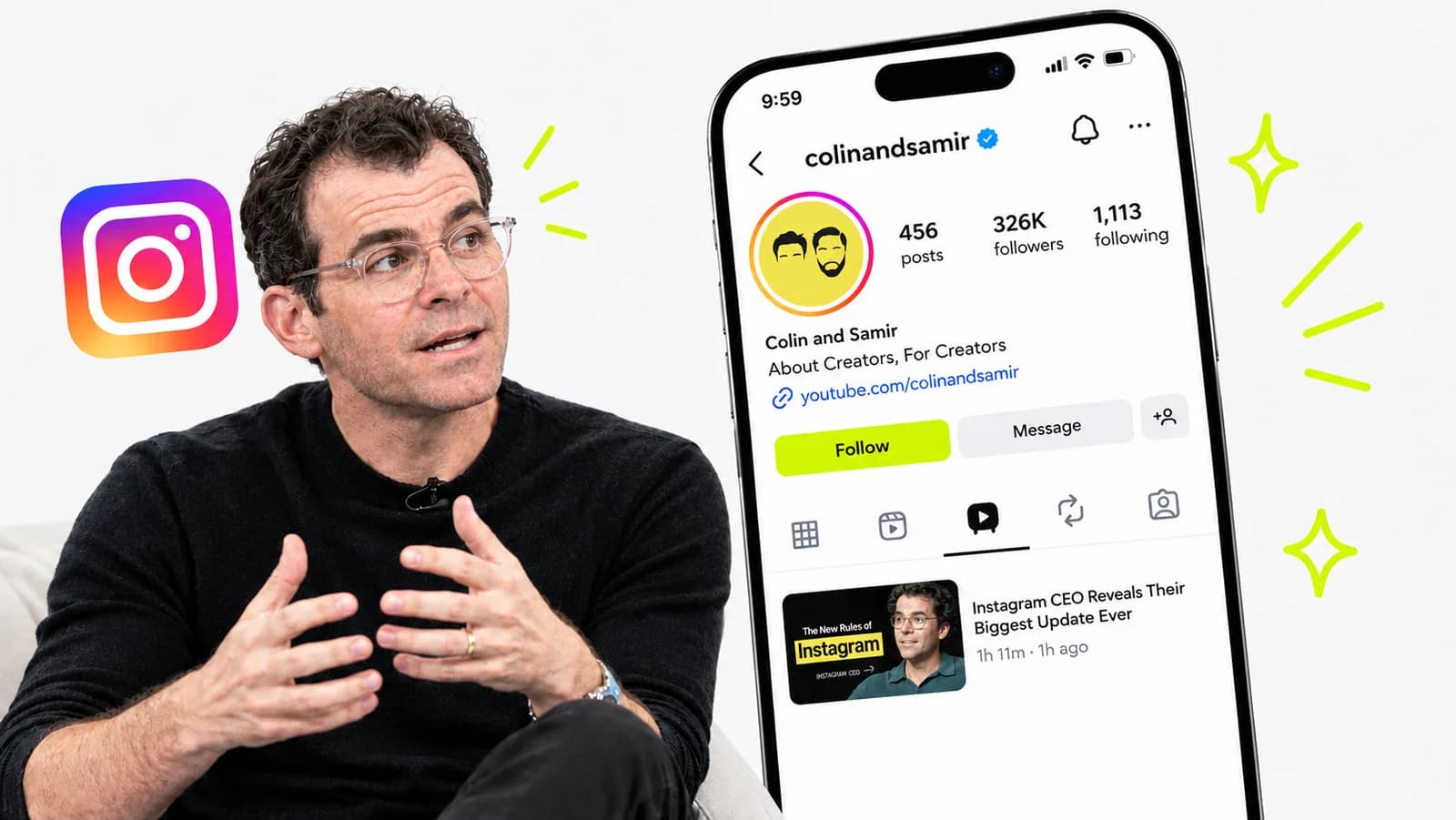
Gen Z is actively ignoring high-budget corporate polish in favor of raw personality, subculture moments, and unfiltered peer creators. To unlock sustainable search visibility and real conversion today, marketing teams must shift from rigid annual campaigns to rapid, culture-first narrative loops. Winning at Gen Z marketing strategies starts by auditing your existing social gaps, ditching prompt fatigue, and using integrated systems that turn real-time cultural signals into ready-to-publish creative assets.
Gen Z Marketing: Why Perfect Ads Flop and Raw Culture Wins Every Time
Let us address the painful truth that marketing leads only whisper during quarterly budget post-mortems. That studio commercial with the cinematic color grade, the paid celebrity cameo, and the three-month legal sign-off? The audience skipped it in 1.4 seconds. If you forced it as an unskippable placement, they mentally blacklisted your account handle before the opening dialogue finished.
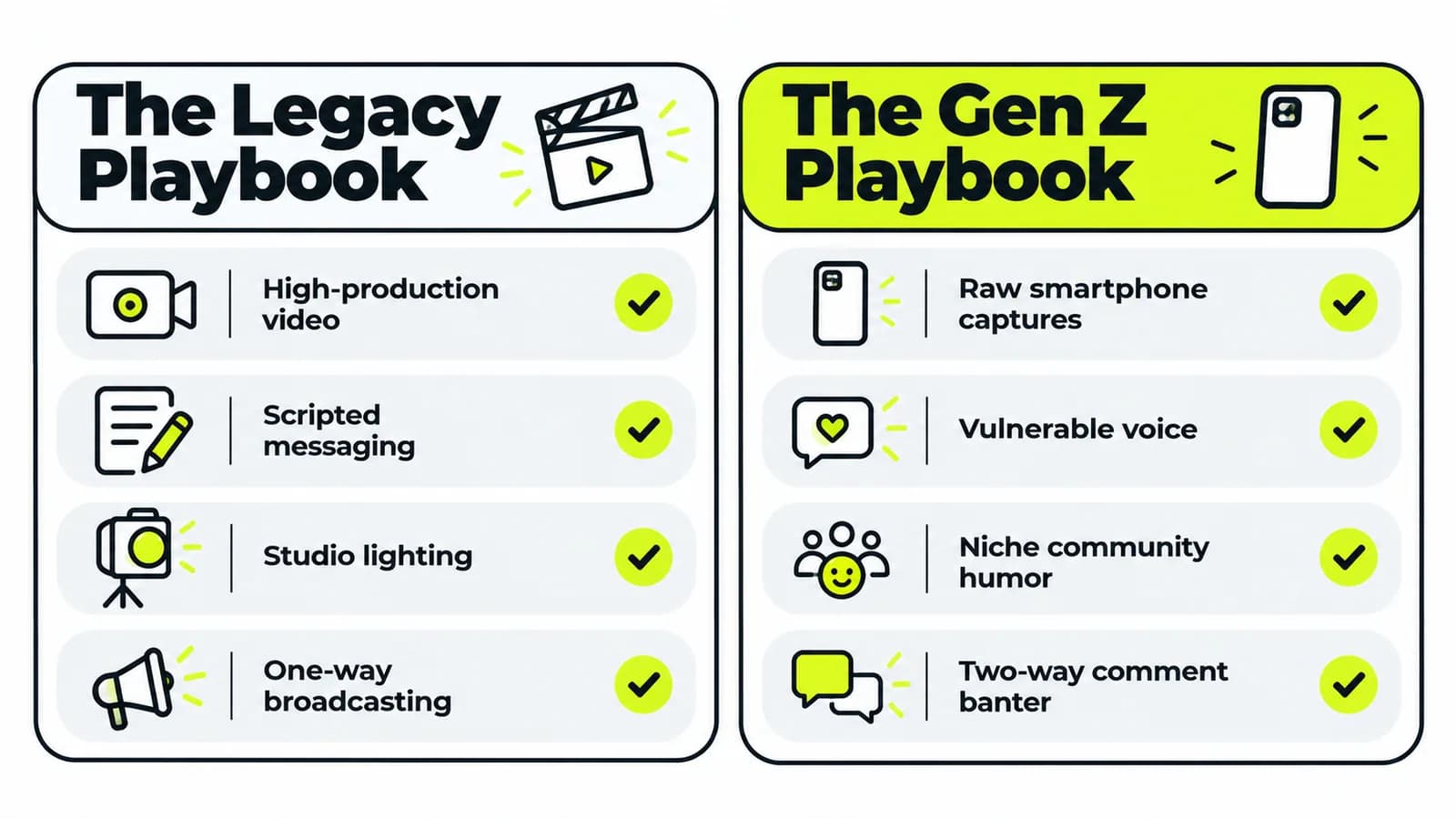
For decades, consumer marketing followed an established playbook. You bought prominent billboard placements, scheduled high-production broadcast slots, secured celebrity endorsements, and projected an immaculate image of corporate aspiration. You told consumers who they wanted to be, and they bought the dream without asking many questions.
Then the digital natives took over the timeline. Today, Gen Z marketing strategies run on an inverted set of operating principles. If a piece of content smells like an executive approval chain, it gets ignored immediately. If a corporate profile tries too hard to hijack youth slang without grasping the community context, it becomes instant roast fodder across group chats and forums. To build real organic traction and brand equity, marketers must finally understand what drives this demographic.
Why Is Traditional Advertising Failing to Connect With Gen Z?
Traditional advertising fails with Gen Z because they possess an instinctive filter against polished sales manipulation, actively prioritizing raw creator transparency and community validation over scripted corporate promises.
Recent research shows that approximately 40–41% of Gen Z consumers now rely primarily on creator recommendations and social search rather than traditional search engines or broadcast ads; in Sprout Social’s 2025 survey, 41% of Gen Z said they turn to social platforms first when looking for information, compared with 32% who use traditional search engines.
Gen Z grew up with algorithms customized to their specific identities. They witnessed the rise of synthetic media, sponsored post disclosures, and heavily staged lifestyle aesthetics. As a direct consequence, their skepticism toward polished corporate messaging is higher than that of any preceding generation.
When a digital native encounters an ultra-slick commercial, their brain processes an immediate warning: an impersonal company is attempting to extract money from their account. High production value no longer signals prestige or trust; it signals distance. They do not want to be lectured by an abstract logo hiding behind a corporate guidelines binder.
Instead, this demographic demands vulnerability and behind-the-scenes reality. They follow brands that acknowledge mistakes, joke about their own product blunders, and engage like real human beings in the comment section. In modern marketing, low-fi smartphone video reliably outperforms cinematic commercials because casual footage conveys authenticity.
How Does Creator Culture Replace the Traditional Funnel?
Creator culture replaces linear marketing funnels by transforming trusted online personalities into immediate discovery, education, and conversion destinations through authentic social validation.
The standard path to purchase used to operate as a predictable linear funnel. A consumer noticed your print ad, read a feature chart on your website, and eventually visited a retail store or scheduled a sales call. That linear journey has dissolved into a fluid, decentralized web of community interactions.
Gen Z does not search for lifestyle answers through broad corporate portals. They search directly inside TikTok, Instagram, and specialized creator subcultures. Whether they need skincare advice, productivity setups, or reliable footwear, they look for proof of concept from independent creators who live their daily realities.
This dynamic means creators are no longer just billboard talent for hire. A focused micro-creator with twelve thousand dedicated followers can trigger more actual sales in a single morning than an unfocused digital ad campaign. These creators maintain direct trust with their peers. When a brand integrates naturally into a creator's existing world without enforcing a rigid script, the audience welcomes the product as useful value.
What Does It Mean for a Brand to Be "Loyal to the Moment"?
Being loyal to the moment means actively tracking real-time cultural shifts and micro-trends, enabling your brand to join emerging conversations before the creative window shuts.
Attention spans today are not necessarily shorter, but they are dramatically more selective. Internet subcultures move at relentless speed. A trending sound, visual meme, or cultural talking point can dominate timelines on a Tuesday morning and feel thoroughly outdated by the weekend.
Recent industry benchmarks suggest that fast-moving viral short-form trends have compressed from roughly 1–3 weeks in 2020 to about 3–5 days from emergence to saturation in 2026, while broader TikTok trends may still remain active for 4–8 weeks. On platforms such as Instagram Reels, peak visibility can now occur within 24–72 hours, making timing, not just creative quality, the decisive factor for joining a conversation while it still has cultural momentum.
Traditional corporate processes are far too slow for this dynamic. Brands spend three weeks writing a creative brief, seven business days routing copy through legal teams, and two weeks finalizing studio edits to join a temporary joke. By the time the asset goes live, the entire conversation has vanished, leaving the brand looking painfully disconnected.
Agile brands take a completely different stance. They maintain consistent core brand positioning while keeping their tactical execution flexible enough to react to emerging discussions, trending formats, and community humor within a few hours.
Why Human-First Storytelling Wins Over Feature Lists
Human-first storytelling succeeds because Gen Z connects with the genuine personalities, challenges, and values of the people building the product rather than cold specification checklists.
When marketing a software application, an e-commerce catalog, or a specialized agency service, the default instinct is to list features. Teams want to highlight technical specs, warehouse logistics, or proprietary workflows. But cold specifications do not stir emotion, and emotion is what sparks action.
Gen Z pays close attention to the humans behind the brand. Who runs the daily social channels? What happens behind closed doors when a release goes wrong? What does the company leadership stand for outside of quarterly balance sheets? Audiences reward companies that introduce their internal staff, share messy desk moments, and speak honestly about the difficulties of building their business.
This human-centric approach turns passive scrollers into long-term community champions. When your company tells honest human stories, you transform an impersonal brand entity into an approachable group of people solving real problems together.
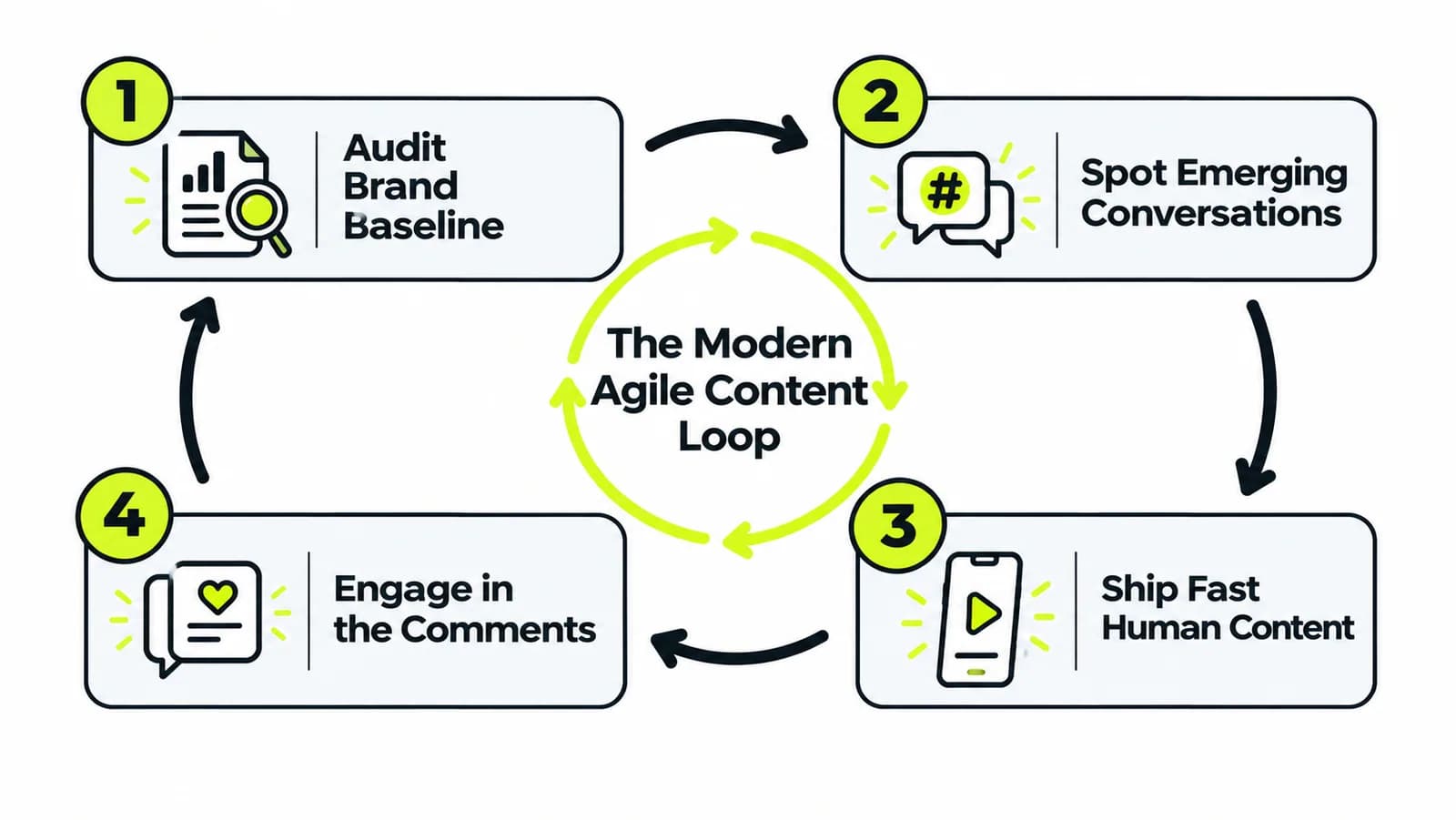
Diagnosing Your Brand: Why Every Strategy Starts with a Social Audit
Running a social audit reveals critical mismatches between what your brand publishes and what your audience actually engages with, providing empirical data to guide your creative pivots.
Before jumping blindly into trending sounds or launching new creator partnerships, marketing teams must understand where their existing content misses the mark. Most teams operate on internal assumptions rather than audience data. You might assume your educational carousels carry your account, while your followers actually crave spontaneous founder commentary.
This is where a systematic diagnostic changes the playing field. Instead of guessing why an account stagnates, modern operators use automated diagnostics to examine content performance across clear parameters:
Content Pillar Strength: Identifies topic imbalances by comparing how often you post about a subject against the actual engagement it generates.
Format Fit: Pinpoints whether your audience prefers quick vertical video over multi-slide carousels.
Profile Clarity: Evaluates your bio, niche, and value proposition to confirm new profile visitors immediately understand your focus.
Engagement Health: Measures meaningful interactions against industry benchmarks rather than vanity impressions.
Posting Consistency: Tracks your publishing rhythm over multi-week windows to uncover silence gaps that damage distribution reach.
Uncovering these structural issues gives your team an objective starting line. Once you see why your profile underperforms, you can stop wasting creative hours on formats that generate zero interest.
How Modern Teams Execute Cultural Marketing Without Burnout
Modern marketing teams execute culture-first strategies by replacing disconnected tools with unified workflow engines that turn audience audits into ready-to-publish content calendars.
The biggest hurdle for lean marketing teams is rarely a lack of creative ideas. It is the overwhelming burden of daily execution. Keeping pace with culture requires constant social listening, script drafting, asset generation, and community replies across multiple platforms simultaneously.
Most teams tackle this challenge with a fragmented stack. They review performance in separate analytics apps, paste messy prompts into generic text generators, copy draft captions into spreadsheets, and log into isolated schedulers. This disjointed process results in severe prompt fatigue, operational delays, and creative exhaustion.
This is where adopting an integrated marketing teammate resets your entire production speed. Rather than constantly patching together separate tools, forward-thinking teams streamline their workflow inside Naise AI:
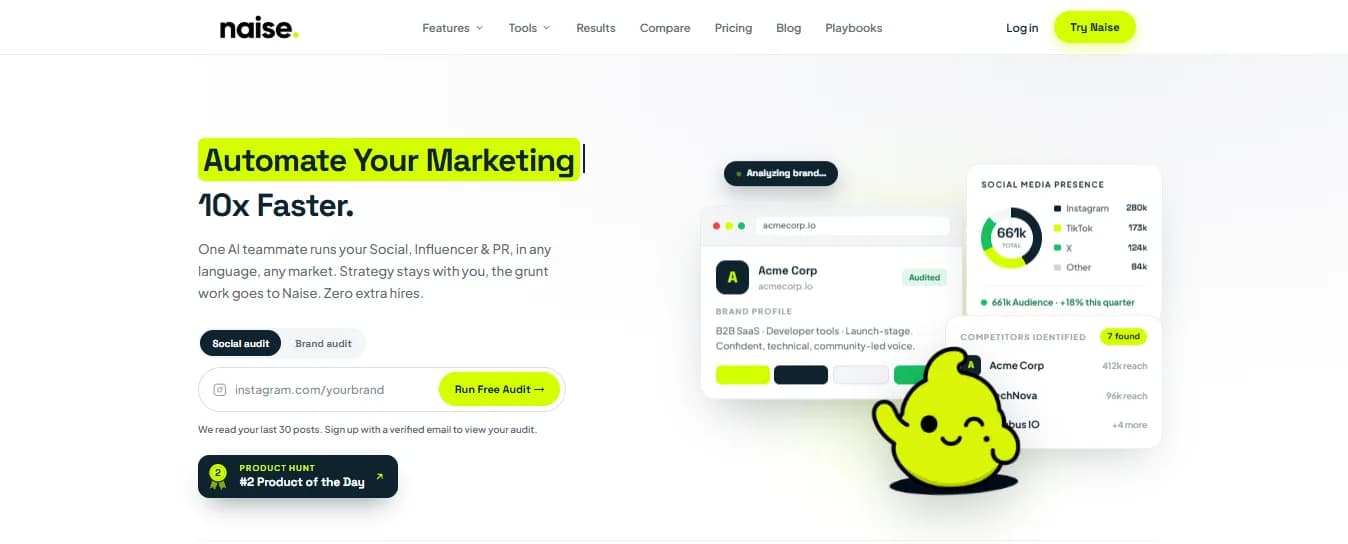
The Audit: You paste your Instagram profile URL or competitor handle to instantly diagnose performance across the 5 core pillars, uncovering exact content mismatches and discovering viral formats in your niche.
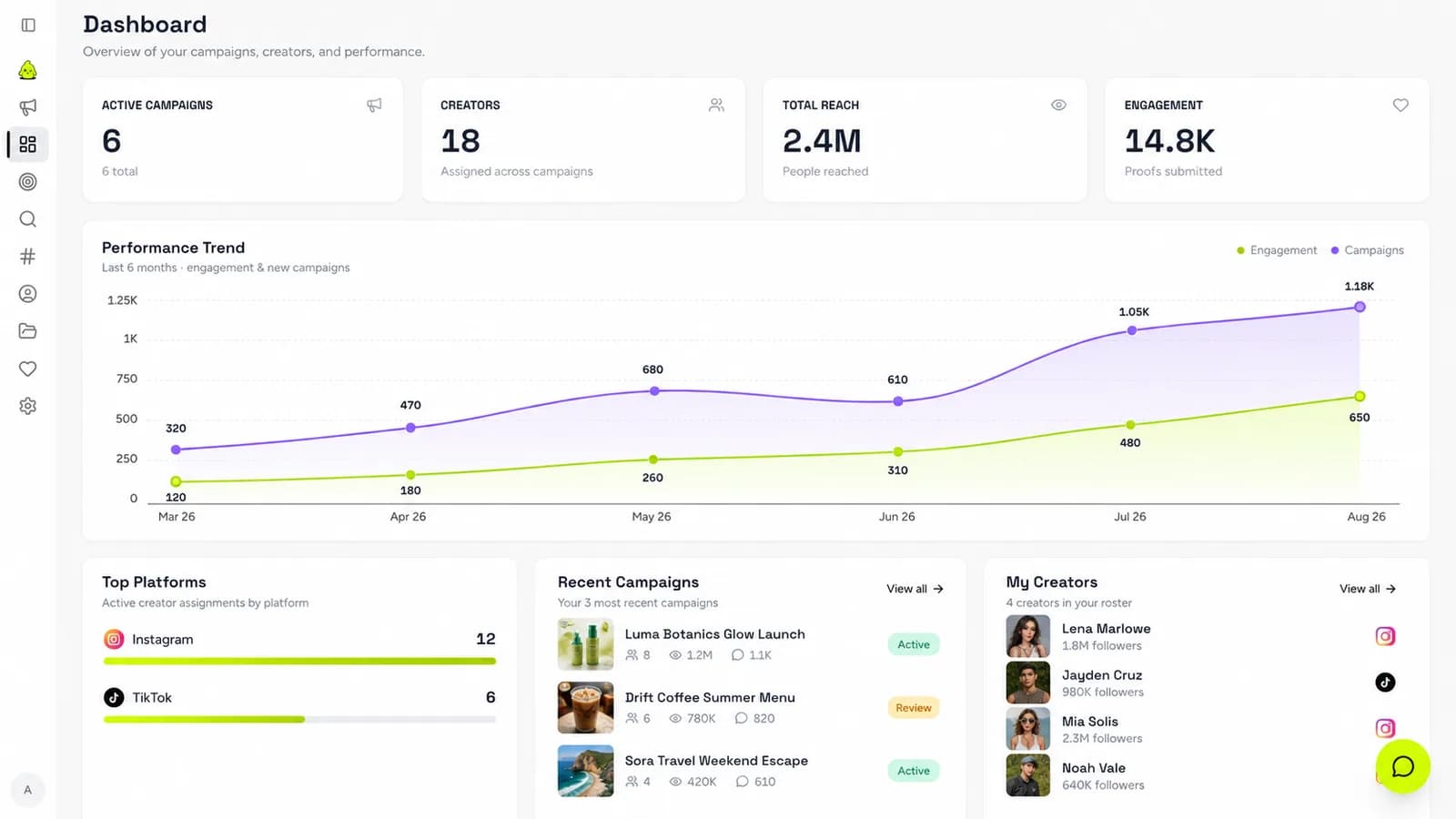
The Dashboard: Serves as your central command desk, giving your team complete visibility over ongoing campaigns without toggling across ten different browser windows.
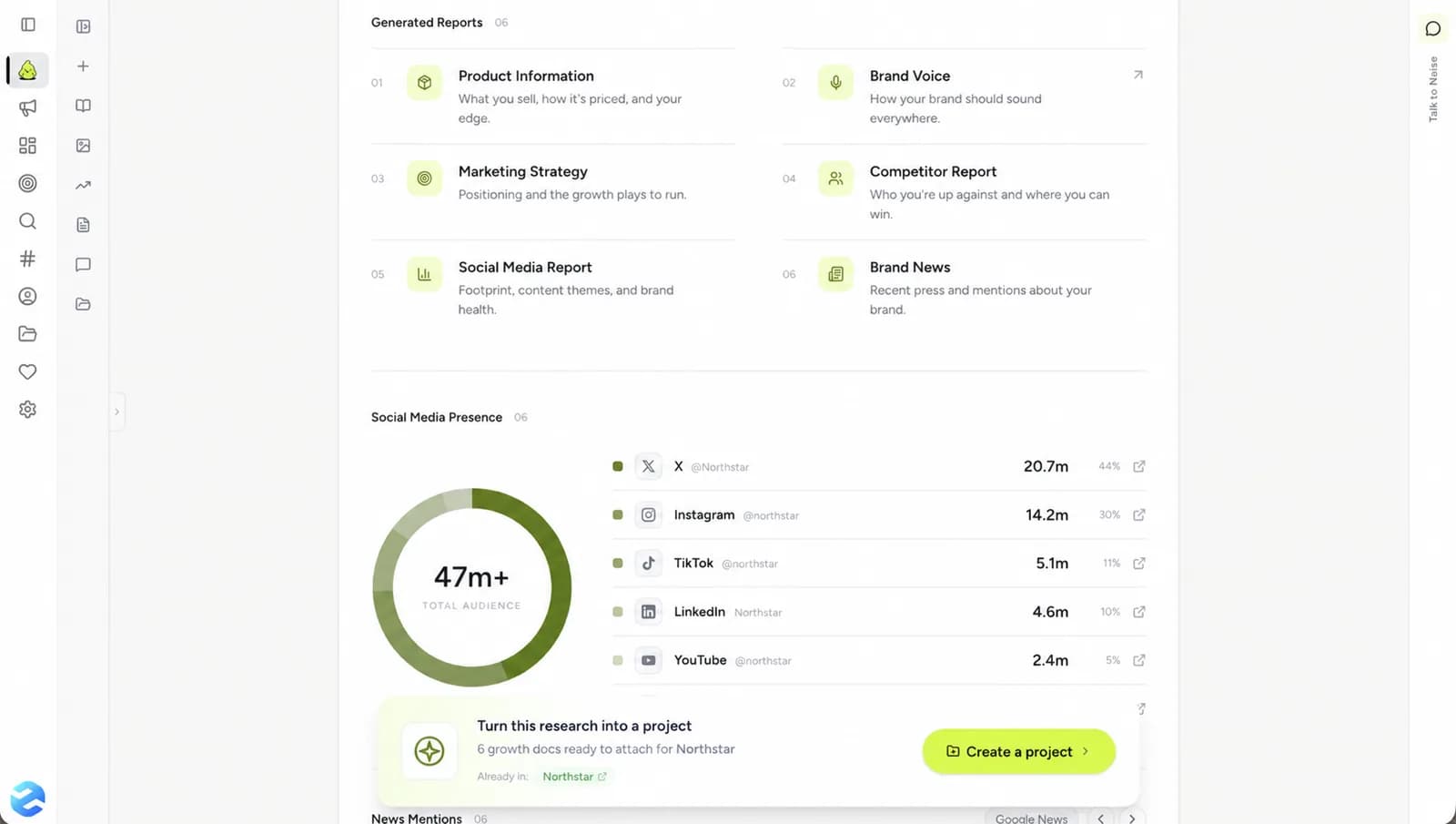

Projects: Acts as persistent memory for your brand. You store your guidelines, target audience profiles, and visual parameters once, ensuring all generated copy matches your natural tone without robotic outputs.
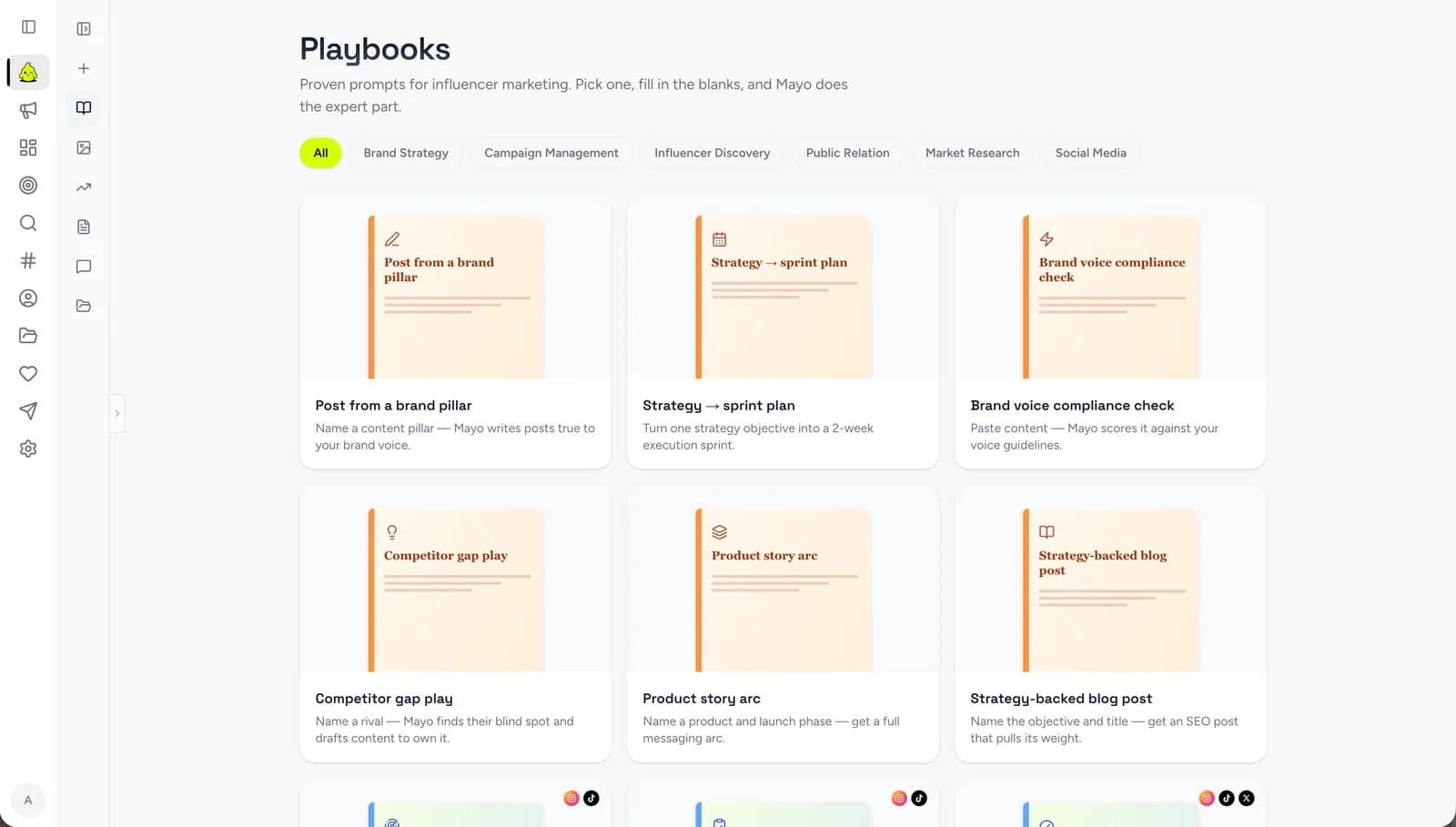
Playbooks: Solves the blank-page dilemma with pre-built prompt strategies engineered to turn emerging cultural conversations into structured carousels, video scripts, and high-impact hooks.
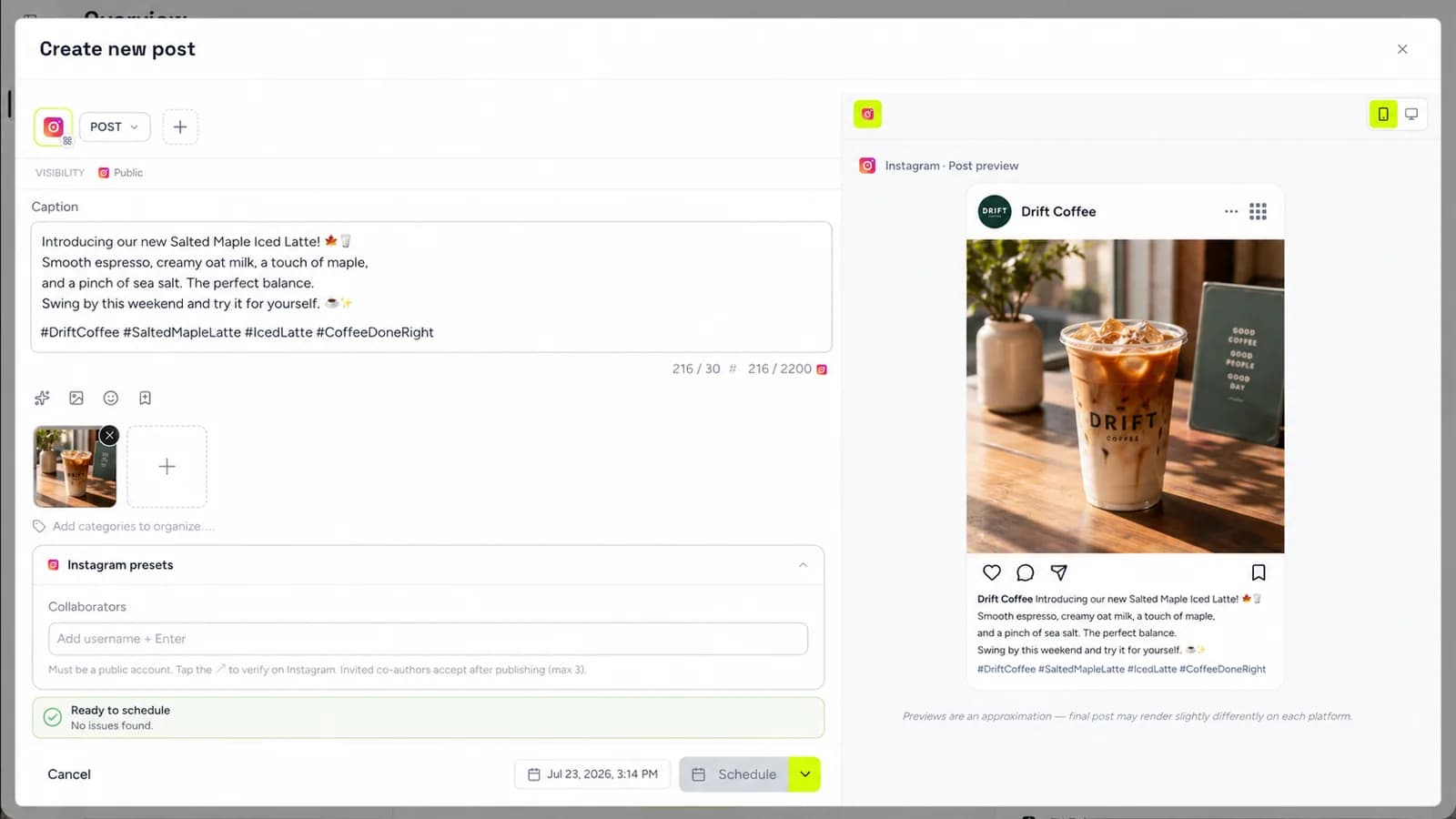
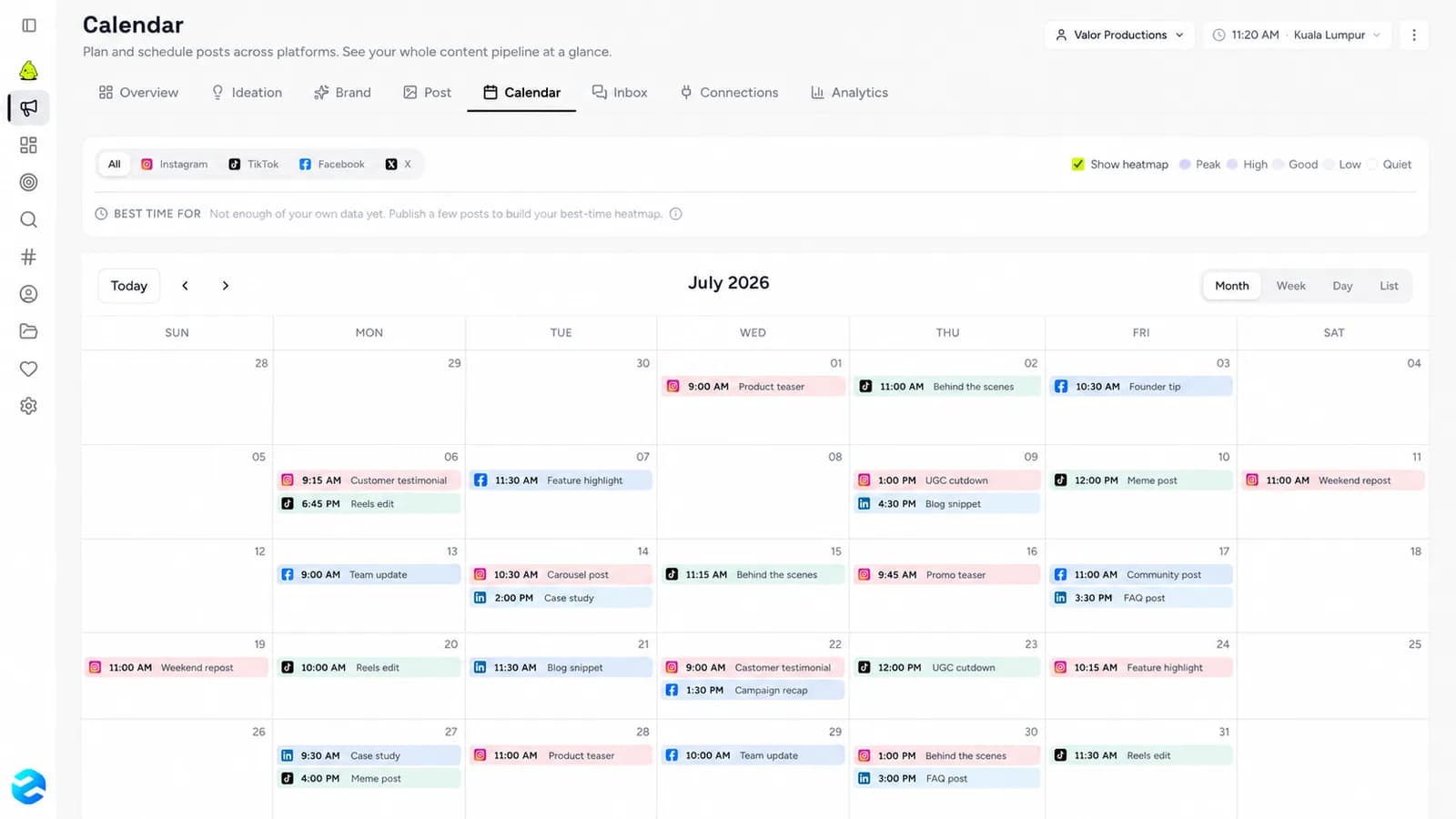
Autonomous Agents: Specialized AI coworkers handle the time-consuming production. The Social Media Agent crafts tailored captions and organizes publishing schedules, the Influencer Agent identifies relevant creators by engagement rate, and the PR Agent tracks live conversations for quick trend hijacking.
By using an intelligent diagnostic and execution flow, your team can trade manual operational chaos for agile cultural marketing that resonates with digital natives.
Stop Selling, Start Connecting
Gen Z does not despise marketing. They despise dishonesty, friction, and corporate posturing. They look for brands that grasp internet culture, respect creators, and communicate with an authentic, relatable human voice.
If your team is ready to ditch obsolete corporate commercials and build genuine brand presence on the modern feed, start by identifying what your profiles actually need. Run your diagnostic, streamline your execution, and start publishing at the real speed of culture.
FAQs
What is the most effective social media platform for Gen Z marketing?
TikTok and Instagram remain the primary discovery platforms for Gen Z, particularly through vertical short-form video. However, niche community channels such as Discord, Reddit, and specialized YouTube spaces play a critical role in cultivating long-term brand loyalty and authentic peer discussions.
How often should brands post to stay relevant with Gen Z?
Consistency and context matter far more than sheer publishing volume. Delivering 3 to 5 high-context, authentic pieces of content per week that directly participate in real cultural conversations yields far better reach and engagement than publishing generic updates every day.
Can B2B companies successfully use Gen Z marketing tactics?
Yes. B2B purchasing teams increasingly consist of younger professionals who evaluate software and agency services through the same content habits they use as retail consumers. B2B brands that embrace authentic behind-the-scenes content, witty commentary, and bite-sized educational carousels consistently outperform formal, dry corporate competitors.