What Qualifies as True All in One Marketing Tools for Small Business?
A genuine all-in-one platform combines core database management, multi-channel automated campaigns, page builders, native messaging, and transaction pipelines inside a single unified interface.
Many software vendors abuse marketing labels to sell basic software packages. You will frequently see dedicated email tools market themselves as complete operational hubs, forcing you to patch together third-party add-ons later.
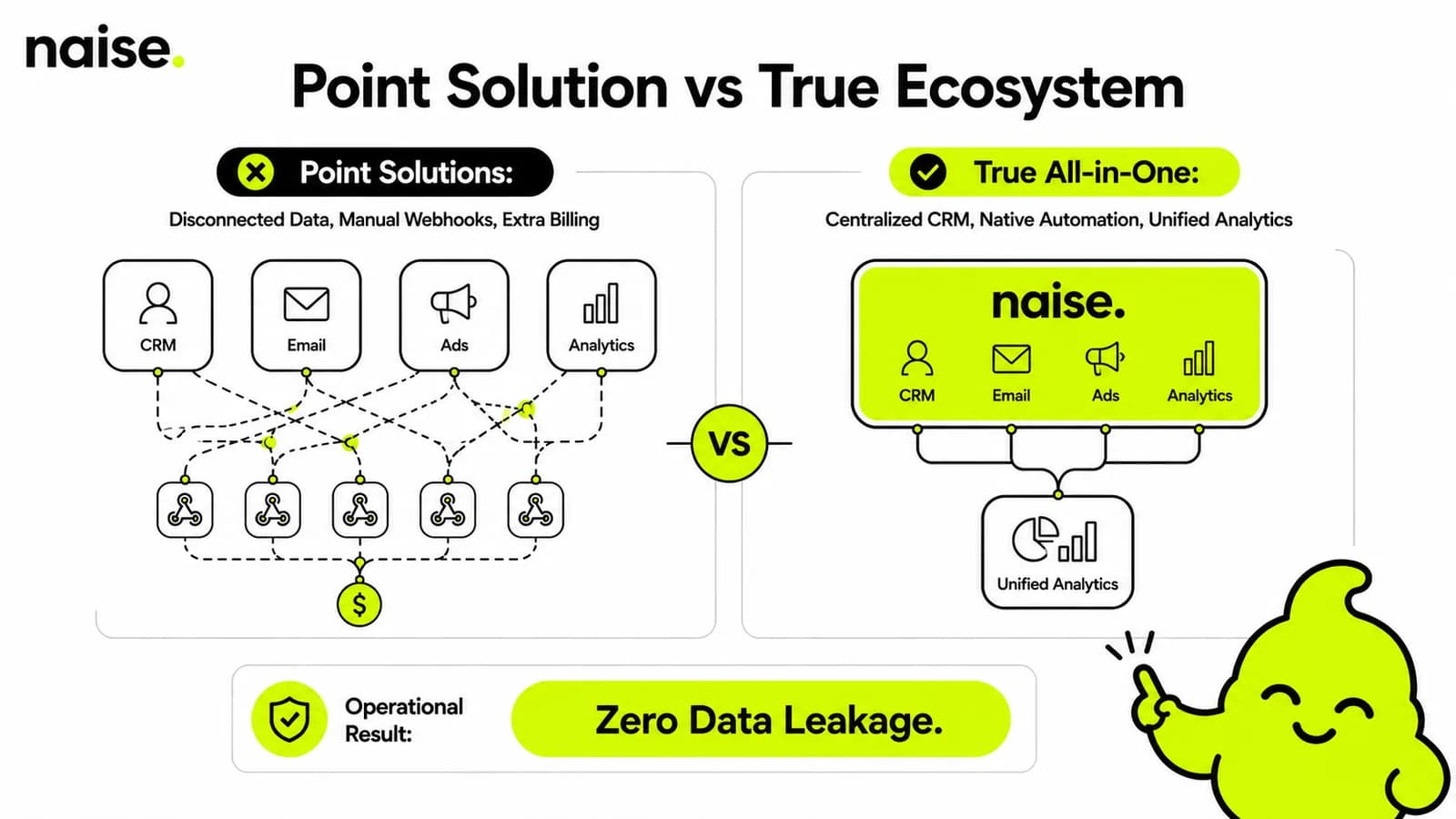
To avoid falling into a fragmented stack, your business must distinguish basic point solutions from full operational suites:
Pseudosolutions and Mislabeling: Software like Mailchimp or Brevo excels at standard broadcast delivery, but they lack built-in pipeline management, native billing, and deep operational tracking.
True All-in-One Architecture: A full platform natively connects your customer relationship management (CRM) system directly to landing page builders, multi-channel messaging, payment collection, and automated lead triage.
Data Continuity: When your lead data lives in one central engine, you eliminate broken webhooks and manual data export cycles between disconnected databases.
If your software requires export spreadsheets just to sync customer tags, you are using a point solution, not an integrated ecosystem.
The Hidden Financial Traps of Legacy Marketing Platforms
Legacy software pricing models often hide steep tier bumps, mandatory setup consultations, and third-party API usage fees that double your software expenses.
Software pricing pages look inviting until your contact list actually grows. A tool listed at thirty dollars a month can quickly scale into a thousand-dollar monthly overhead expense once you cross specific database thresholds.
A 2025 Freshworks survey of 700 professionals found that 20% of software budgets are wasted on unnecessary business complexity, which includes redundant features, over‑provisioned tiers, and add‑ons that don’t deliver proportional value.
Before committing your operational budget, evaluate these common hidden expenses:
Contact Scaling Penalties: Enterprise platforms like HubSpot enforce steep tier jumps as soon as your audience scales, turning rapid business growth into a financial penalty.
Mandatory Onboarding Fees: Certain enterprise systems require mandatory white-glove setup packages costing thousands of dollars before granting full dashboard access.
Third-Party Middleware Costs: Platforms like GoHighLevel often require separate accounts with Twilio for SMS or Mailgun for transactional delivery, adding unpredictable usage bills each month.
Understanding the total cost of ownership prevents unexpected billing surprises during peak sales quarters.
Overcoming the "Shelfware" Risk and Technical Friction
Software becomes shelfware when excessive technical complexity prevents non-technical business owners and lean teams from executing daily campaigns.
Buying powerful software is useless if your team lacks the technical bandwidth to configure it properly. Many business owners buy expensive software suites only to leave ninety percent of the features untouched.
Team adoption drops significantly when platforms require custom coding or complex logic maps just to deploy a basic campaign.
Implementation Friction: Complex visual workflow builders often require dedicated administrative hires, increasing your labor overhead.
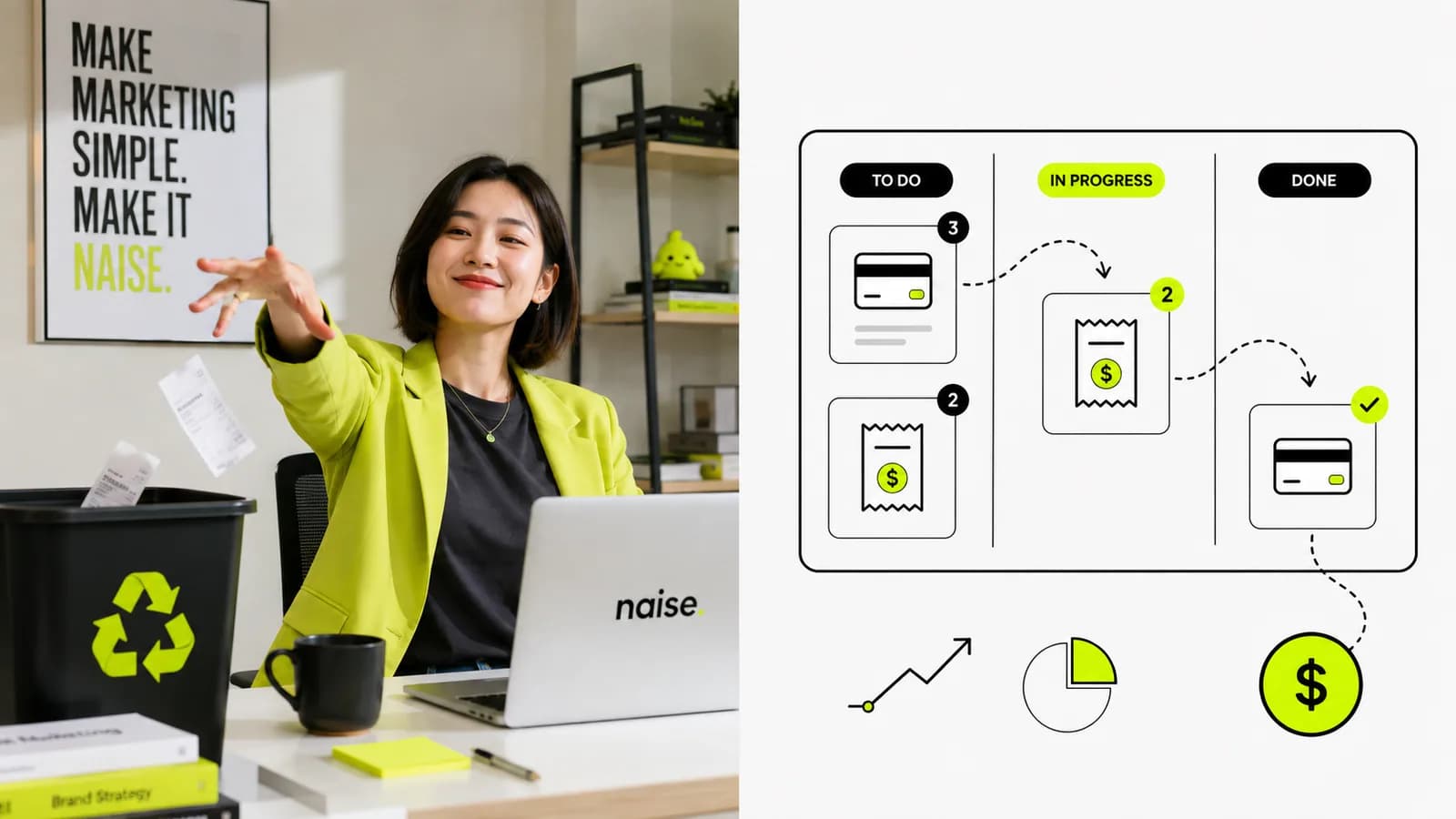
Maintenance Burden: Constantly troubleshooting broken integrations between software tools steals focus away from core business strategy and creative direction.
Prompt and Template Exhaustion: Early generation software forces teams to draft complex instructions from scratch, leading to operational fatigue and inconsistent execution.
Software should remove administrative overhead, not create a secondary job for your marketing team.
Operational Realities: Regional Compatibility and Compliance
Global business operations require native support for regional messaging preferences like WhatsApp alongside strict data privacy compliance standards.
Evaluating software solely on North American benchmarks often leaves international teams stranded. Customer communication habits vary heavily across different target markets and regional territories.
Keep these operational requirements in mind during your evaluation:
Channel Preference: Audiences outside North America heavily prefer WhatsApp communication over standard SMS channels, requiring native API integration rather than clunky workarounds.
Localized Payment Gateways: Your platform must integrate with dominant regional payment processors beyond basic standard credit card options.
Data Sovereignty: Modern operations require strict compliance with regional consumer protection rules like GDPR and local data residency standards.
Choosing software that respects local channel preferences leads to significantly higher conversion rates across global markets.
Modern 2026 Benchmarks: AI Workflow Automation and Autonomous Lead Triage
Next-generation software platforms utilize native artificial intelligence to evaluate user context and execute multi-channel campaigns autonomously.
Evaluating platforms based on static email drag-and-drop builders is an outdated strategy. Modern benchmarks center on context-aware automation, instant response systems, and autonomous execution layers.
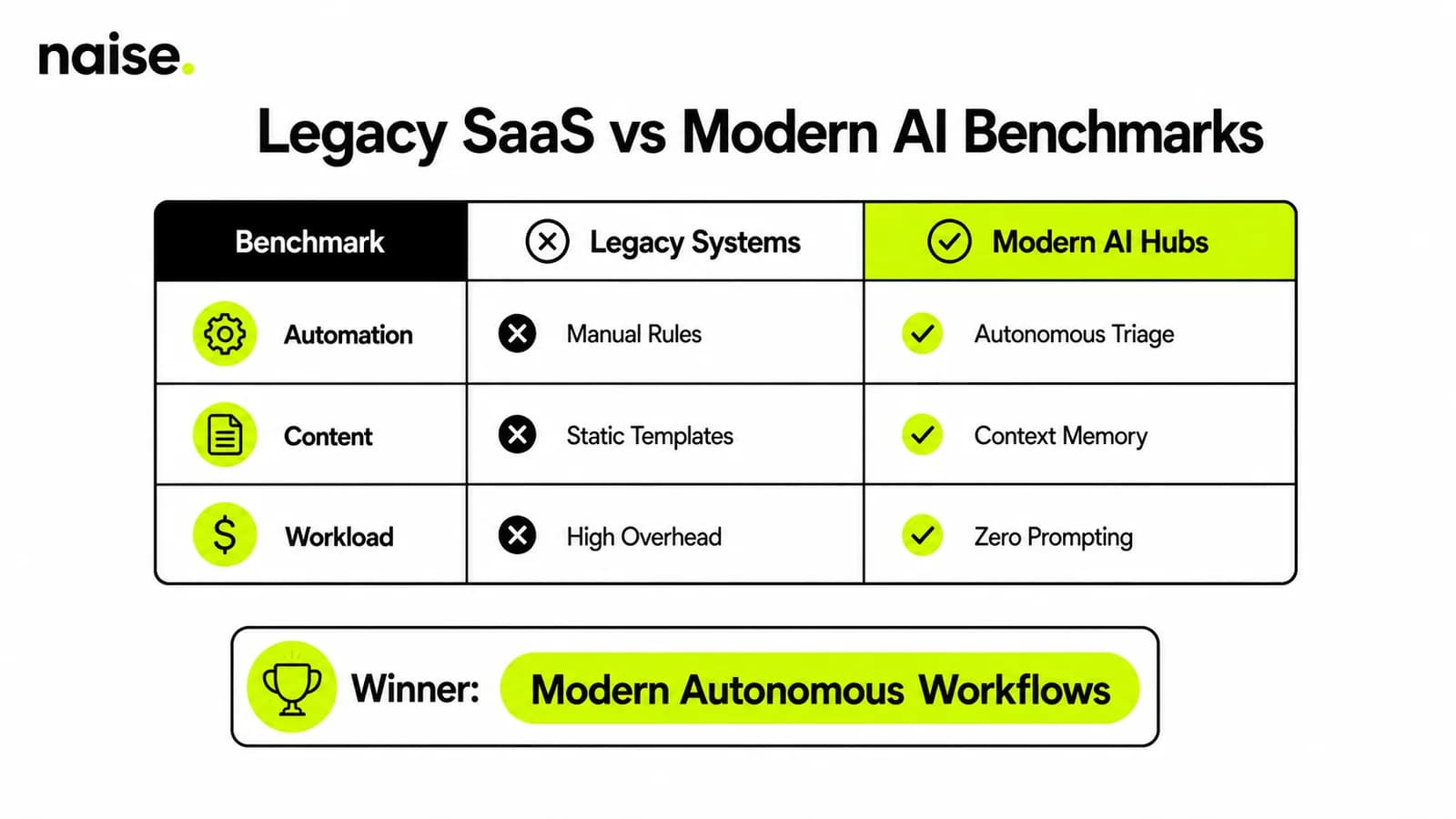
Legacy Stack vs Modern Autonomous Marketing Stack
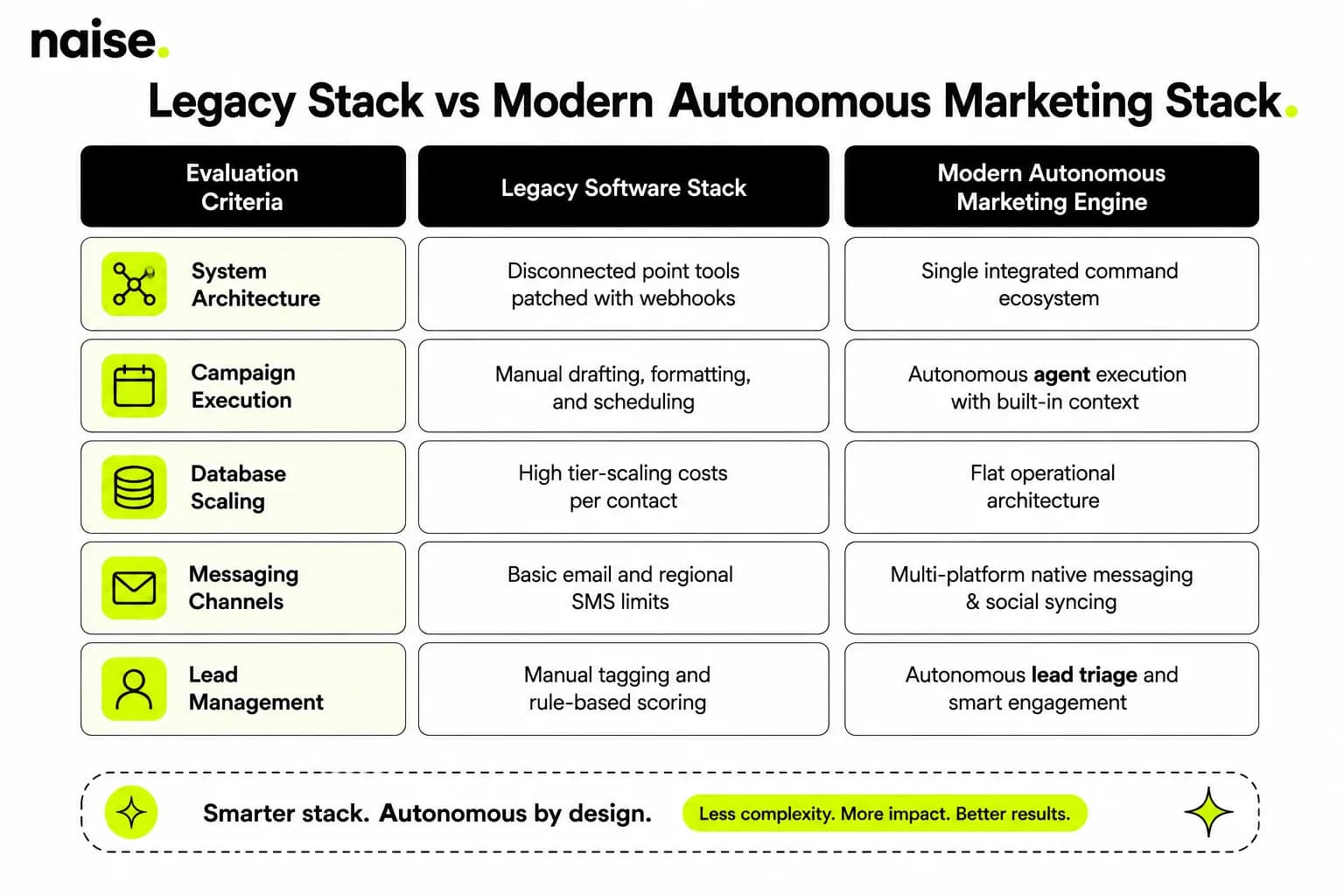
Modern platforms eliminate operational friction by handling repetitive administrative work while keeping human strategists firmly in control.
How Naise AI Eliminates Tool Fatigue and Executes Campaigns 10x Faster
Naise AI acts as your dedicated autonomous marketing team, connecting brand memory directly to expert execution agents.
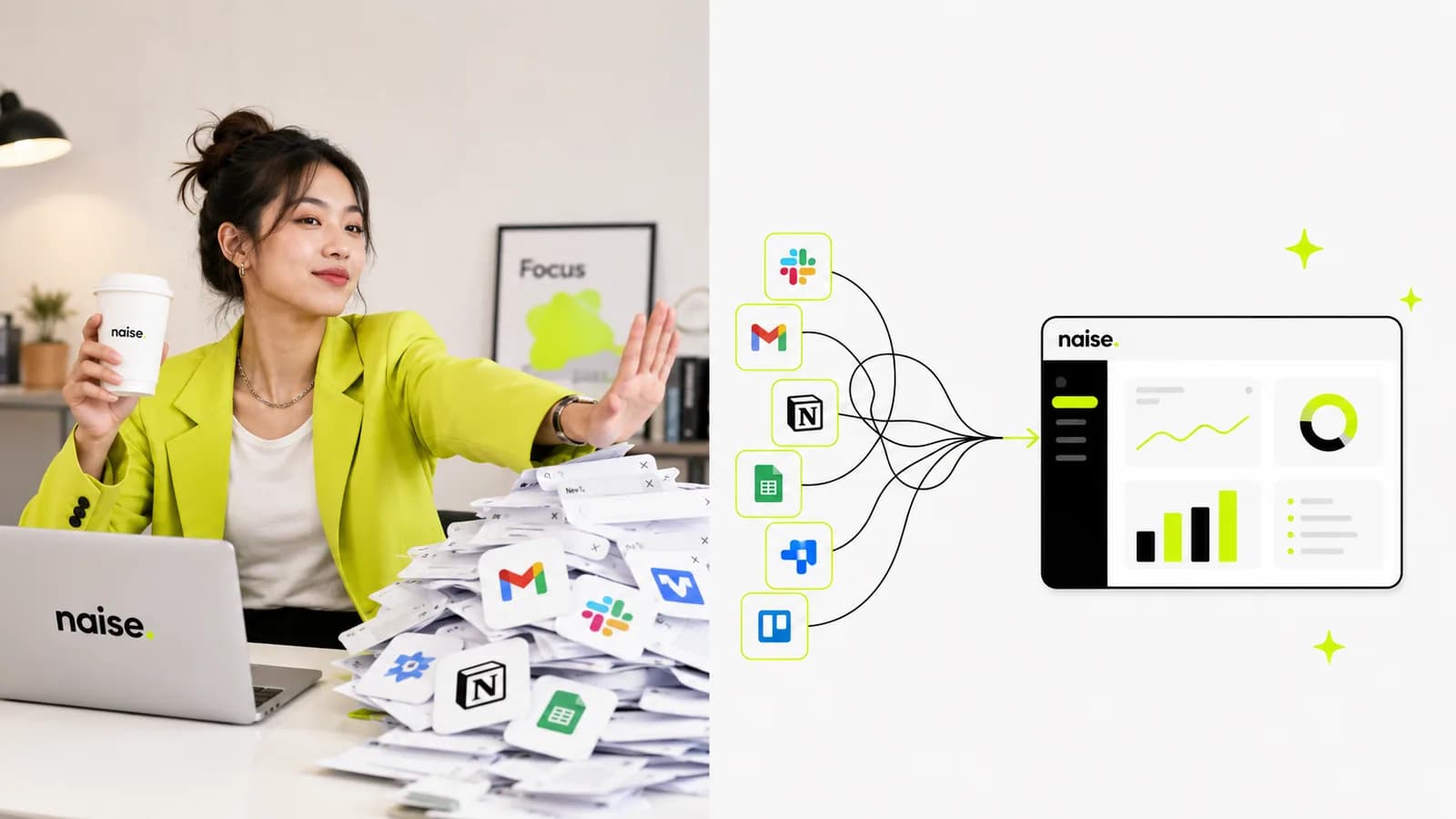
Instead of paying for a fragmented software stack or wasting hours pasting context between different browser tabs, Naise AI unifies your entire growth pipeline into a single intuitive interface.
You can transition from complex campaign planning to live multi-channel execution in four straightforward steps inside the Dashboard:
Establish Brand Memory in Projects: Upload your persistent brand assets, guidelines, and target buyer profiles into Projects. Naise AI stores this context permanently, ensuring your brand voice stays consistent across every deliverable.
Access Central Command via Naise Chat: Open Naise Chat to command your entire marketing operation. Simply state your campaign goal without writing convoluted prompts or technical instructions.
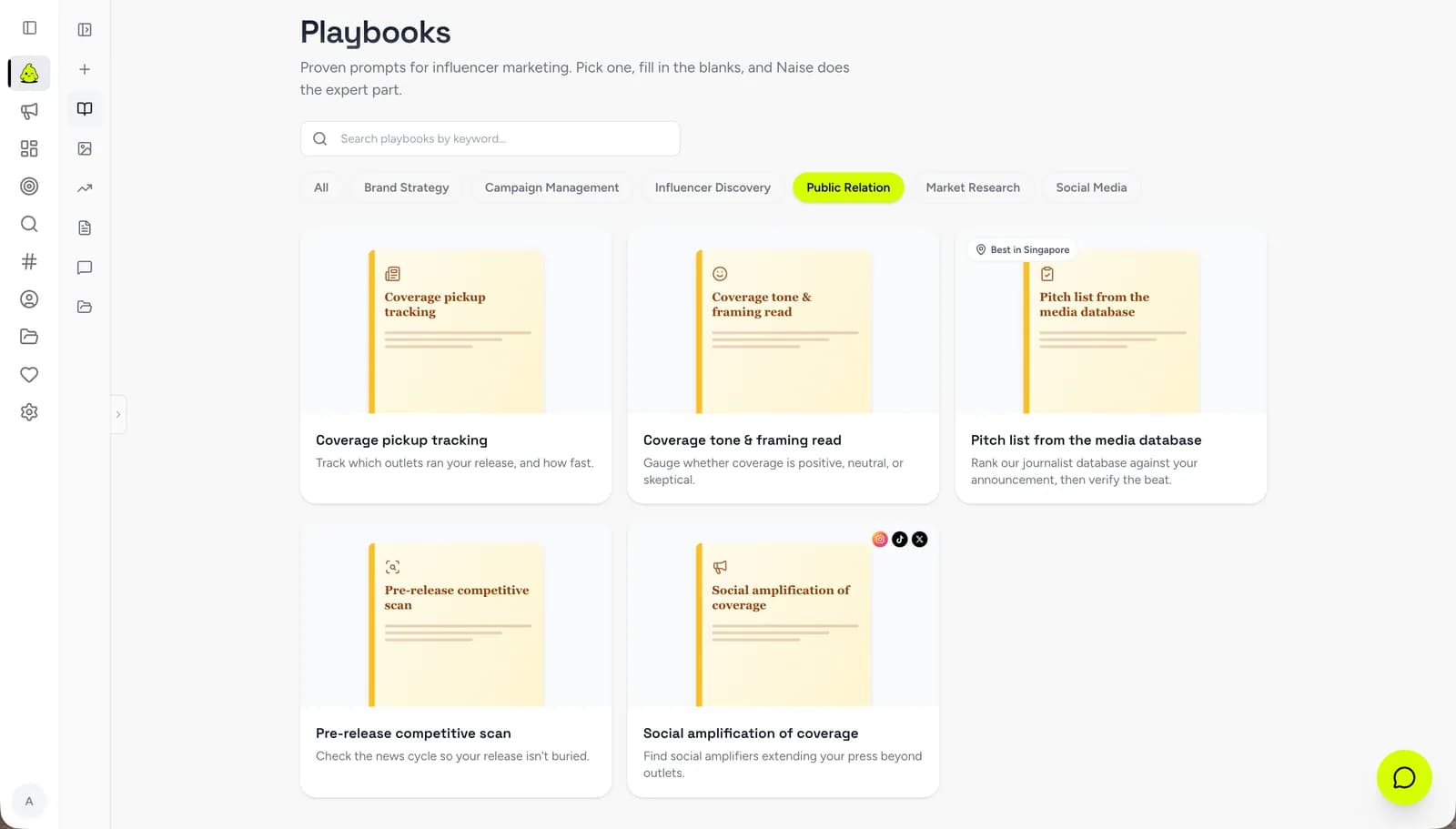
Select Expert Playbooks: Choose pre-configured Playbooks built specifically for strategic campaign objectives. These templates eliminate prompt fatigue and turn strategic concepts into actionable execution plans instantly.
Deploy Autonomous Execution via SMM Agent: Hand off your content workload directly to the SMM Agent. The agent locks in your brand identity, drafts platform-native visual and text assets, and manages direct autopost scheduling without manual intervention.
Stop letting fragmented tools and unexpected software pricing ruin your team's operational momentum. By choosing software that prioritizes unified data, clear operational costs, and native autonomous execution, your business can scale marketing output without expanding administrative headcount.
Ready to see how your brand stacks up across modern growth channels? Claim your free analysis in under a minute and let Naise AI streamline your daily marketing workflow.
Frequently Asked Questions (FAQs)
What is the main difference between an email marketing tool and a true all-in-one marketing platform?
An email marketing tool focuses strictly on drafting and sending email broadcasts or basic sequences. A true all-in-one marketing platform integrates customer relationship management, page builders, pipeline management, multi-channel messaging, payment gateways, and automated lead triage within a single central database.
Why do software costs increase unexpectedly for growing small businesses?
Many traditional software platforms charge based on database size or subscriber contacts. As your contact list grows, software vendors push your account into higher pricing tiers, which can dramatically increase monthly overhead expenses alongside optional fees for third-party messaging integrations.
How does artificial intelligence replace traditional manual marketing workflows?
Modern platforms use artificial intelligence to maintain persistent memory of your brand voice and guidelines. Rather than manually drafting, formatting, and scheduling content across disconnected software tools, autonomous agents generate platform-native assets, triage leads, and manage distribution workflows automatically.
Can non-technical business owners manage modern marketing platforms without developers?
Yes. Modern platforms eliminate complex coding logic and prompt fatigue by using pre-configured campaign strategies and intuitive command interfaces, allowing business owners to run sophisticated campaigns without technical development resources.