
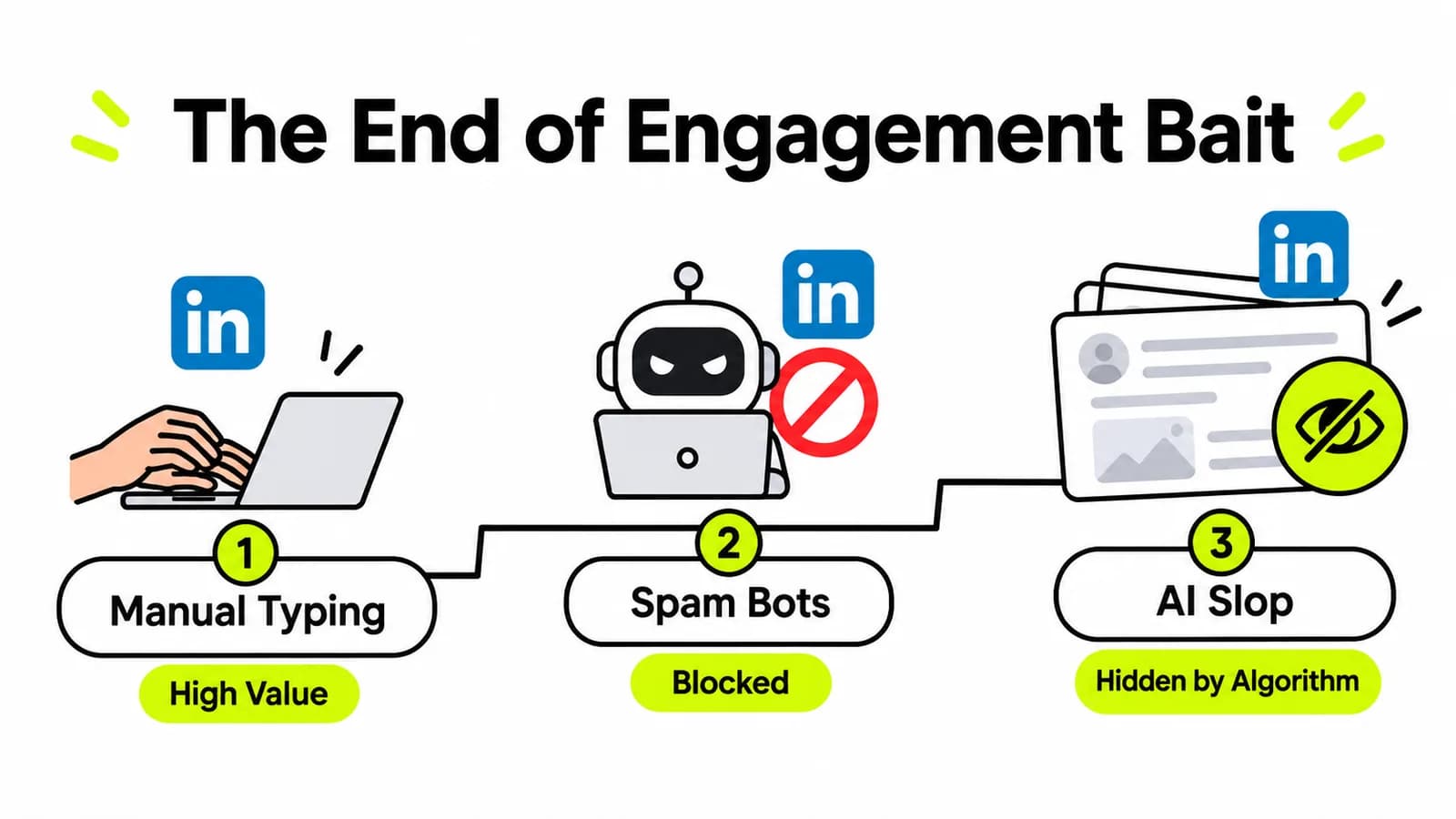
LinkedIn is officially rolling out aggressive algorithm updates to hide AI-generated comments, reducing their visibility by over 20% in early testing. This LinkedIn AI comment penalty aims to clean up the platform's feed by burying automated, generic replies. For B2B creators and marketing agencies, leaning on cheap automation tools to borrow reach will now actively destroy your organic distribution.
The Sudden Death of the "Great Insights!" Bot
LinkedIn has introduced aggressive new classifiers to detect and demote AI-generated replies, intentionally hiding them from the default feed view.
LinkedIn just dropped a massive algorithm update, and your favorite engagement pods are officially sweating. If your growth strategy involves using automated bots to drop generic praise on viral posts, your workflow just flatlined. The platform has officially declared war on artificial intelligence slop.
Hari Srinivasan, the Chief Product Officer at LinkedIn, recently confirmed the rollout of advanced detection classifiers explicitly targeting post comments. The goal is simple but ruthless. They want to ensure that content creators only see high-quality, human-led interactions.
Instead of outright banning these automated accounts, the platform is quietly shadowbanning their output. When users view a comment section with the "Most Relevant" filter applied, suspected automated replies are pushed straight to the bottom. In early testing, this targeted action resulted in a massive 20% reduction in views for generic, machine-written replies.
Why "Borrowing Reach" is Now a Dangerous Game for Creators
Publishers who rely on automated AI tools to leave comments on larger accounts will now see their engagement buried, actively hurting their organic reach instead of boosting it.
For years, B2B marketers have relied on a very specific growth hack. You find a massive influencer in your niche, and you configure a bot to leave an immediate, supposedly insightful comment the second they publish. This tactic, known as Borrowing Reach, allowed smaller pages to siphon traffic from massive accounts.
That shortcut is officially dead. As noted by industry experts, dropping fake comments on larger accounts will now get your brand buried instead of seen. Furthermore, if your own original posts become a dumping ground for automated replies, those comments add absolutely zero value to your overall distribution metrics.
While 17% of social-media professionals already use generative AI to respond to comments and messages, this creates a massive headache for lean marketing teams. You need high engagement to trigger the algorithm, but relying on cheap automation now carries a heavy penalty. B2B creators must immediately audit their tools and ensure they aren't accidentally triggering these new spam filters.
The High Cost of Platform Integrity in the Generative Era
As chatbots increasingly rely on user-validated platforms for citations, social networks must aggressively filter out inauthentic activity to protect the value of their data.
You might be wondering why LinkedIn cares so much about a few generic comments. The answer lies in the shifting dynamics of global search behaviors. Consumers are rapidly abandoning traditional search engines in favor of massive conversational chatbots like Perplexity and ChatGPT.
These advanced models prefer to cite platforms that possess inherent user vetting and crowd-sourced validation. This is exactly why Reddit is currently dominating AI chatbot responses. LinkedIn, armed with its complex web of professional endorsements, verified employment histories, and creator follower counts, is desperate to maintain its status as a top-tier citation source.
If the platform becomes overrun with automated drivel, its data loses all commercial value. This is a massive push for Platform Integrity. They are actively pushing members to verify their personal information and identity as a definitive trust signal to combat this rising tide of inauthentic activity.
How to Adapt Your Social Strategy Before the Full Rollout
Creators must pivot back to human-first engagement strategies, treating comment sections as literal conversations rather than scalable numbers games to maintain algorithm favorability.
So, where does this leave the overworked marketing manager or the stretched-thin social media agency? The mandate from the platform is clear. What still works is a real human being saying something genuinely worth reading.
You need to treat engagement as an actual conversation, not an automated numbers game. This means writing your own replies, injecting genuine industry perspective, and challenging the original poster when appropriate. A slightly controversial, highly educated human comment will outperform fifty automated agreements every single time.
However, we also live in reality. Scaling this level of highly customized, manual interaction across dozens of clients or enterprise accounts is a recipe for instant burnout. You need a way to maintain volume without sacrificing the strict quality standards demanded by these new algorithmic filters.
Scaling Authentic Marketing Without the Operational Burnout
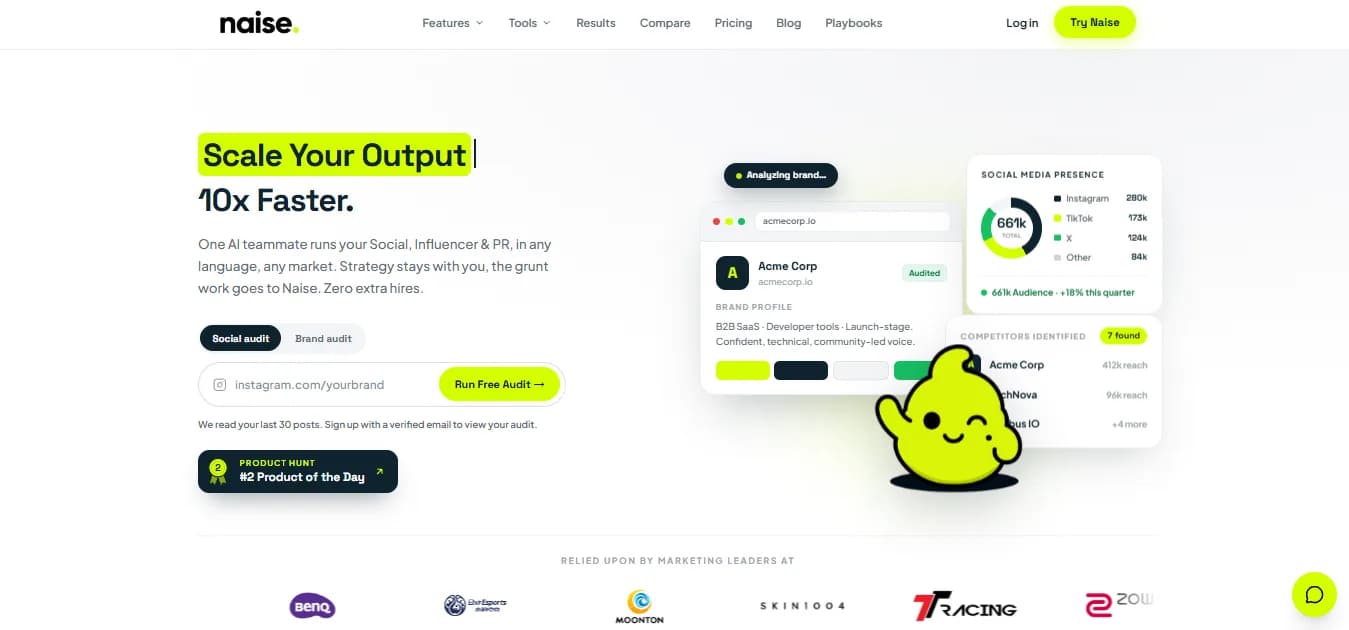
Modern marketing teams can avoid the AI slop penalty by using specialized AI workflows that process deep brand context, rather than relying on generic generative text outputs.
This algorithm update proves that AI isn't the problem; generic AI is the problem. Using an unprompted chatbot to write your social copy is a guaranteed way to trigger spam filters. This is exactly why we built Naise AI as your dedicated AI Teammate for Marketing.
Instead of generating disconnected text, you orchestrate campaigns through our central Dashboard. By uploading your specific brand guidelines into our Projects feature, you create a persistent memory bank. This ensures your output never sounds like a robot because it inherently understands your exact tone, banned phrases, and specific industry nuances.
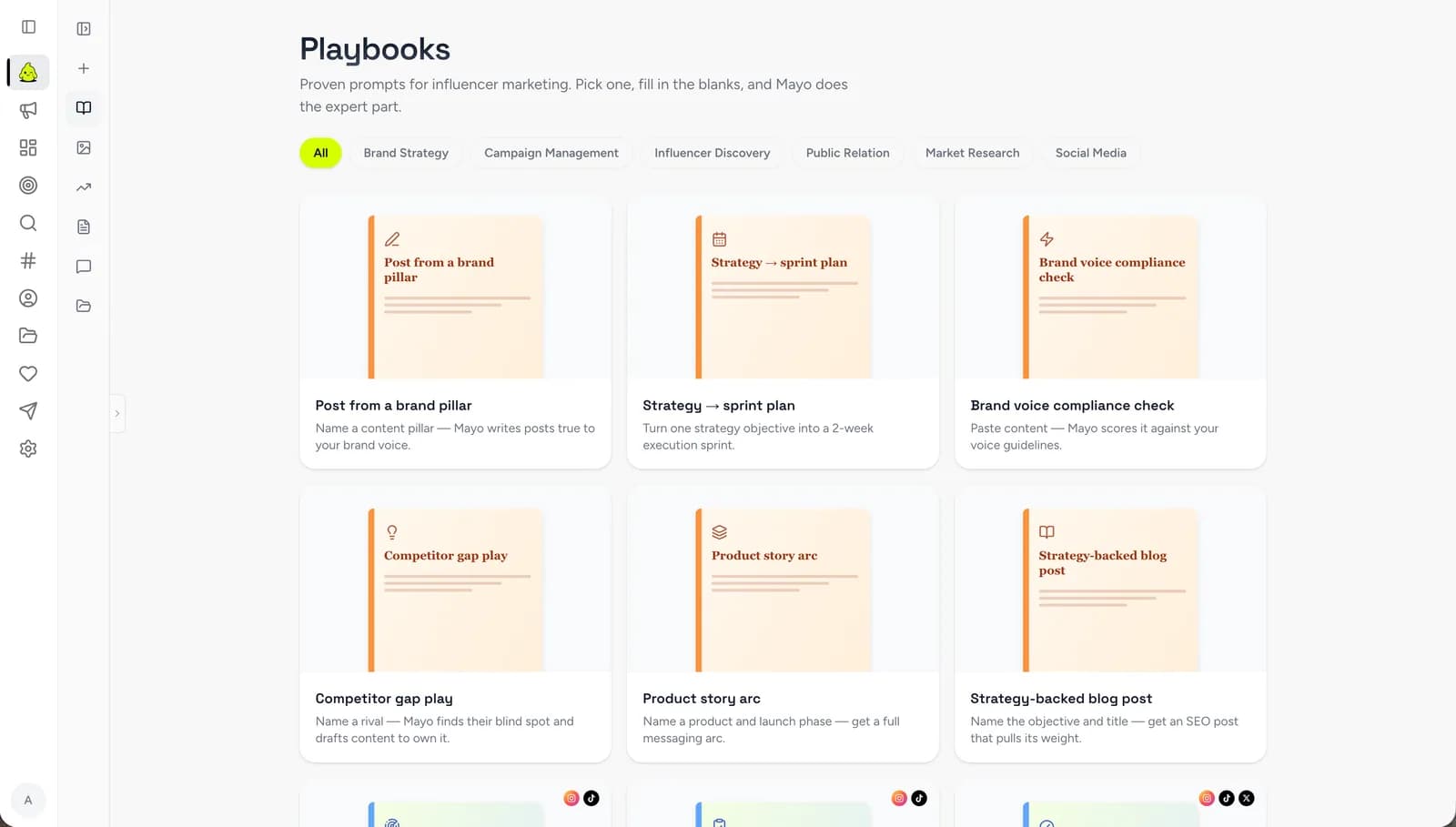
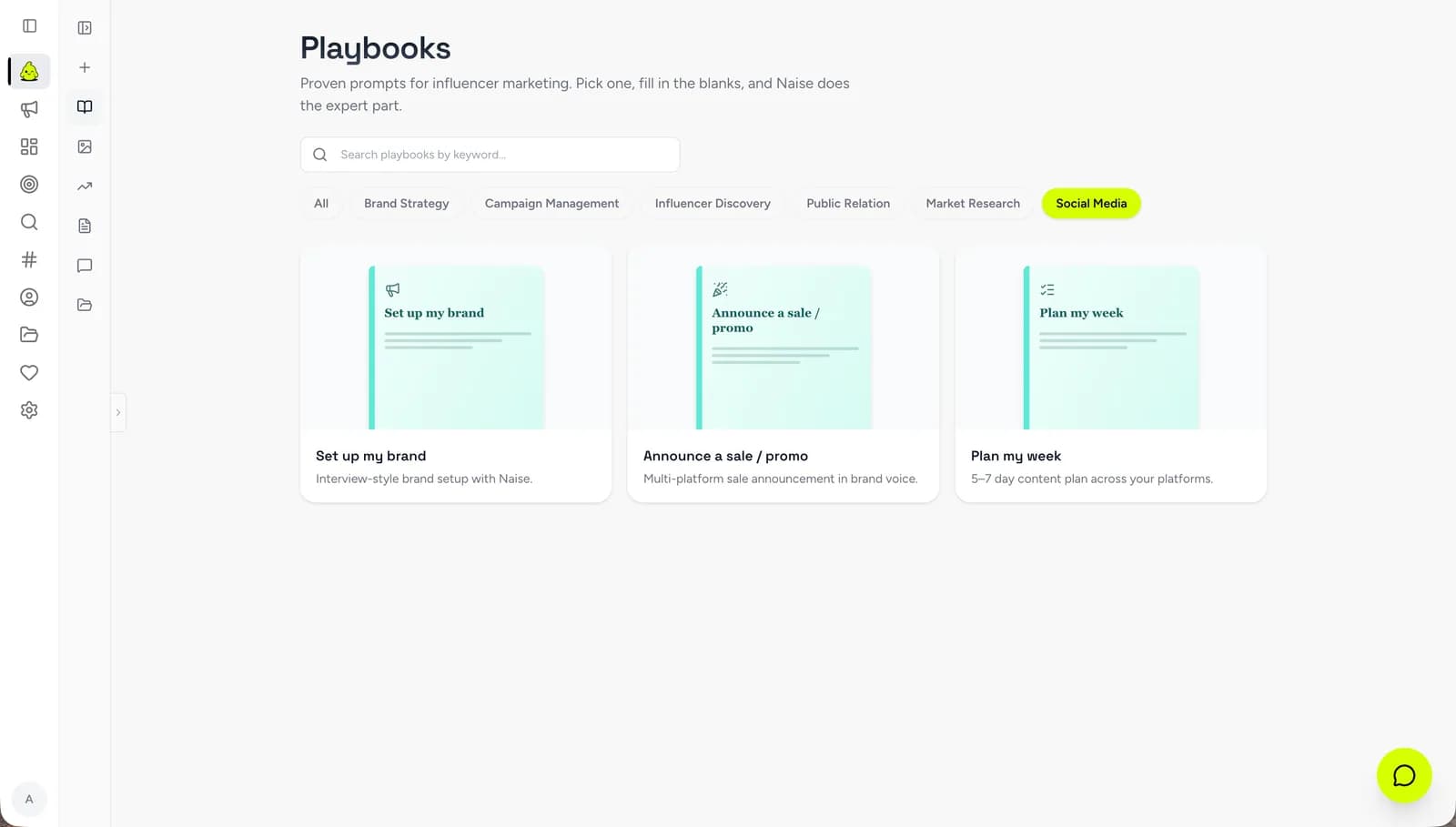
When you need to execute, you simply load up our pre-configured Playbooks. From there, you hand the task over to your Social Media Agent, an autonomous operator that drafts highly contextual, deeply researched content that easily passes the human sniff test. Let Naise handle the heavy lifting, eliminate prompt fatigue, and easily clock out on time.
Conclusion
The era of cutting corners with cheap automation is over. Platforms are getting smarter, and your brand needs to adapt to survive the cull. You need a workflow that protects your brand identity while scaling your output seamlessly.
FAQs
What is the LinkedIn AI comment penalty?
It is a recent algorithm update where LinkedIn uses new classifiers to detect AI-generated comments and actively reduces their visibility in the feed by over 20%.
Why is LinkedIn hiding AI-generated comments?
LinkedIn wants to maintain its platform integrity and protect its status as a reliable data source. Hiding generic, automated comments ensures users only see high-quality, relevant human interactions.
Does using AI on LinkedIn hurt my organic reach?
Yes, if you use basic automation tools to post generic, suspected AI comments on other accounts, the algorithm will bury those comments, actively hurting your brand's reach and visibility.
How can marketers scale engagement safely now?
Marketers should avoid generic text generators and instead use context-aware AI tools like Naise AI. These tools utilize persistent memory to generate highly specific, on-brand content that mimics authentic human perspective.