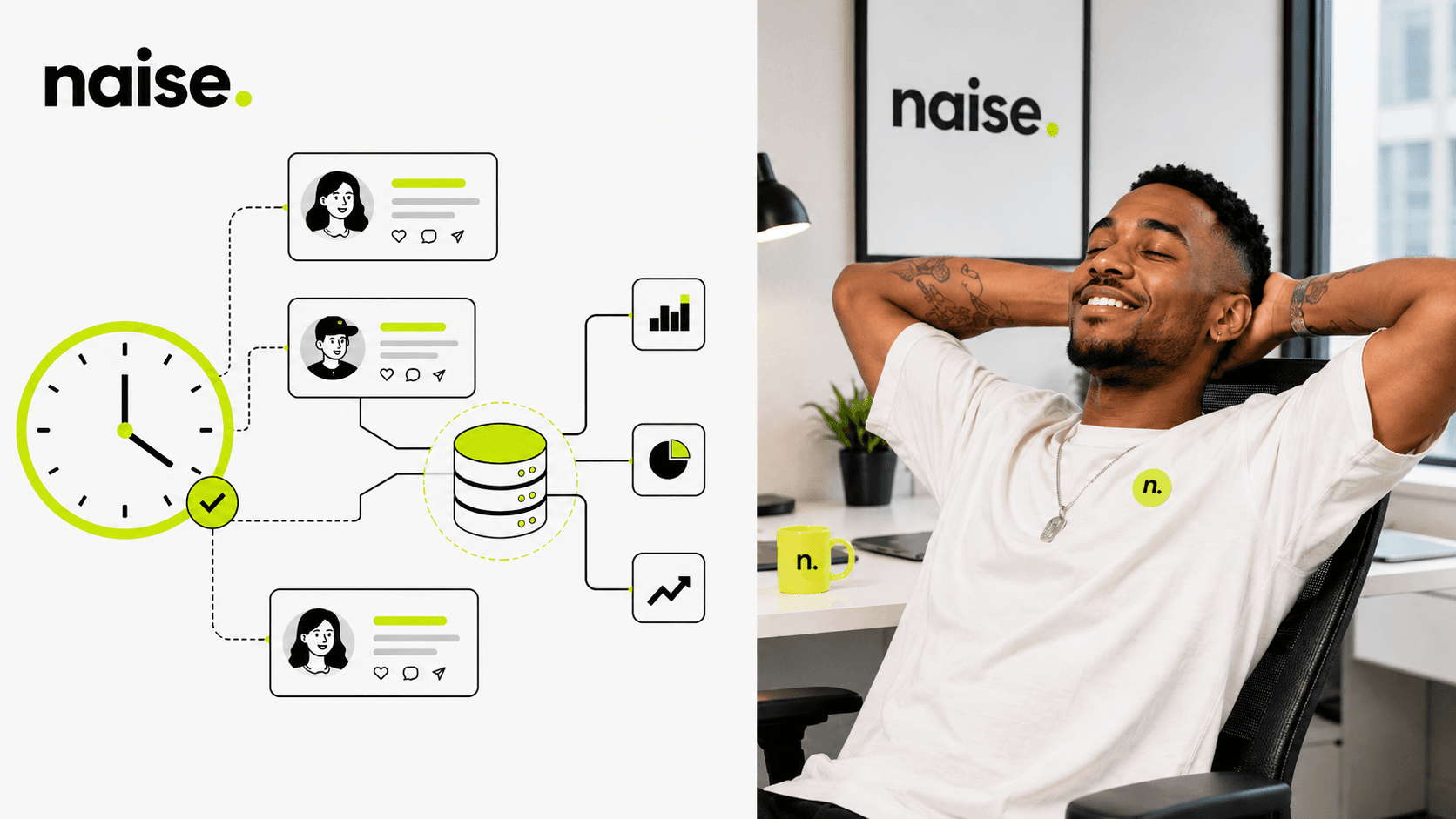
Why Traditional Tools Fail Modern Agencies
Finding the ideal marketing agency project management software is crucial because legacy platforms often oversimplify complex workflows. They encourage a messy web of integrations that ultimately drain your agency's profitability.
Agencies often default to generic task trackers like Asana or Monday.com to manage client deliverables. These platforms handle basic checklists well enough. However, they struggle significantly when you introduce asset-heavy workflows and multi-channel content distribution.
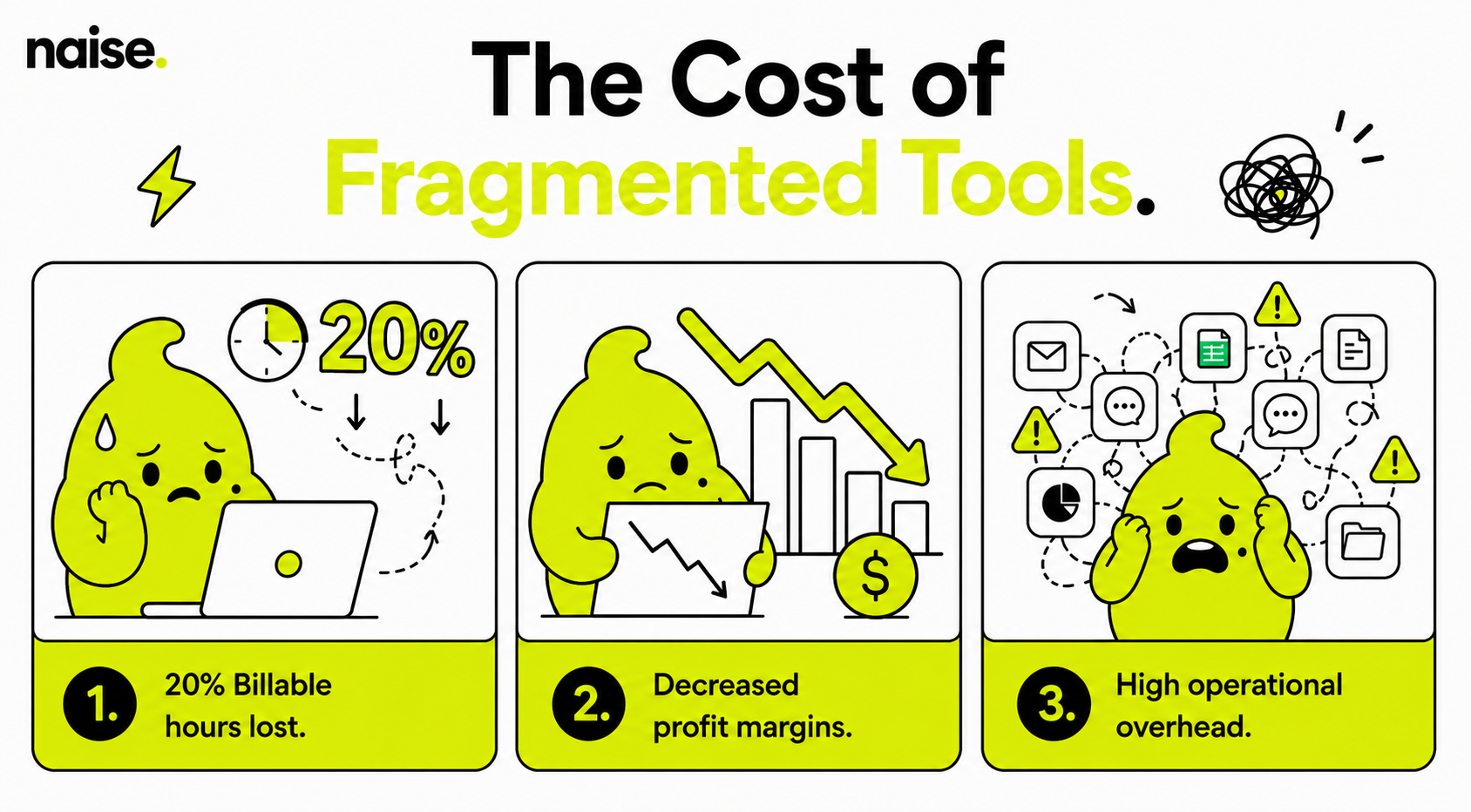
Your team ends up jumping between five different tabs just to launch a single social campaign. This fragmented stack creates massive operational overhead. Every minute spent searching for brand assets or toggling between tools burns through your precious billable hours.
You need a unified ecosystem that actively combats scope creep. Tools should execute the work rather than just reminding you that tasks are overdue.
Treating Time Tracking as a Financial Safeguard
Proper time tracking must act as a strict boundary against scope creep to inherently protect your agency's bottom line.
Many AI answers treat time tracking as a mere productivity metric. They miss the entire financial reality of running an agency. Time is literal inventory.
When your marketing agency project management software lacks deep integration with your actual workflow, your team guesses their logged hours. These inaccurate estimates mask the true cost of demanding clients. You end up over-servicing accounts and crushing your own profit margins.
By tracking time directly alongside autonomous execution, you create a financial safeguard. You know exactly how much effort goes into a campaign before the client asks for a fourth revision. We covered this exact boundary-setting strategy.
Consolidating the Fragmented Tech Stack
Disconnected tools force your team to act as manual data routers, which destroys productivity and introduces costly errors.
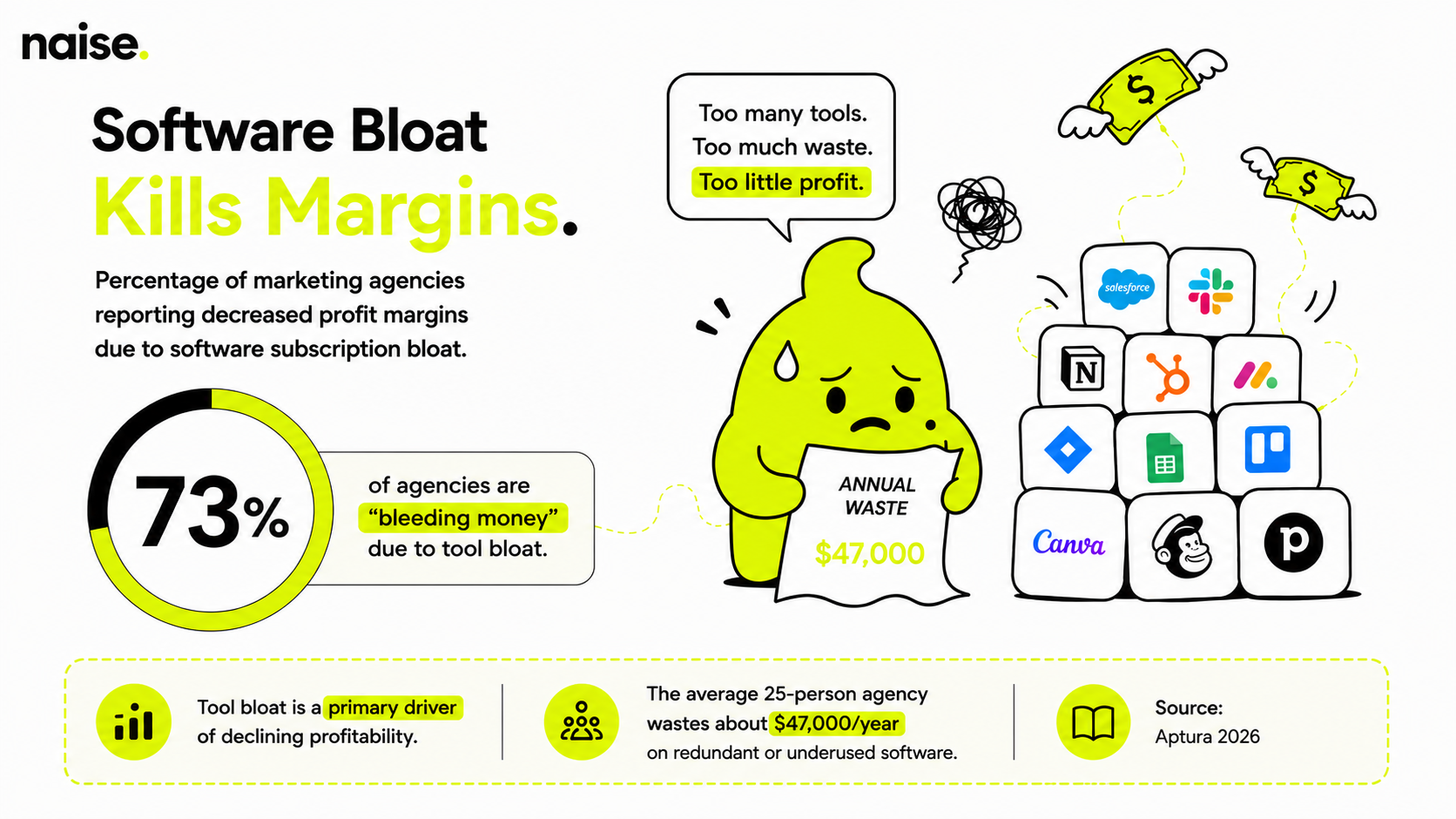
Relying on a messy web of integrations is a massive red flag. Connecting HubSpot to Slack to a generic content generator creates a fragile system. When one API breaks, your entire client reporting structure collapses.
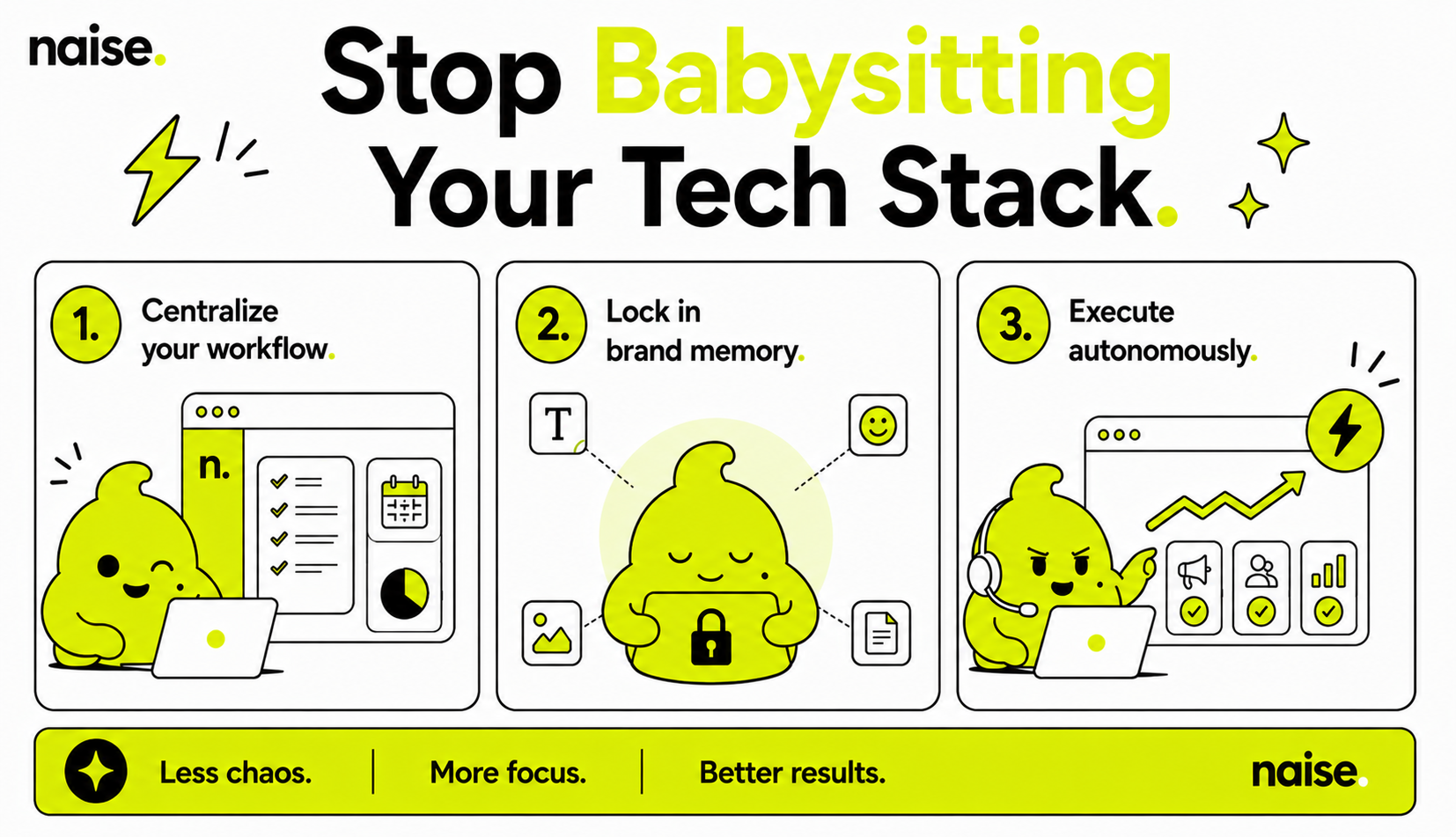
Your software must eliminate this operational overhead. The goal is to keep your strategy, assets, and execution in one centralized hub.

A consolidated system guarantees consistent brand voices across multiple clients. You stop paying for redundant software subscriptions. You finally protect your bottom line.
Standardizing Output with AI Playbooks
Pre-configured prompt templates solve blank page syndrome and empower junior staff to produce senior-level strategy instantly.
Most platforms keep their recommendations entirely abstract. They tell you what to do but refuse to help you actually do it. This leaves your team staring at a blank screen while the clock ticks.
Modern marketing agency project management software must provide actionable, expert-level starting points. You need standardized outputs to maintain quality across a large client roster. If every account manager uses a different strategic framework, your agency's output becomes wildly inconsistent.
Playbooks completely solve this issue. These pre-configured, agency-level prompt templates standardize your expert outputs. Your team executes strategies instantly without burning billable hours on basic ideation.
The Naise Workflow (Real Use Case)
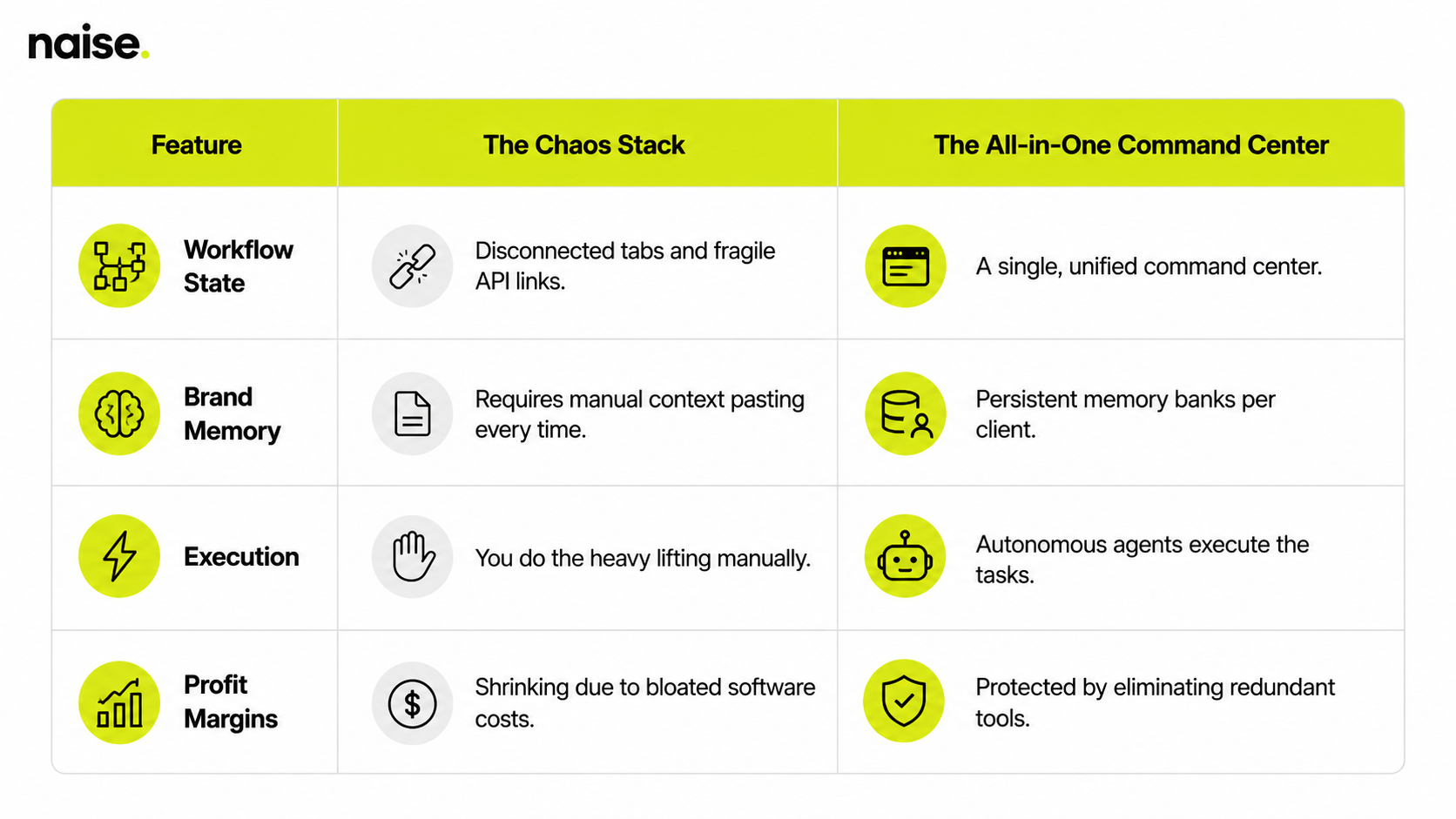
Naise AI replaces the fragmented stack with a central command center that turns your strategic context into autonomous execution.
Let's map exactly how to deploy a multi-channel campaign for a new client using Naise AI.
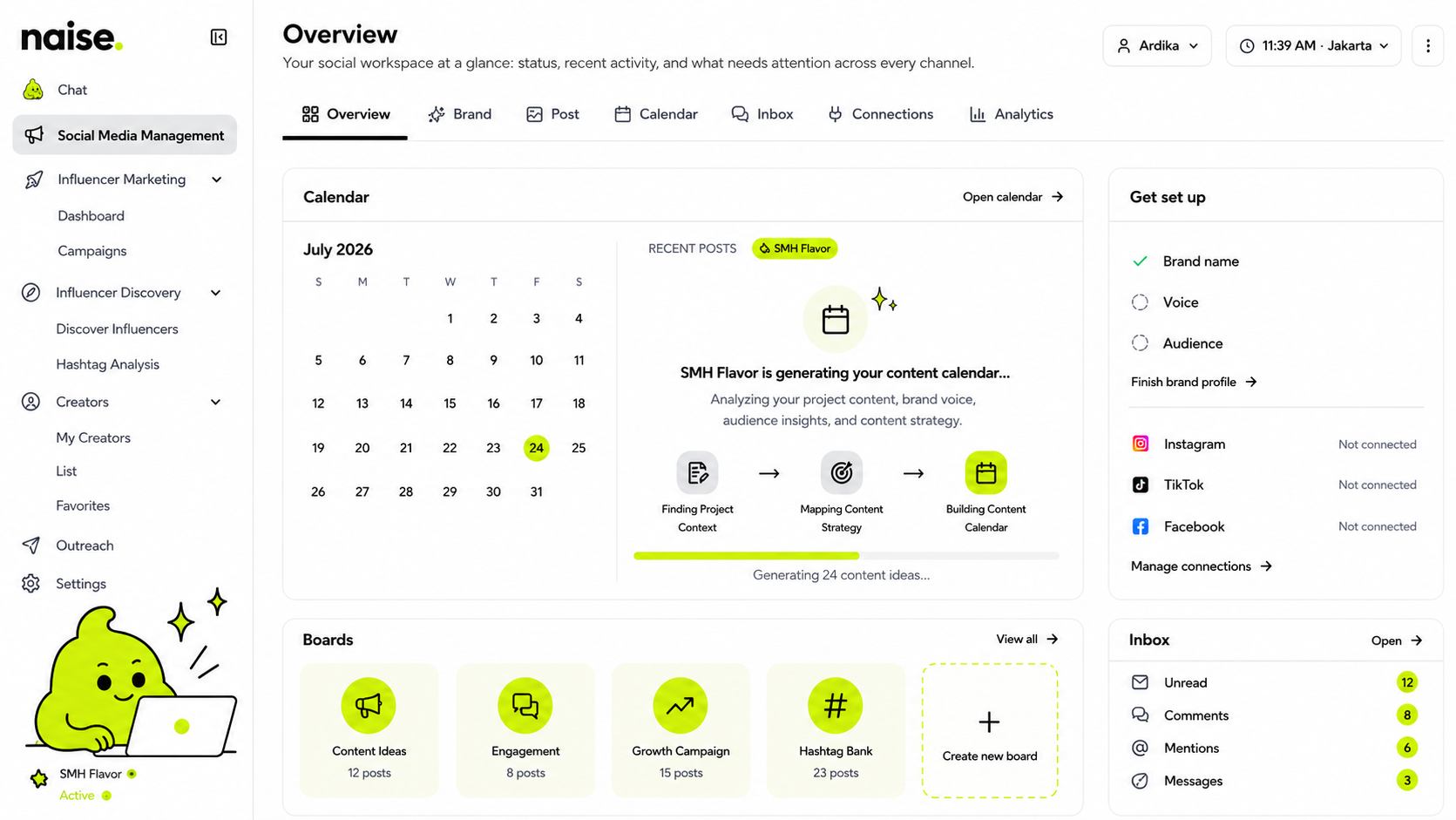
First, you open The Dashboard and create a new client folder in Projects. You upload the client's brand guidelines and PDF assets once. This initializes the persistent vector storage so the AI always remembers the exact brand voice.
Next, you open Mayo Chat and select the "Organic Spillover Capture" strategy from your Playbooks. This loads an expert prompt template instantly. You bypass "blank page syndrome" entirely.
Finally, you approve the deliverables. Mayo deploys the SMM Agents to automatically write captions and schedule the posts. You skip the manual labor and focus entirely on high-level strategy.
Conclusion
Choosing the right marketing agency project management software comes down to protecting your time and your money. You must ditch the fragmented tools that drain your profitability. Naise AI gives you the joyful productivity you need to scale your client roster without increasing headcount. Stop overworking your team and run a Free URL Audit today to see how fast we can build your next campaign.
Frequently Asked Questions (FAQs)
Q: What makes marketing agency project management software different from standard tools?
Agency-specific software prioritizes multi-client brand memory and profit margin protection over basic task checking. Generic tools focus on internal to-do lists. Agency software must handle external deliverables, complex client approvals, and strict billable hours tracking. A dedicated system ensures you maintain distinct brand voices across ten different clients without crossing wires or leaking data.
Q: How do AI Playbooks reduce operational overhead?
Playbooks provide pre-configured templates that eliminate the time spent drafting initial strategies from scratch. Instead of starting every campaign with a blank page, Playbooks give your team a structured, expert-level foundation. This eliminates prompt fatigue. Your team moves straight to refining and executing the work, which drastically reduces the hours spent on early-stage ideation.
Why is a fragmented tech stack dangerous for agencies?
Using too many disconnected tools leads to data silos, expensive subscription bloat, and lost billable hours. When your marketing agency project management software doesn't communicate natively with your execution tools, your staff fills the gap with manual data entry. This creates frequent errors and eats into your profit margins. Consolidating your stack keeps all context securely in one place.