
Mastering organic social media marketing 2027 is quickly becoming the ultimate growth lever for modern brands. As Paid Ads grow more expensive and generic Generative AI filler clogs every feed, buyers now reserve their trust for content they actively choose to watch inside Interest-First Algorithms. The teams that win next year will pair culturally sharp Social Media Strategists with unified AI workflows like Naise AI to scale original content without losing their human voice.
Scroll through your feed right now and time how fast your thumb skips a sponsored post. It probably took less than half a second.
Your buyers have the exact same reflex. Years of aggressive retargeting, lookalike campaigns, and recycled direct response hooks have trained modern audiences to spot a sales pitch before the first frame even finishes loading.
Heading into 2027, the playbook that carried growth teams for the last decade is officially running out of gas. Organic Social Media is stepping back into the driver's seat, not because paid channels vanished, but because authentic trust is the one competitive moat you cannot buy in an ad auction.
Why Paid Ads Alone Cannot Buy Attention Anymore
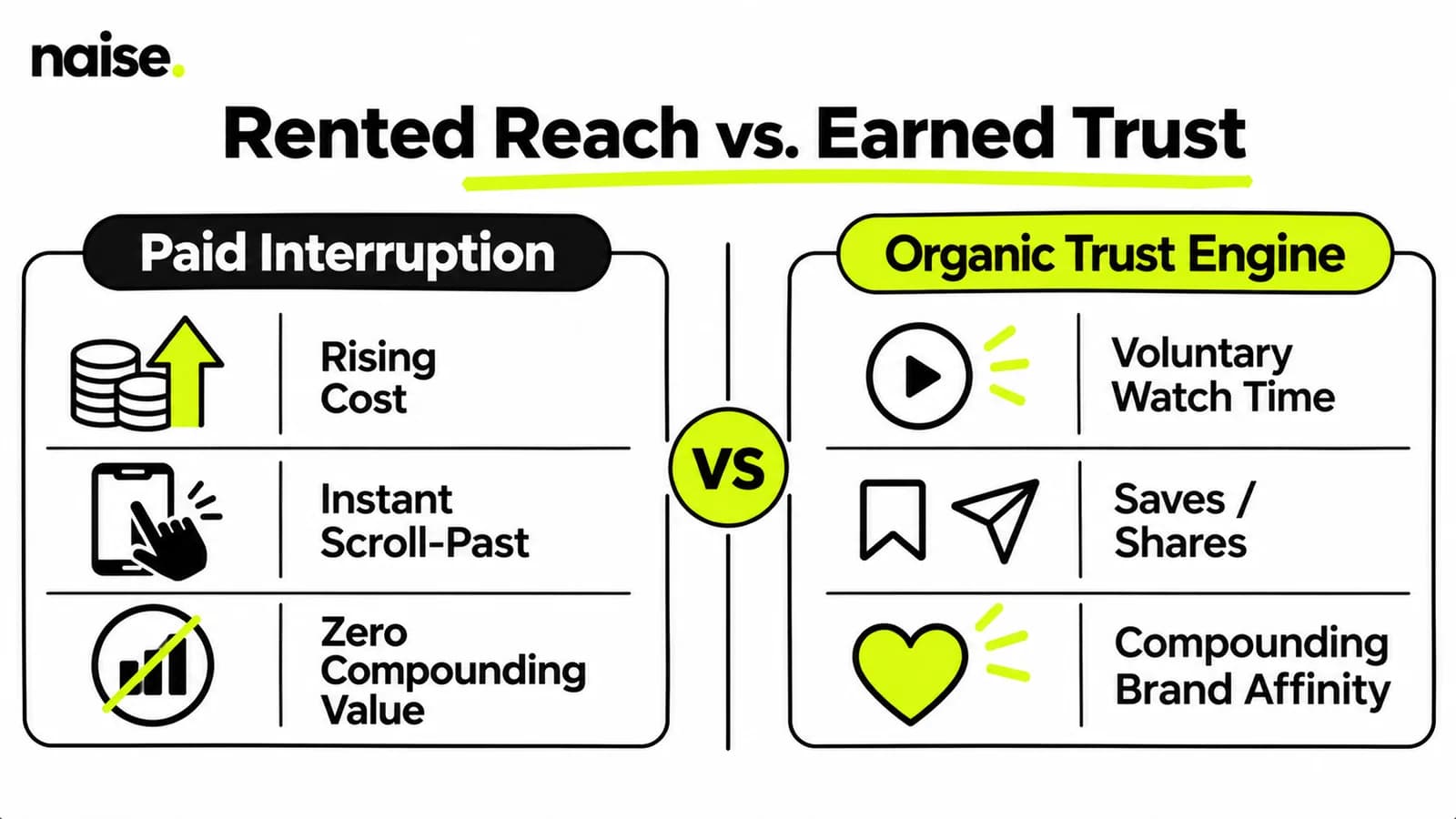
Paid Ads can rent temporary eyeballs, yet skyrocketing acquisition costs and widespread Ad Fatigue mean brands can no longer buy sustainable trust through interruption alone. Real conversion momentum now depends on Organic Social Media content that audiences voluntarily watch, save, and share.
Every quarter, the unit economics of paid acquisition get tighter. More advertisers are competing over the exact same inventory across Meta Ads, TikTok Ads, and LinkedIn Campaign Manager, pushing Cost Per Mille (CPM) and Customer Acquisition Cost (CAC) steadily upward across B2B and B2C verticals. Between 2024 and 2026, Meta’s average price per ad rose 14% year over year in Q3 2026, while tracked Meta CAC increased approximately 31% over the same two-year period. LinkedIn CPMs also rose an estimated 28% in 2025, reflecting intensifying B2B competition for a limited pool of professional audiences.
Even when you have the budget to outbid competitors, money only buys an impression. It does not buy belief, affinity, or mental availability. When a prospect sees a polished ad claiming your product is the best solution on the market, their default reaction is skepticism, not curiosity.
Trust still gets built the slow, compounding way. It happens when someone watches a founder break down an honest industry lesson on LinkedIn, saves a tactical teardown carousel on Instagram, or sends a painfully relatable short video to a coworker on TikTok. By the time that buyer clicks your pricing page, the sale is already eighty percent closed because your Organic Social Media earned their confidence first.
The AI Content Flood Paradox and Why Volume Stopped Working
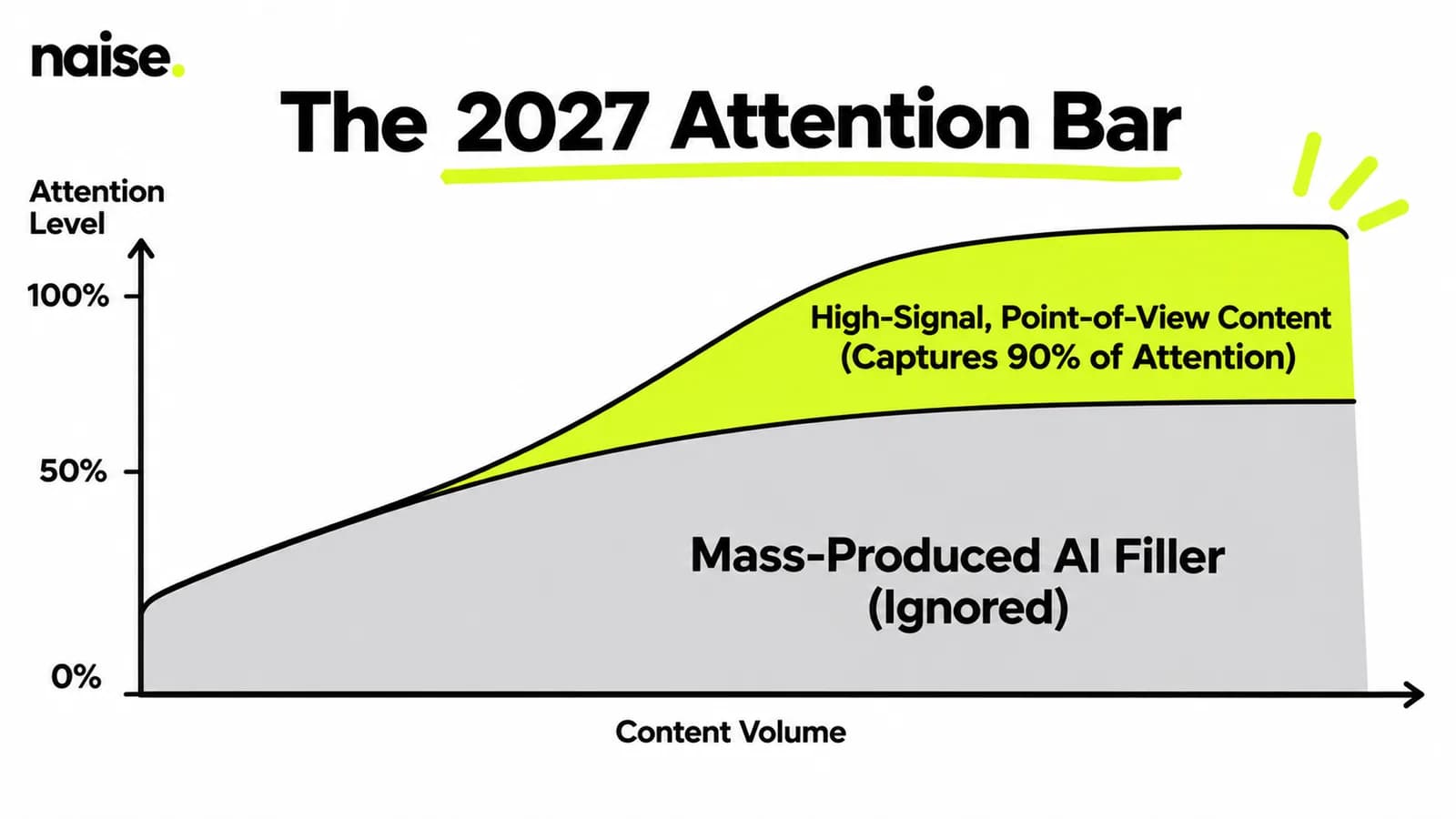
The rise of generic Generative AI tools has flooded social feeds with high-volume, low-substance posts, dramatically raising the quality bar for standout Content Marketing. Publishing more frequently no longer guarantees reach because audiences immediately tune out robotic, forgettable filler.
Here is the plot twist few marketers predicted three years ago: making content became ridiculously easy, which somehow made making good content ten times harder. With a basic prompt inside ChatGPT or a generic writing wrapper, anyone can pump out thirty decent-looking posts before their iced coffee melts.
The result is an endless sea of posts that look completely fine on the surface and say absolutely nothing underneath. Feeds are packed with recycled frameworks, hollow motivational quotes, and carousels that feel assembled on a factory line. Marketers call it AI Slop, and audiences have developed an instant radar for it.
When content supply approaches infinity, average content drops to zero value. Winning at organic social media marketing 2027 cannot rely on volume hacks or checking a daily posting quota. To break through the noise, every post needs a sharp point of view, lived operational proof, or a fresh angle that a generic chatbot could never invent on its own.
How the Interest-First Algorithm Rewrote the Rules of Social Growth
Modern platforms like TikTok, Instagram, and YouTube Shorts run on an Interest-First Algorithm that distributes content based on viewer retention and topic relevance rather than follower count. Every post now competes on merit alone, rewarding brands that hook attention fast and adapt as platform formats shift.
Back in the Follower Graph era, building a large audience worked like owning a private broadcast tower. Once you crossed 50,000 followers, you could publish mediocre company updates and still count on steady impressions. That safety net is completely gone.
Today, the Interest Graph treats a brand-new account with 200 followers and a legacy enterprise with 200,000 followers almost identically at the starting line. The algorithm tests your post with a small pocket of relevant users and asks one brutal question: was this actually worth their time? With over 50% of Instagram content now AI-recommended and 72.70% of TikTok views coming from the For You Page, the feed no longer rewards who you know, it rewards whether strangers find your content worth watching.
If viewers stop scrolling, rewatch the hook, leave a thoughtful comment, or forward the post to a teammate in DMs, distribution takes off. If they swipe away in two seconds, your post quietly flatlines, regardless of how famous your logo is. Worse yet, the creative formats that drive Watch Time and Engagement Rate evolve every few weeks, which means rigid quarterly content calendars expire before they even go live.
Why Brands Are Betting Big on Strategists Who Actually Execute
In 2027, high-growth companies are moving budgets away from slow retainers and investing directly in Social Media Strategists who pair cultural fluency with fast execution. Winning teams live natively on social apps, spot emerging formats early, and transform raw founder ideas into scroll-stopping Content Strategy.
Let us be honest about why most corporate social accounts feel painfully dull. Strategy gets locked inside a 40-slide PowerPoint deck reviewed by four committees, while daily execution gets delegated to someone who barely spends time on the apps. By the time a timely take clears approval, the internet has already moved on three times.
The brands winning organic attention treat social like a live newsroom, not a static brochure. They empower Social Media Managers who understand platform nuance instinctively, knowing why an unfiltered 45-second breakdown crushes on LinkedIn while a tight visual pattern interrupt thrives on Instagram Reels.
Most importantly, these strategists act as translators. Founders, product leads, and customer-facing teams sit on goldmines of Founder-Led Content and customer stories every week, yet they rarely have time to shape them into posts. A sharp strategist pulls those messy voice notes, Slack threads, and product wins out of the team and turns them into crisp narratives that make strangers stop mid-scroll.
Why AI Will Not Replace Great Marketers, Yet AI-Powered Teams Will Win
No autonomous bot can replace the taste, empathy, and cultural instincts of a great Social Media Strategist, yet a strategist backed by purpose-built Marketing AI executes at ten times the speed of a manual team. The biggest bottleneck in Social Media Management is not a shortage of ideas, it is the daily drag of operating inside a Fragmented Marketing Stack.
There is a loud myth circulating in executive meetings that you can replace your marketing team with a generic "AI employee" and watch organic pipeline grow on autopilot. Anyone who actually runs social channels knows how fast that backfires. Generic AI does not read the room, misses subtle internet humor, and cannot tell when a viral format turned cringe yesterday afternoon.
At the same time, a human strategist doing everything by hand hits a wall fast. One person is expected to track shifting trends, interview founders, draft hooks, outline carousels, tailor copy for X, LinkedIn, and Instagram, and review analytics. Most teams stitch six disconnected apps together, copying prompts across Notion, Google Docs, ChatGPT, and legacy schedulers until the Fragmented Marketing Stack eats half their workweek.
That is where the real edge in organic social media marketing 2027 lives. A strategist who keeps full creative taste while delegating research, repurposing, and repetitive drafting to an integrated system becomes genuinely dangerous. Instead of spending six hours reformatting one idea for four platforms, they invest their energy in sharpening the hook and engaging directly with their community.
Scaling Organic Content and SMM Without Losing Your Brand Voice
To execute organic social media marketing 2027 consistently without slipping into generic AI Slop, modern teams use unified platforms like Naise AI to pair persistent brand memory with automated content execution. Bringing strategy, voice consistency, and multi-channel Social Media Management into one workspace lets lean teams ship sharper content at higher velocity.
Most marketers hesitate to bring AI into their Social Media Management workflow for one fair reason: generic tools strip all the personality out of a brand. Re-explaining your tone of voice, ICP pain points, and product positioning inside a blank chat window every Monday morning is exhausting, and the output still sounds flat.
Naise AI replaces the Fragmented Marketing Stack with a single workspace built for how modern content teams actually operate. Everything flows from one clean Dashboard, giving Social Media Managers and strategists a central command hub to plan, draft, and orchestrate organic campaigns without tab fatigue.
Inside Naise AI, Projects give your team persistent memory that locks in your exact brand voice, founder perspectives, audience nuances, and messaging guardrails. Whenever you drop in a raw founder voice note, customer call insight, or product update, the workspace already knows how your brand talks, keeping robotic clichés completely off your feed.
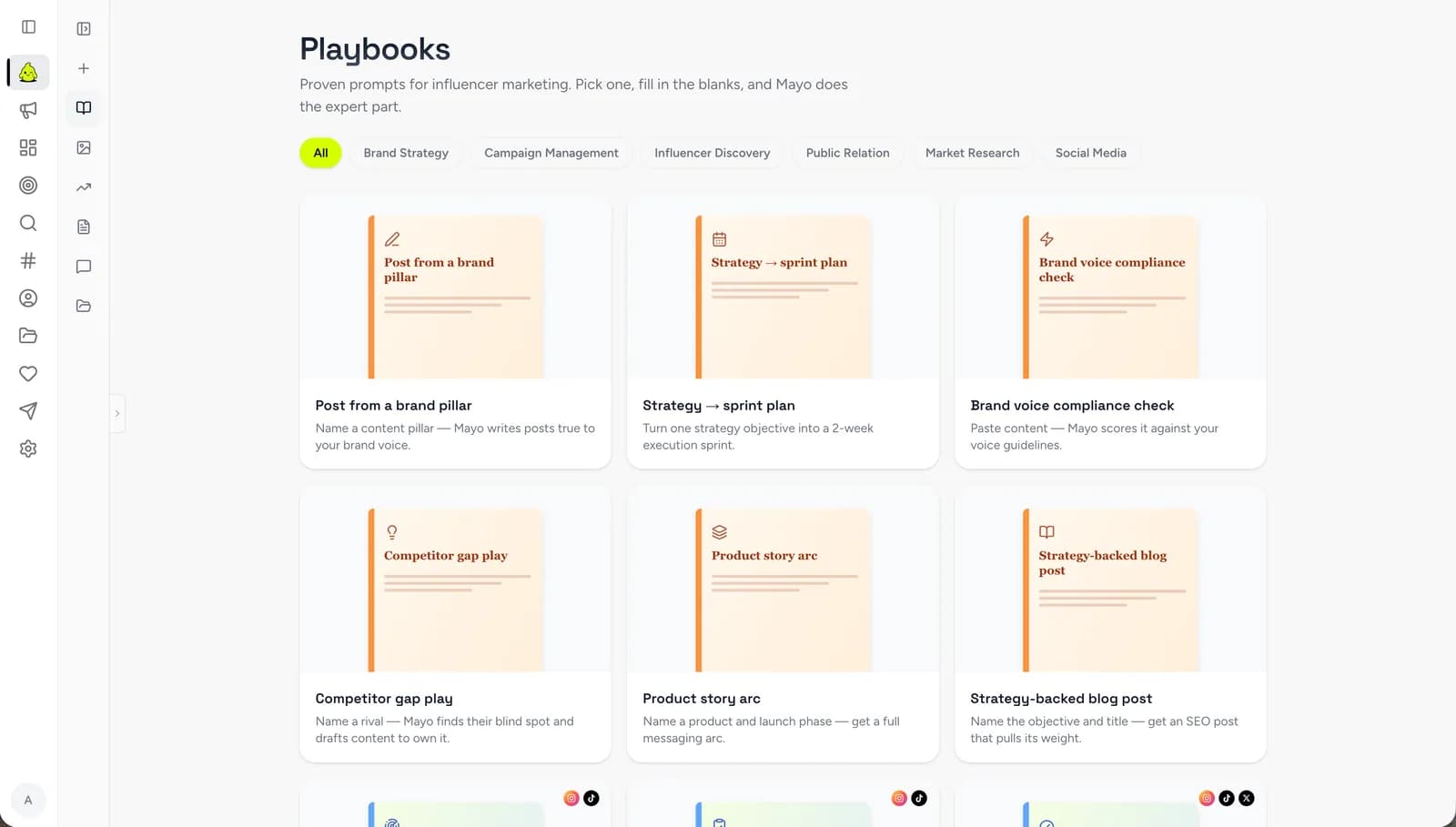
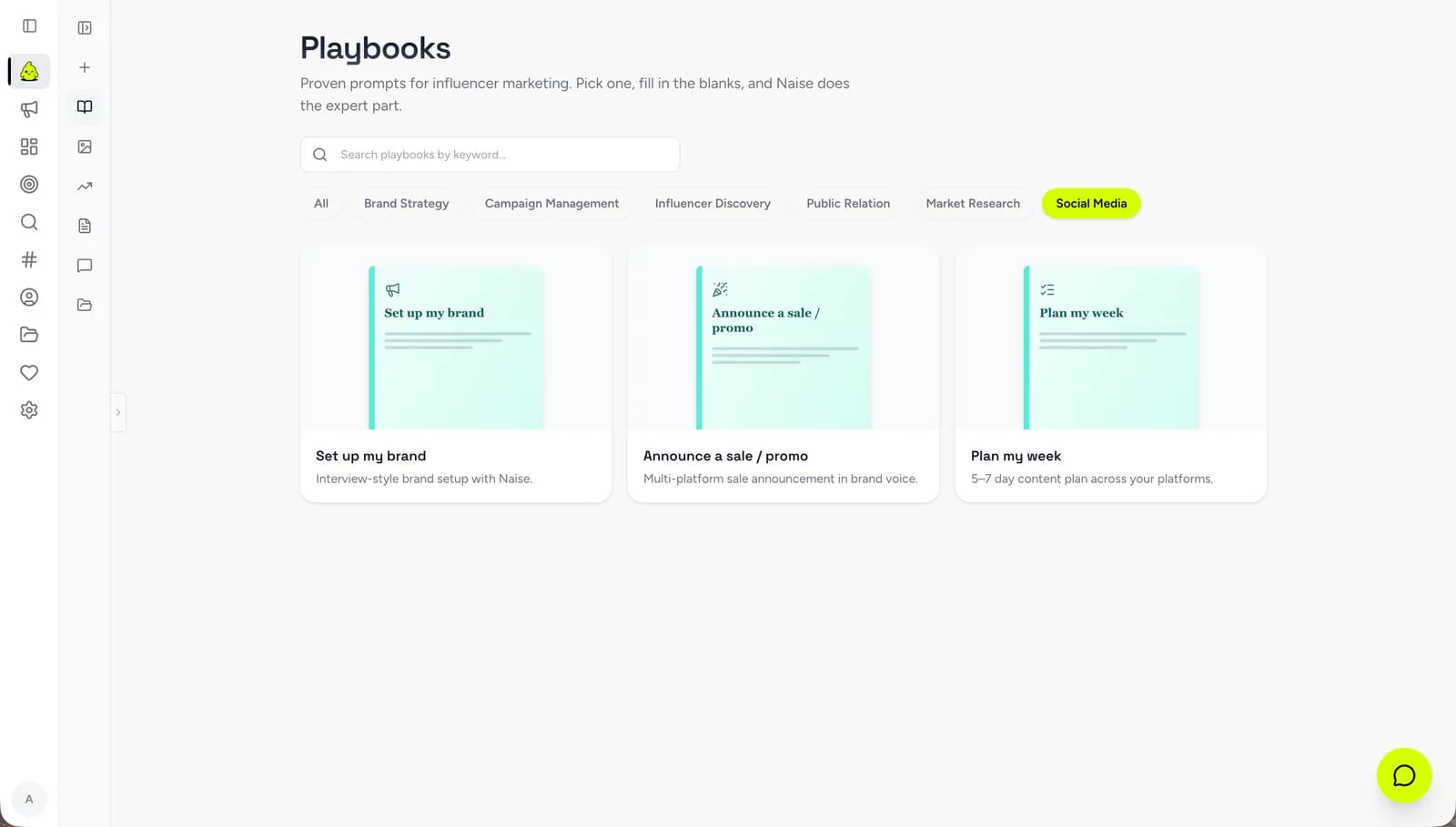
From there, Playbooks turn your highest-performing social formats into pre-configured prompt templates ready to launch in seconds. Whether you need a punchy LinkedIn founder narrative, a high-retention TikTok script hook, or a structured educational carousel for Instagram, Playbooks help you adapt to fast-moving Interest-First Algorithm shifts without starting from scratch every week.
Finally, autonomous Agents handle the heavy lifting of daily production. Agents research relevant angles, transform a single core insight into platform-native drafts across multiple social channels, and keep your Social Media Management pipeline moving while your human strategists stay focused on creative direction, culture, and community trust. You get the speed of automation with the unmistakable soul of a human team.

Conclusion
The brands that dominate in 2027 will not be the ones with the loudest ad budgets or the highest volume of automated noise. They will be the teams that respect their audience's time, show up with unmistakable human perspective, and back sharp strategists with smarter execution systems.
Organic Social Media is where real trust gets built, and trust remains the one competitive advantage money cannot buy. Ready to ditch the Fragmented Marketing Stack, lock in your authentic voice, and scale scroll-stopping content across every channel?
FAQs
Why will organic social media dominate marketing in 2027?
Organic Social Media is set to dominate organic social media marketing 2027 because Paid Ads face rising Customer Acquisition Cost (CAC) and heavy Ad Fatigue, pushing buyers to ignore obvious sales pitches. Organic content earns voluntary Watch Time and builds compounding trust that strengthens conversion rates across the entire funnel.
How does the interest-first algorithm impact small brands on social media?
The Interest-First Algorithm levels the playing field by distributing posts based on viewer retention, saves, and topic relevance rather than follower count. Small brands with sharp hooks and real insights can outperform large legacy accounts on TikTok, Instagram, and LinkedIn right from day one.
Will AI replace social media strategists in 2027?
No, Generative AI will not replace skilled Social Media Strategists because generic models lack cultural intuition, lived experience, and creative taste. Instead, strategists who use structured Marketing AI platforms like Naise AI to automate repetitive content production and Social Media Management tasks will vastly outperform manual teams.
How can brands scale organic social media content with AI without creating AI slop?
Brands avoid AI Slop by feeding AI tools authentic human inputs, such as founder stories, customer objections, and original operational insights, rather than generating generic prompts from scratch. Using persistent brand memory like Naise AI Projects alongside repeatable Playbooks keeps every post sharp, timely, and aligned with your brand voice.