The Hidden Financial Drain of Manual Execution
The true cost of manual social media management extends far beyond base salaries, bleeding directly into wasted operational hours and missed strategic opportunities.
Marketing managers often view their daily operations as a fixed cost. You hire a team, you buy a few subscriptions to scheduling tools, and you expect growth. The reality looks much grimmer when you track where those paid hours actually go.
Instead of crafting brilliant brand strategies, highly paid professionals spend their mornings acting as human copy-pasters. They move text from Google Docs into Grammarly, check character limits, and manually resize images for different platforms. This repetitive grunt work is the exact opposite of joyful productivity.
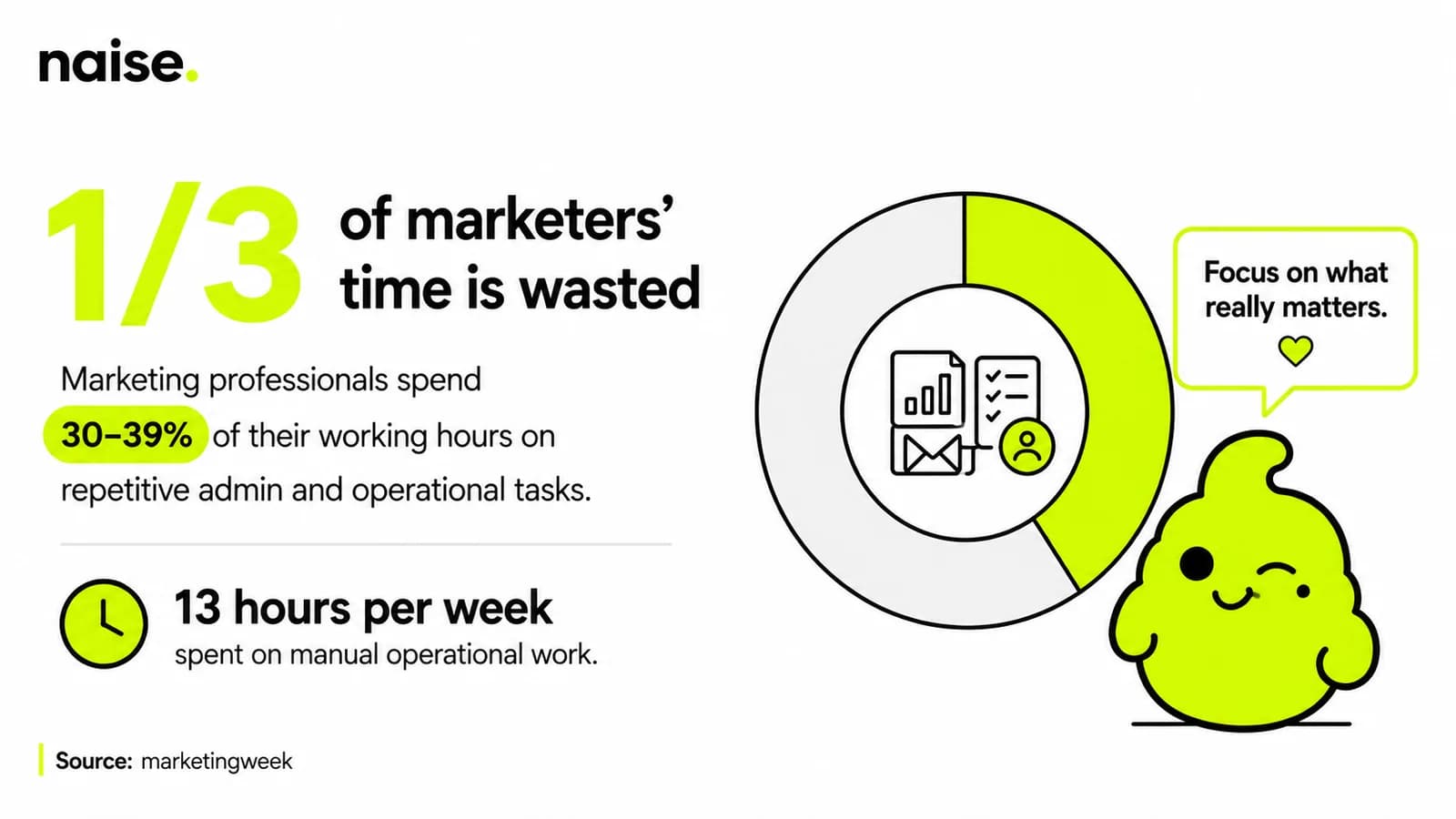
When your team is stuck babysitting a fragmented stack of disconnected software, they cannot focus on growth. The financial drain multiplies when you consider the opportunity cost of campaigns that launch late due to manual bottlenecking.
Breaking Down the Actual Cost of Manual Social Media Management
To calculate the true expense of manual execution, you must combine software subscription fees, employee hourly rates for admin tasks, and the cost of human error.
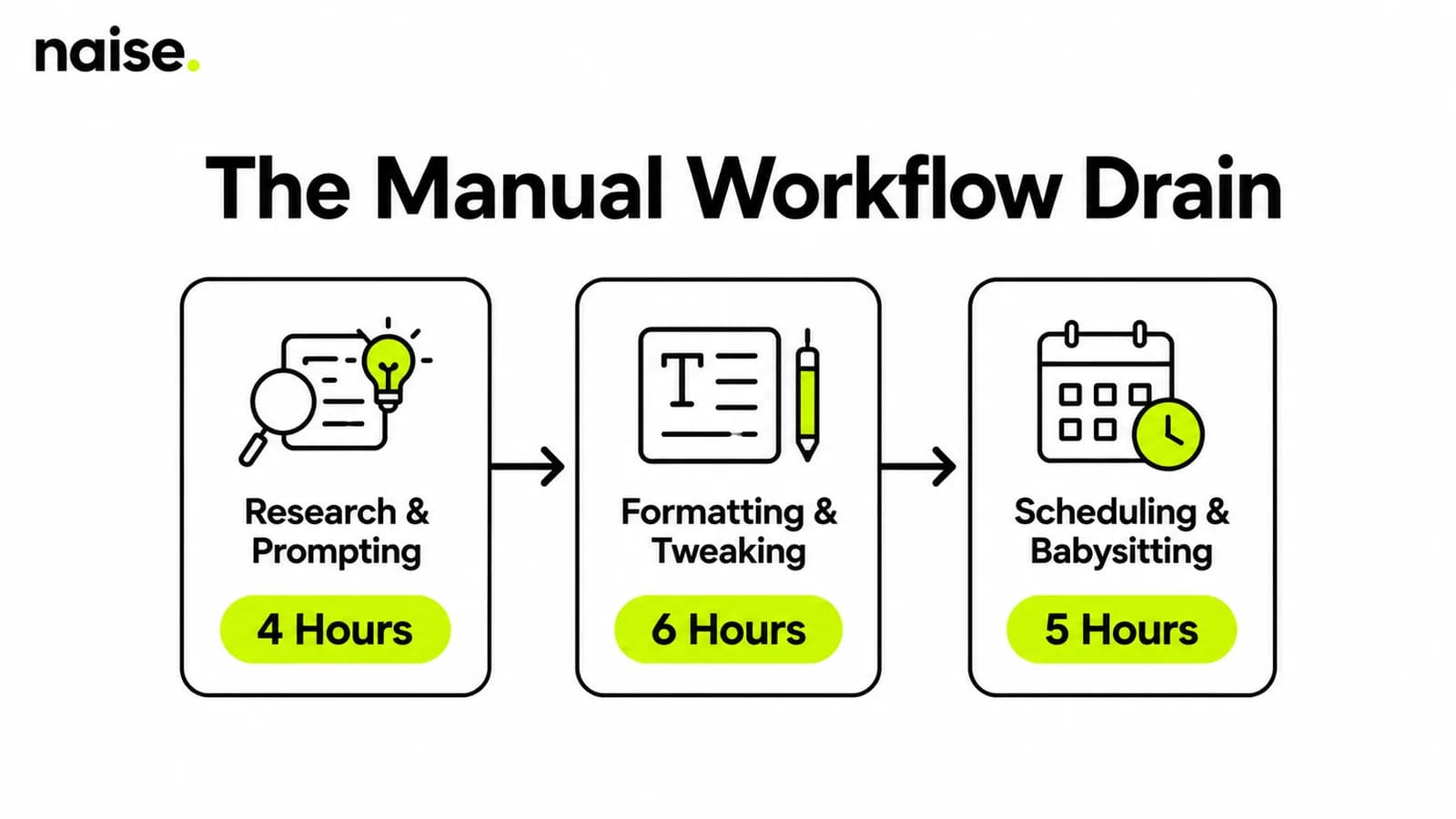
Let us look at the standard social media workflow in a lean team. First comes the research phase. A marketer spends hours jumping between trend analysis tools and competitor tracking software. Next is the drafting phase, which usually involves fighting with generic AI text generators that require endless prompting just to sound human.
After the content is finally approved, the mechanical labor begins. Your team manually formats the caption for LinkedIn, tweaks the hashtags for Instagram, and rewrites the hook for TikTok. They then log into a scheduling tool like Hootsuite or Sprout Social to drag and drop assets onto a calendar.
Every single step in this chain requires human intervention, context switching, and multiple logins. If an employee earning $30 an hour spends 15 hours a week just formatting and scheduling posts, you are spending $1,800 a month on pure data entry. This bloated overhead is exactly why lean teams struggle to scale their content output without begging for more headcount budget.
The Core Elements of a Social Media Management ROI Analysis
A proper ROI analysis compares the total monthly financial investment of your team and tools against the total revenue and brand equity generated from your social channels.
Measuring your Marketing ROI requires ruthless honesty about your current operational efficiency. You need to calculate your Total Cost of Ownership (TCO) for your current setup. This includes the salaries of your social media managers, the monthly fees for your content creation tools, and the cost of your analytics dashboards.
Once you have that number, compare it against your output. How many high-quality, brand-aligned posts are you actually publishing each week? Volume matters just as much as quality in the modern algorithm era. If your output is low because the process is slow, your ROI is actively tanking.
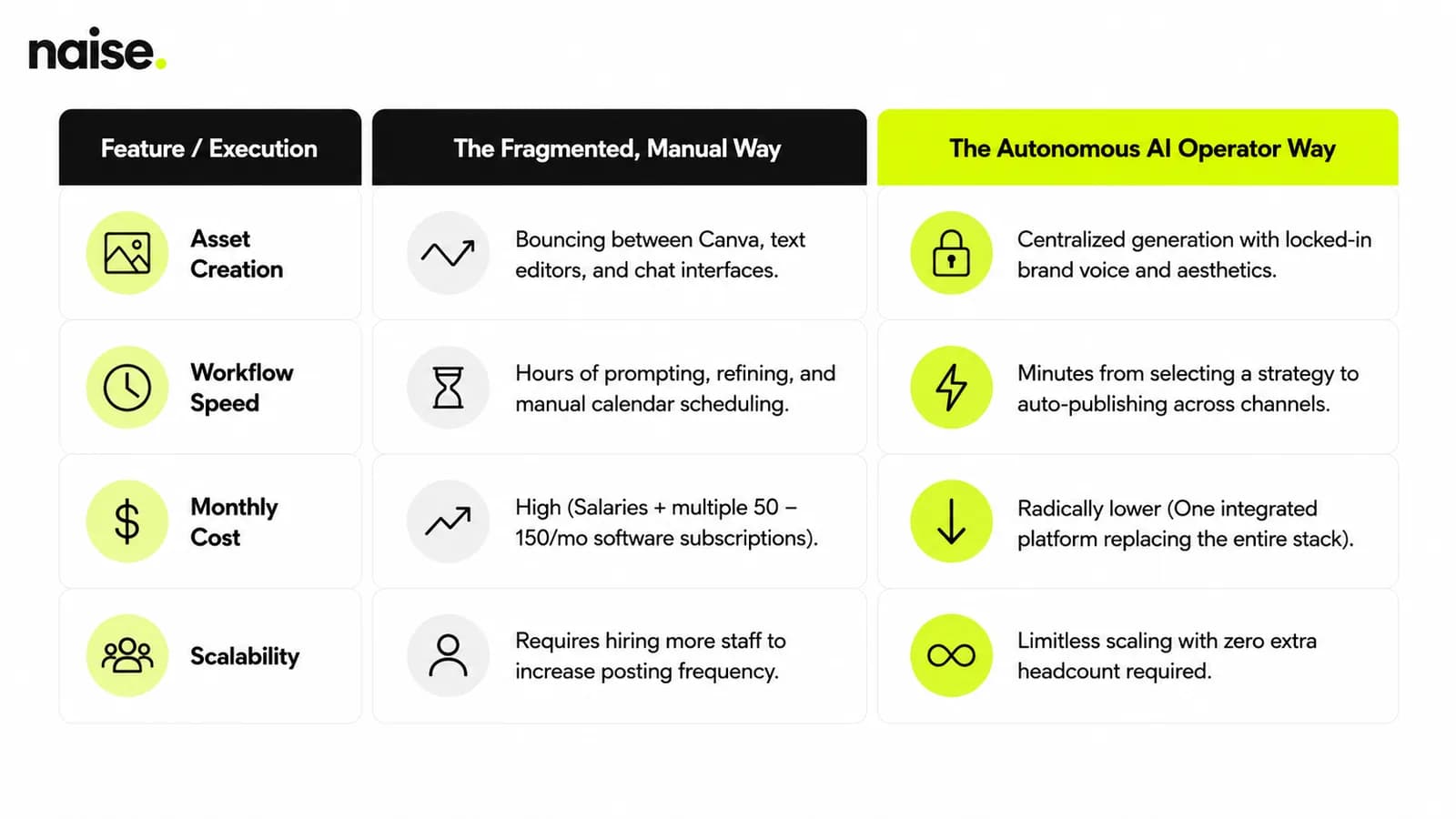
The contrast becomes staggering when you map it out. Here is how the traditional, manual approach stacks up against a consolidated, autonomous workflow.
Why Adding More Headcount Doesn't Solve the Fragmented Stack
Hiring more junior staff to manage a broken system simply scales your inefficiency and increases your monthly burn rate.
When overwhelmed by tasks, the default reaction for many managers is to request a bigger budget for new hires. However, throwing human labor at an operational problem is an expensive band-aid. You are essentially paying human beings to act as glue between incompatible SaaS tools.
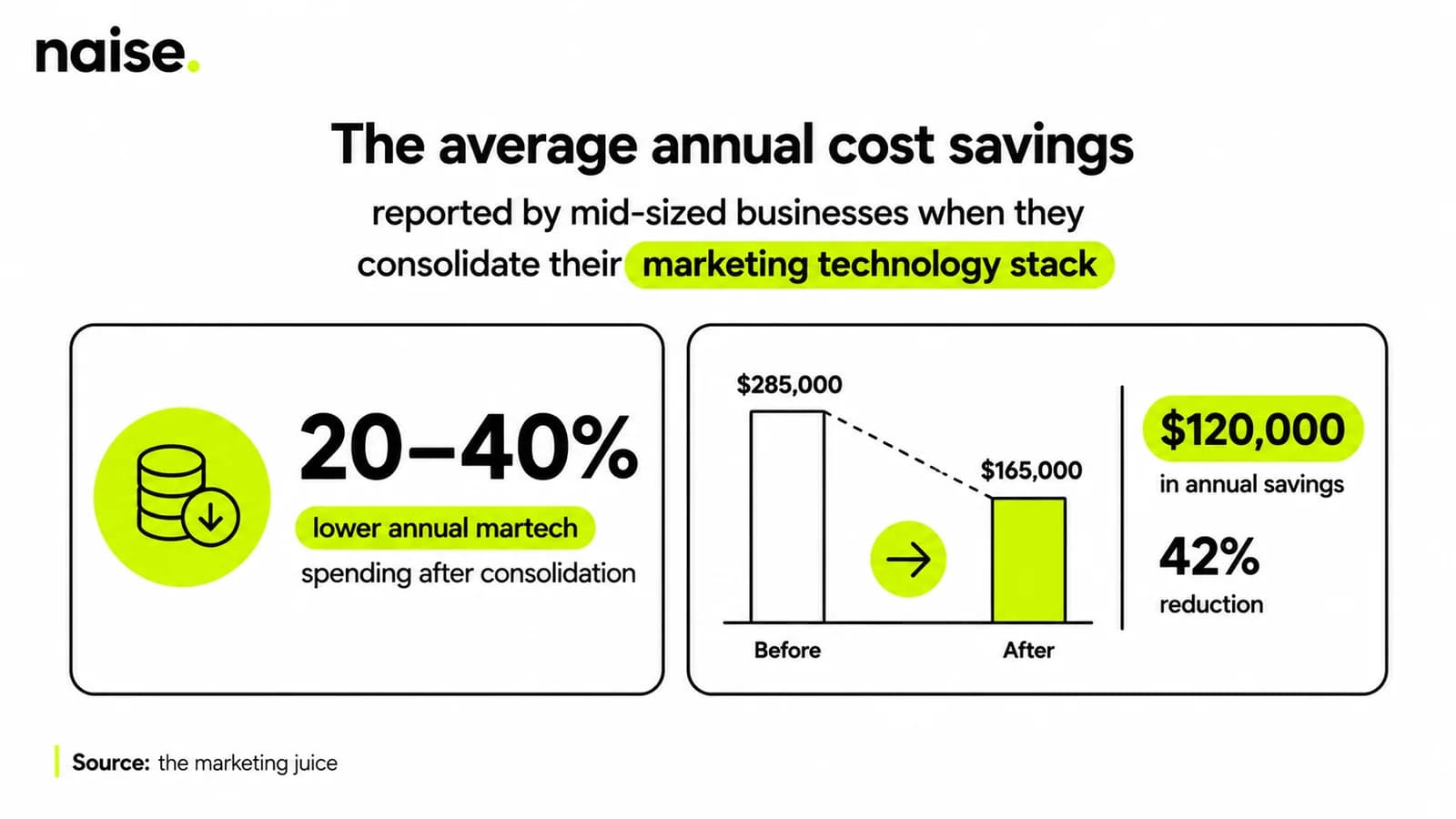
A new hire will still face the same prompt fatigue when trying to maintain your specific brand voice. They will still waste hours checking boxes in your project management software like Asana or ClickUp. The system itself is the bottleneck, not the lack of hands. Fixing your Marketing ROI requires upgrading the system to one that executes autonomously.
How to Reclaim Your Budget with the Naise SMM Agent
Naise AI eliminates manual execution by acting as your autonomous marketing operator, drastically reducing costs and boosting your social output.
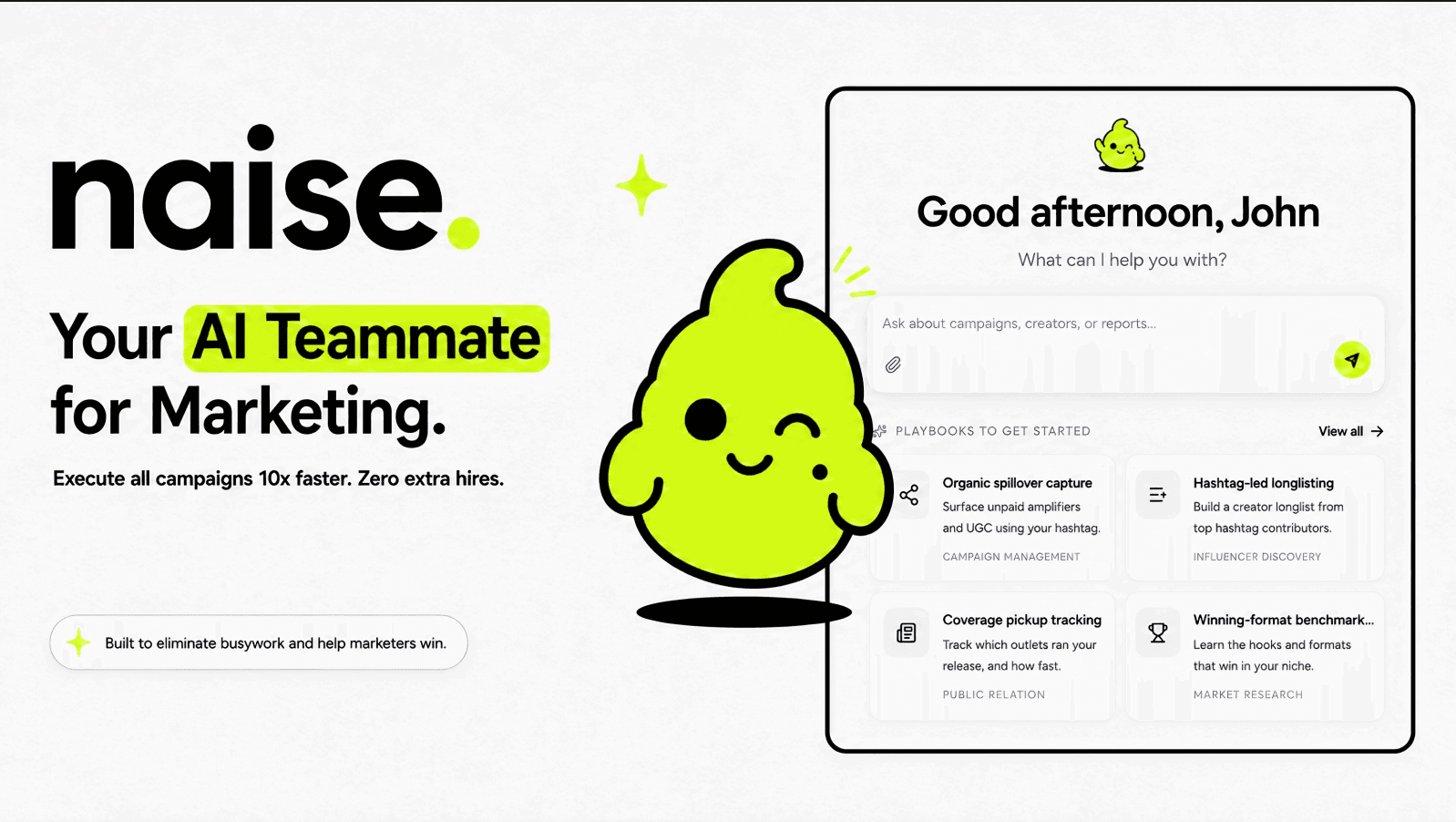
You do not need more tools. You need an AI Teammate that actually does the work for you. Naise AI is designed specifically to replace the fragmented stack and cure your prompt fatigue once and for all. Here is how you execute a month of social content in minutes.
Establish Your Brand Memory: Stop repeating yourself. Upload your brand guidelines, past performance data, and competitor research into Projects. This creates a persistent memory bank. Naise AI will never forget your tone of voice or your banned phrases.
Access Central Command: Open Naise Chat, your single interface for all marketing operations. You no longer need to log into five different platforms to get a campaign rolling.
Deploy Expert Strategies: Skip the blank page. Select one of our pre-built Playbooks (like the "Post from a brand pillar" template). These are expert-level prompts built by veteran marketers.
Let the Agent Execute: The SMM Agent takes over. It autonomously drafts the copy, generates the creative assets, flags any brand voice risks, and schedules the final posts directly to your connected social channels. You just review, approve, and check out your shopping cart.
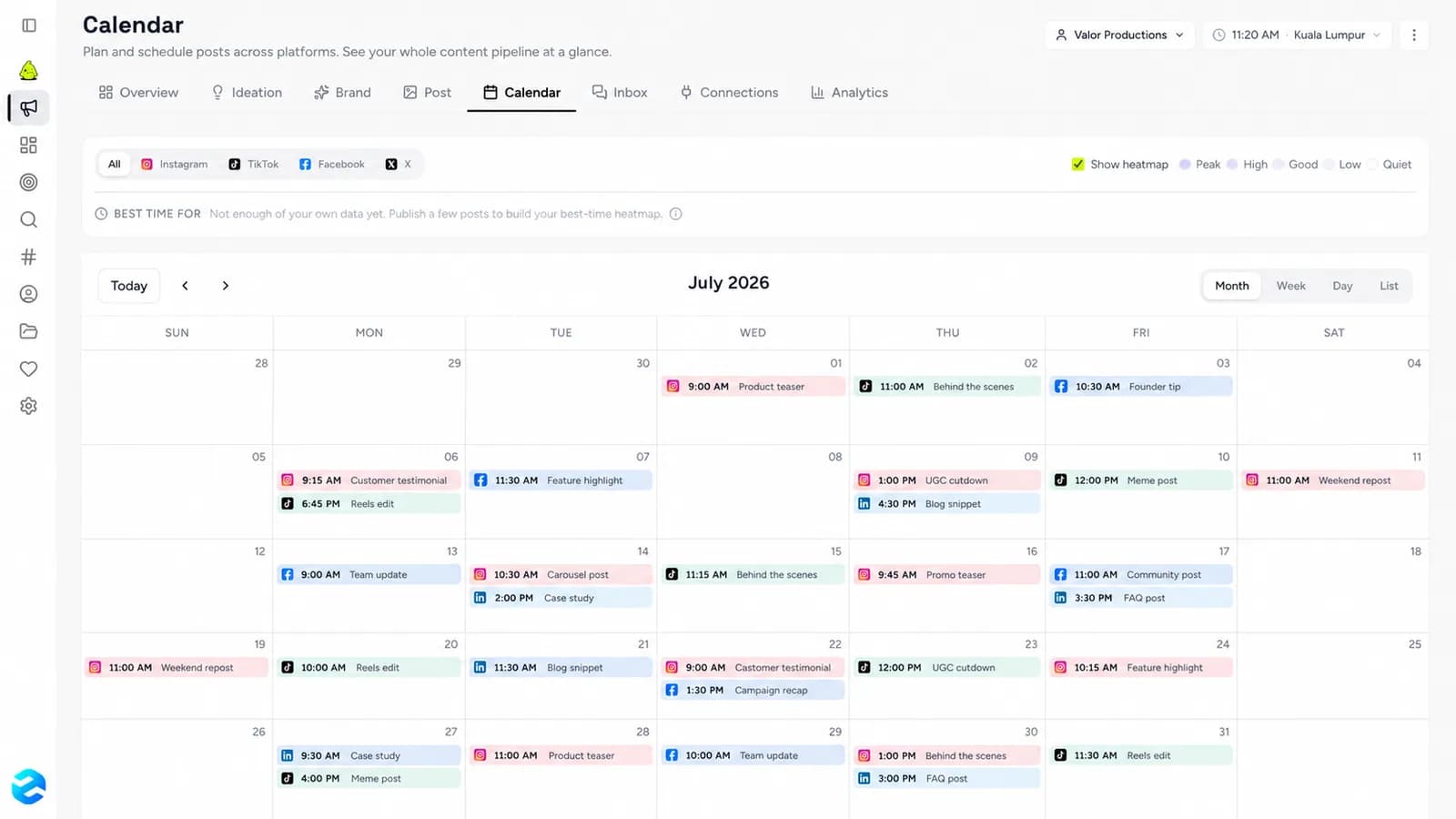
The cost of manual social media management is a luxury lean marketing teams can no longer afford. Every hour spent copying, pasting, and formatting is an hour stolen from high-level strategy and growth. By shifting the grunt work to the Naise AI ecosystem, you lock in your brand identity, scale your output effortlessly, and finally secure the ROI your budget demands. Stop babysitting your socials and let an expert operator handle the execution.
Frequently Asked Questions (FAQs)
Why is manual social media management so expensive?
Manual social media management is expensive because it relies on human labor for highly repetitive, mechanical tasks. Marketing professionals spend a significant portion of their paid hours on data entry, formatting text for different platforms, and navigating multiple disconnected software tools. This bloats operational overhead and prevents teams from focusing on revenue-generating strategies.
How does an SMM Agent improve Marketing ROI?
An SMM Agent improves your Marketing ROI by drastically reducing the time and money spent on content execution. By autonomously generating on-brand copy, designing assets, and scheduling posts natively, the agent allows you to increase your content volume without increasing your headcount. This lowers your cost-per-post while maximizing your brand's reach and engagement.
What is the difference between a generic AI tool and an AI Marketing Operator?
A generic AI text generator requires constant manual prompting, lacks persistent memory of your brand voice, and still forces you to copy-paste the output into a separate scheduling tool. An AI Marketing Operator, like Naise AI, uses structured memory (Projects) to remember your brand rules and autonomously executes the entire workflow (via the SMM Agent)—from drafting to publishing—within a single ecosystem.