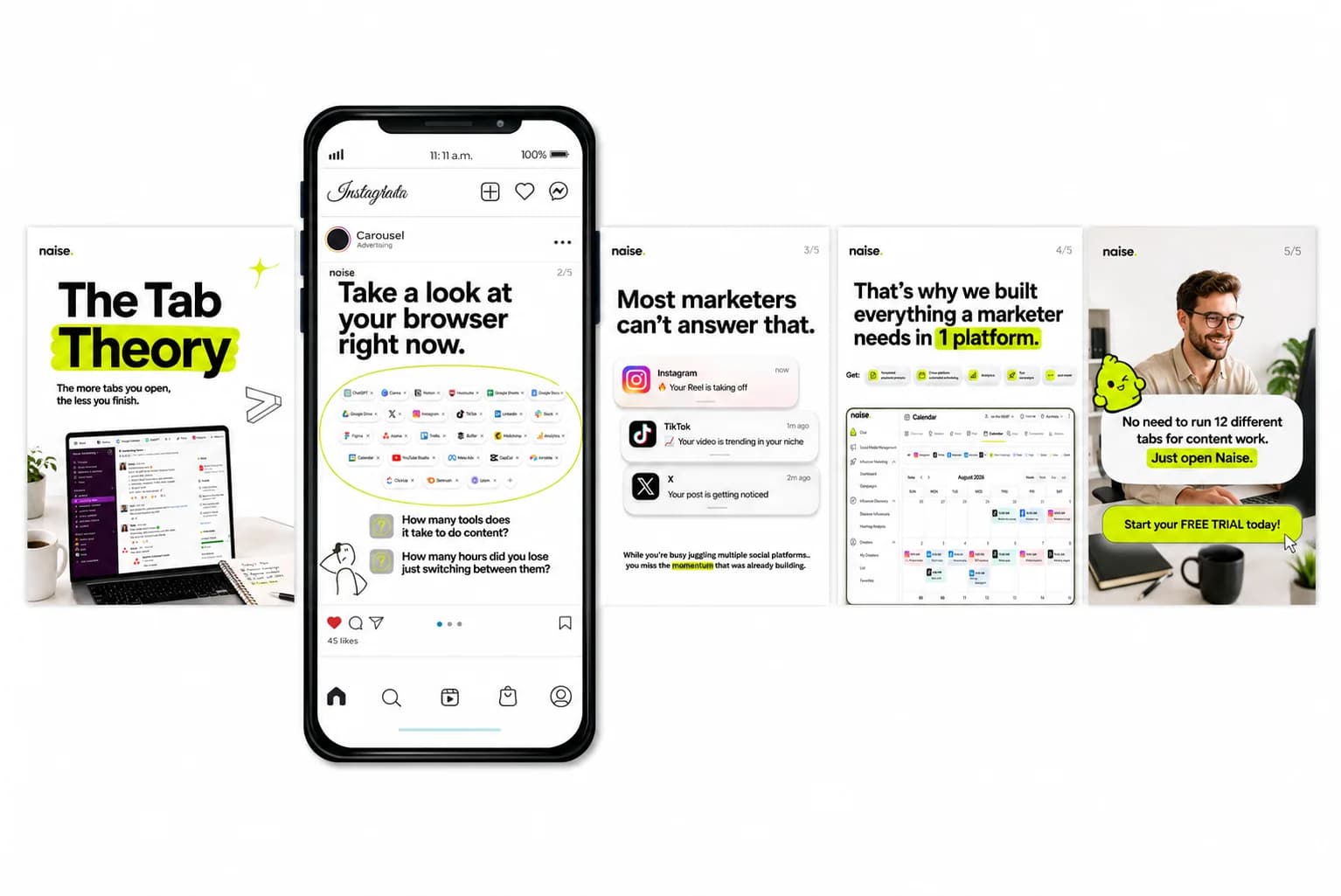
Instagram is actively shifting its ecosystem to reward multi-slide content. With the introduction of direct Instagram carousel monetization via the Bonuses Program, creators and brands can now earn direct payouts for high-engagement photo and video mixed slides. However, manually designing, formatting, and publishing these 20-slide carousels at scale is a massive drain on lean marketing teams without an autonomous SMM system in place.
How Carousel Monetization Actually Works
Eligible professional accounts can now earn direct cash payouts through the Instagram Bonuses Program based on the views and interaction metrics generated by their original carousel posts.
The algorithm has a new favorite child, and it is the carousel. Instagram is aggressively expanding its ecosystem to reward deep engagement, moving beyond just fleeting video views. The platform now features specific Bonuses for photo and carousel posts, directly accessible inside creator dashboards.
This is a massive shift from the Reels-only incentive structure. The platform now allows up to 20 mixed photo and video slides per post. More importantly, they have implemented strict original-content distribution protections. This means aggregators who simply mass-repost your hard work are suppressed, while authentic creators are prioritized for payouts and reach.
The real secret weapon here is the "Second Chance" Algorithm Loop. If a user scrolls past your carousel without swiping, Instagram doesn't give up. It actively re-serves the post to them on a later app visit, starting them on the next unseen slide. This effectively doubles your exposure chances for every single carousel you publish.
Qualification and Setup Requirements
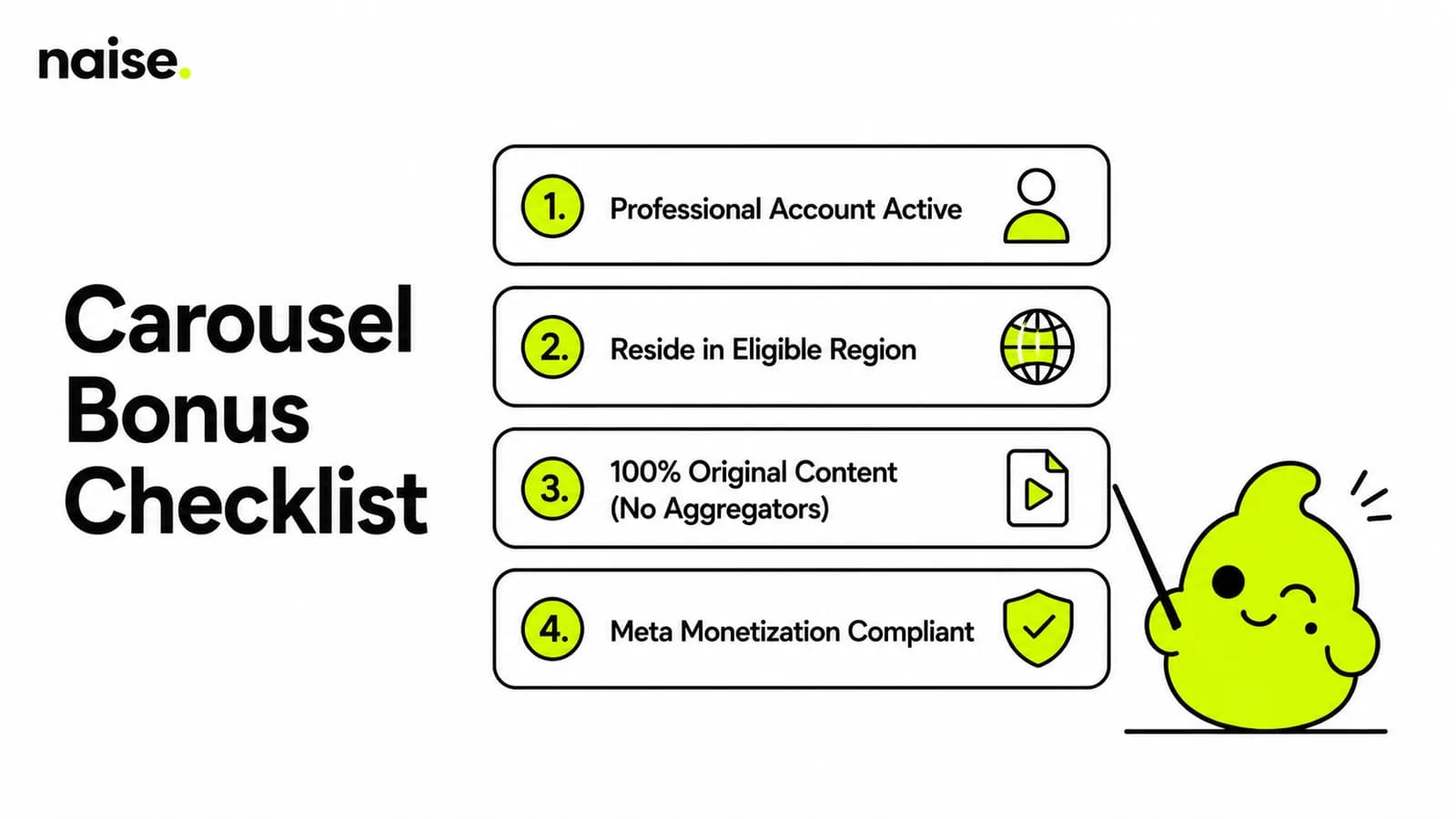
To access these payouts, users must check their Professional Dashboard under the Monetization tab for the invite-only Bonuses program, ensuring their content adheres strictly to original formatting rules.
Before you start planning a massive carousel campaign, you need to ensure the plumbing is connected. The Instagram carousel monetization feature is not globally unlocked by default. It requires specific account types and adherence to strict platform rules.
First, you need to navigate to your Professional Dashboard, select Monetization, and then Bonuses. This is where you will see if your account has been selected for direct post-performance payouts. Currently, these direct bonus payouts are primarily scaled across invite-only availability tests in select regions, including the US, Japan, and South Korea, though the rollout is expanding.
Furthermore, it is not just about posting multiple pictures. Qualifying carousels often require specific formats, such as the inclusion of trending music or specific video elements integrated within the slides. Most importantly, the content must strictly adhere to Meta's content monetization guidelines—meaning zero copyrighted material and absolutely no watermarked aggregator content.
The High-Conversion Carousel Strategy
A winning carousel requires a bold, keyword-rich hook on slide one, a structure of 8 to 14 cohesive slides to optimize dwell time, and the integration of trending audio.
Knowing that you can get paid for carousels is one thing; actually creating carousels that the algorithm loves is another. You are competing for the most valuable currency on the internet: dwell time. You need a strategy that actively stops the scroll and forces the swipe.
Slide 1 is your billboard. It requires a bold, keyword-rich title card to immediately capture attention. If slide one fails, the remaining 19 slides do not matter.
Once they swipe, you must optimize for Dwell Time. The data shows that structuring 8 to 14 cohesive slides—whether it is a checklist, a step-by-step breakdown, or a compelling photo narrative—rewards the user for their time. Finally, do not ignore the audio. Attaching relevant trending or ambient music tracks to your carousels helps push them into hybrid discovery feeds, vastly increasing your potential reach.
The Ultimate Guide to Crafting Scroll-Stopping Hooks
Stop Designing, Start Executing with Naise AI
Naise AI eliminates the manual labor of carousel creation by using the SMM Agent to autonomously generate perfectly formatted, on-brand slides and schedule them directly to Instagram.
Understanding the strategy is easy. Executing a high-volume carousel strategy is exhausting. If your marketing manager has to manually design 14 slides in Figma, write the caption, find the trending audio, and manually schedule the post, you are burning valuable resources on grunt work.
This manual bottleneck is exactly why lean teams fail to capitalize on new monetization features. You cannot outpace the algorithm with manual labor. You need an autonomous operator. You need Naise AI.
Here is how you turn this monetization update into actual revenue without adding to your headcount:
Lock in the Brand Voice: Upload your visual guidelines and tone of voice to your Projects folder. Naise never breaks character.
Deploy the SMM Agent: Open Naise Chat and select the appropriate Playbook for your campaign.
Automate the Carousel: The SMM Agent autonomously generates the 10-slide narrative, formats the visual assets perfectly for Instagram's aspect ratio, and crafts the compelling caption.
Clock out on time: Review the generated carousel, approve the final look, and let the agent handle the automated publishing.
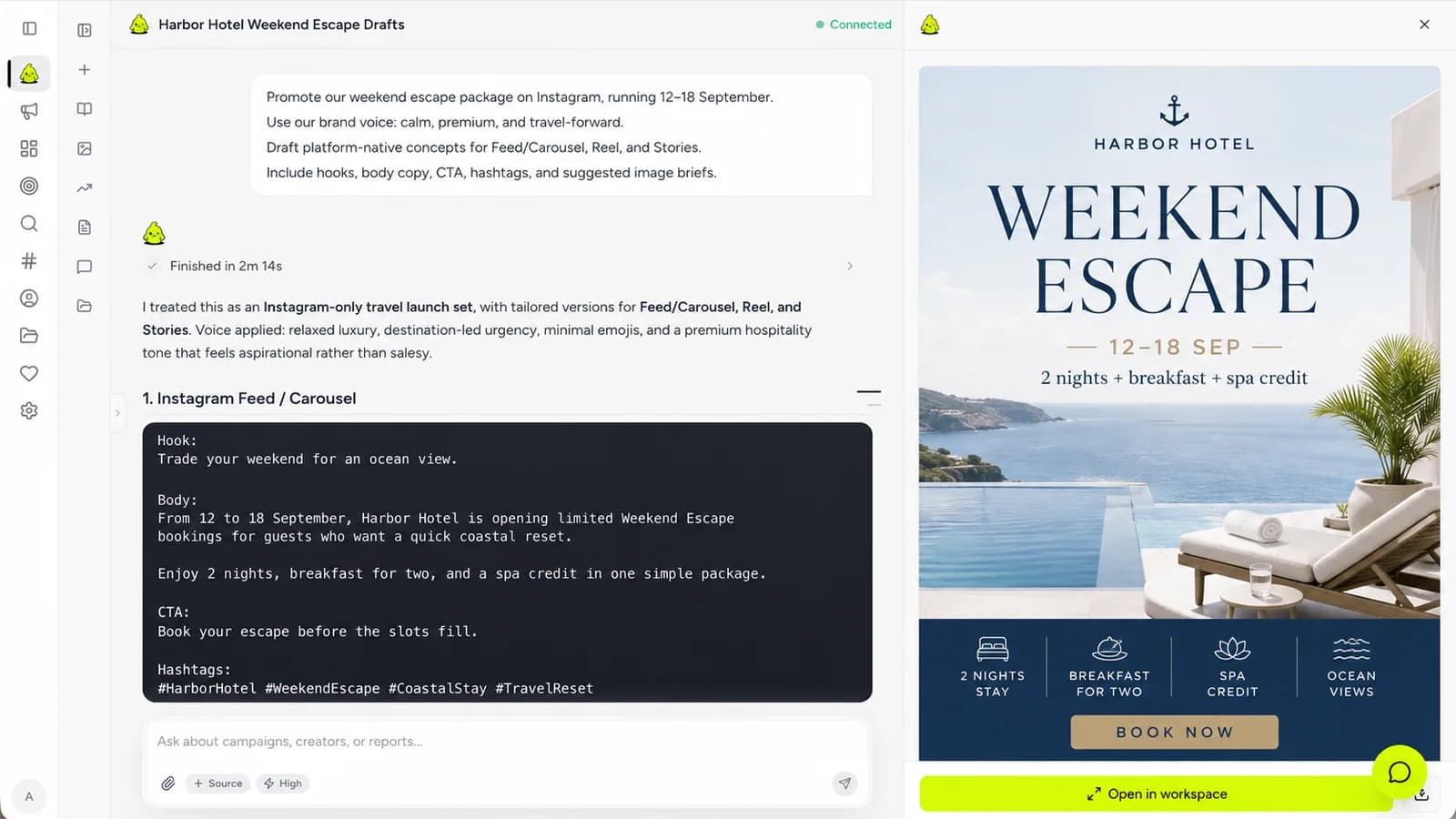
Instagram is literally paying you to create deeper, more engaging content. The introduction of carousel monetization is a massive opportunity, but only for the brands that can execute at scale. Stop letting your team drown in manual design work and fragmented scheduling tools. Let our technology handle the heavy lifting of carousel creation so you can focus on the overarching growth strategy.
FAQs
Can you monetize Instagram carousels?
Yes. Eligible creators with Professional accounts can now earn direct cash payouts through the Instagram Bonuses Program based on the performance and engagement of original photo and carousel posts.
How many slides should an Instagram carousel have?
While Instagram allows up to 20 slides, data suggests that structuring 8 to 14 cohesive slides is optimal for maximizing dwell time and encouraging users to swipe through the entire post.
What is the Instagram Second Chance algorithm loop?
If a user sees your carousel in their feed but scrolls past without swiping, the algorithm may re-serve that same post to them later, automatically starting on the second slide, effectively doubling your chances of engagement.
How can I automate Instagram carousel creation?
Tools like Naise AI use autonomous agents, specifically the SMM Agent, to automatically generate slide copy, format visual assets to match your brand guidelines, and schedule the multi-slide posts directly to Instagram, eliminating manual design time.