The internet is buzzing with viral claims about a massive Instagram nighttime ban starting September 10. In reality, Meta is responding to US legal pressure by testing a strict digital curfew that blocks access for teenage users between 12:00 AM and 6:00 AM. Social media professionals need to understand this shift to adjust their late-night engagement strategies and adapt to evolving platform safety rules.
The Midnight Curfew: What is Meta Actually Doing?
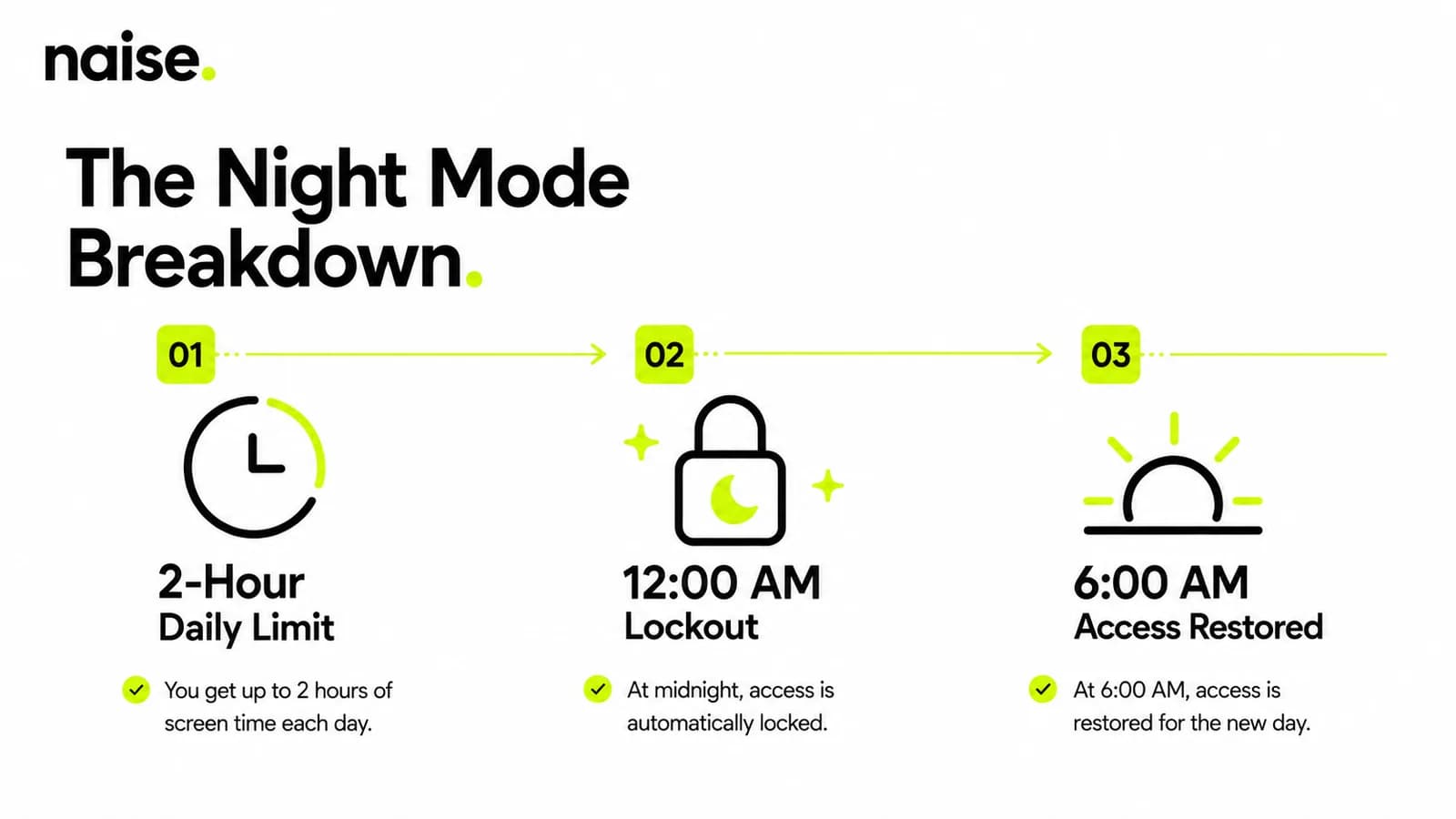
Meta is preparing to implement a new feature that restricts teenage users from accessing Instagram and Facebook between the hours of 12:00 AM and 6:00 AM. This default "Night Mode" enforces healthier digital habits and responds directly to mounting legal pressure regarding youth online safety.
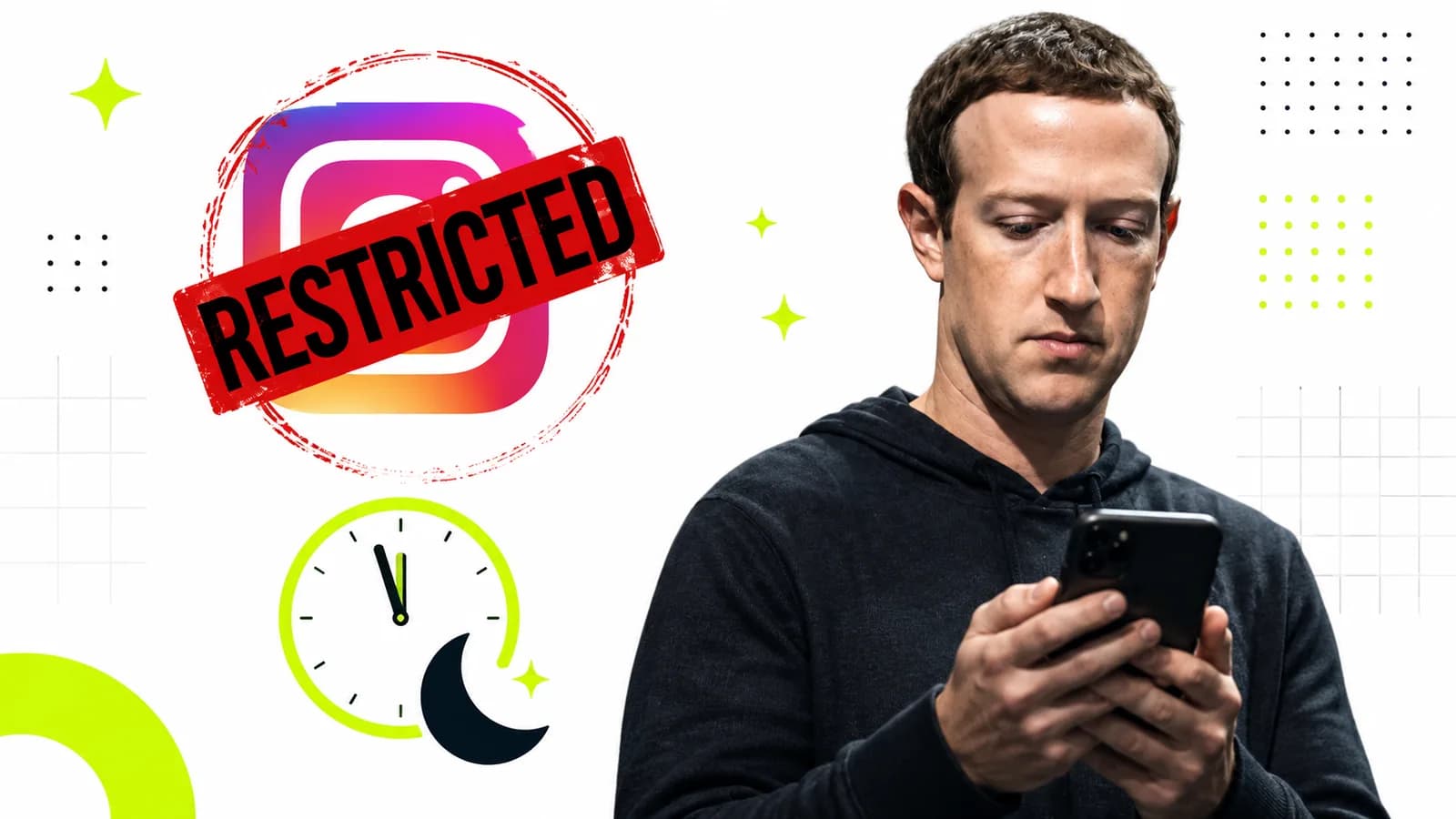
Rumors fly incredibly fast on social media platforms when they involve taking away user access. The recent panic started when aggressive graphics began circulating online claiming Mark Zuckerberg was facing intense legal action. These posts showed stark warnings indicating the app would be completely closed for the night. Many casual users immediately assumed this was a total platform shutdown for everyone.
The actual reality of this situation is much more targeted and specific. Meta has reached a major agreement following years of legal battles with multiple states across the US. These participating territories alleged that Facebook and Instagram were designed in ways that intentionally encouraged excessive use among children. While Meta firmly denies these allegations, they have agreed to implement significantly stronger protections for young users.
The core of this new agreement introduces a mandatory digital curfew for teenagers. Under this proposed system, anyone registered as under 18 will find their apps temporarily disabled at midnight. They will not be able to scroll through feeds, send messages, or view notifications until 6:00 AM the following morning. Additionally, teens will face a default two-hour daily usage limit that requires parental permission to bypass.
This move represents a major shift in how tech giants handle the complex issue of youth safety. Instead of relying entirely on parents to set manual screen time limits, the platform itself takes authoritative control. It forces a hard pause on endless scrolling during critical sleep hours for a highly vulnerable demographic. For marketers and creators, this means a significant chunk of the Gen Z audience will completely vanish from the platform during this specific six-hour window.
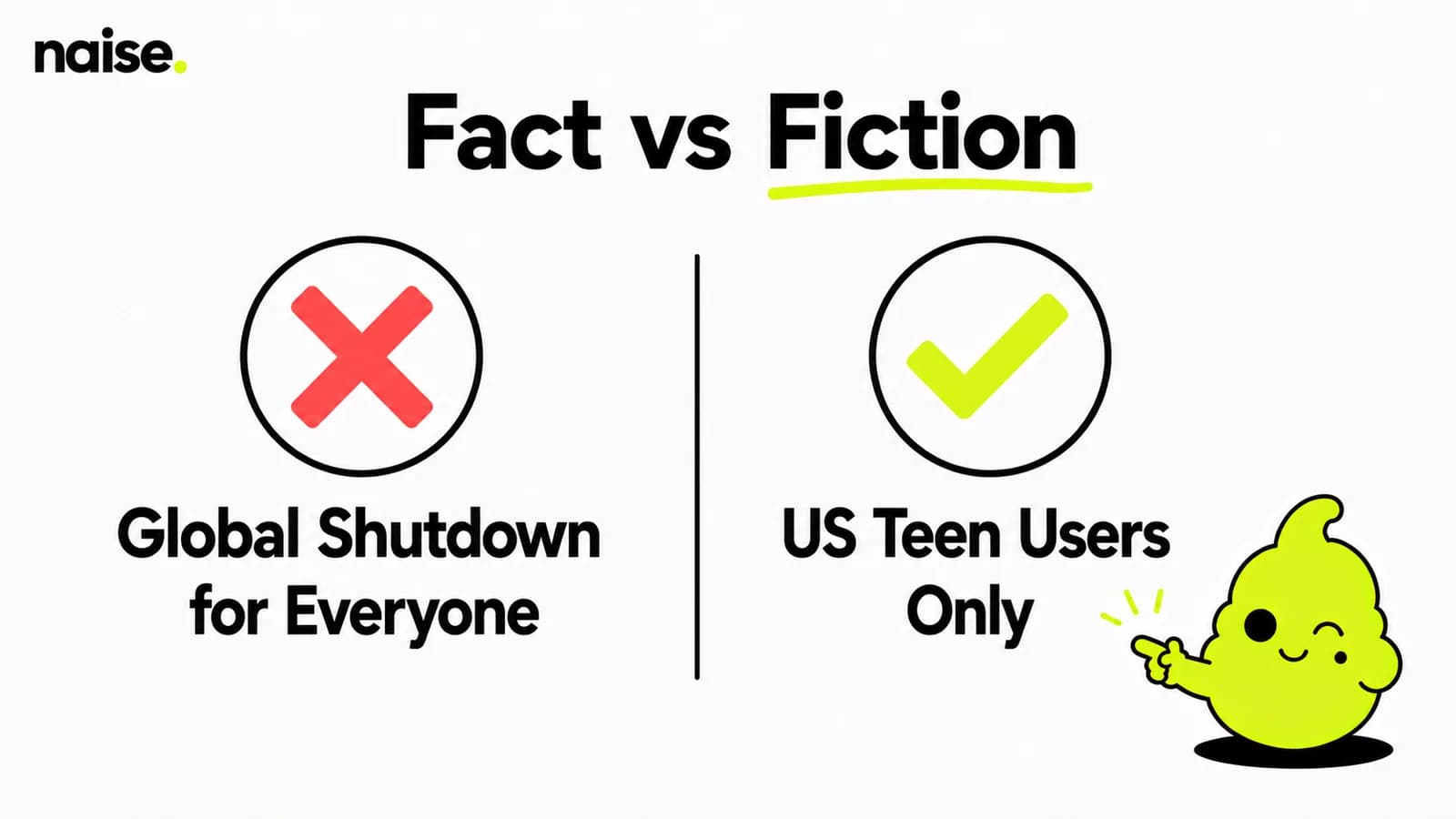
Fact vs. Fiction: Is Instagram Shutting Down Globally?
No, Instagram is not shutting down globally for all users, and the September 10 deadline is a fabricated rumor. The proposed 12 AM to 6 AM restriction currently targets only teen users and is tied strictly to specific legal agreements within the United States.
Whenever a major platform update leaks to the public, widespread misinformation immediately follows close behind. Viral posts from massive meme pages claimed that Instagram would be entirely closed every night starting on September 10. Some of these highly shared graphics even boldly stated this would affect all users across major nations like India, the UK, and Russia. This is a classic case of internet telephone getting wildly out of hand.
The actual restriction stems directly from organized pressure within the United States legal system. Under the new agreement involving 30 different US states, Meta is facing mandates to implement stronger youth protections locally. The curfew is a direct response to these specific legal pressures and remains pending judicial approval. It is absolutely not a worldwide ban impacting adult users or international markets overnight.
Furthermore, international markets already have different protective frameworks in place for younger audiences. For example, India already features specific Teen Accounts with built-in protections like time-limit reminders and Sleep Mode. However, Meta has previously described that specific Sleep Mode as running from 10 PM to 7 AM to simply mute notifications and automatically reply to messages. It does not shut down the platform entirely for the entire country.
Only about 29% to 48% of parents internationally actively use parental control features on social media, with platform-specific usage as low as 29% on video and image-sharing apps and around 48% when including broader parental control apps. Marketers should monitor these localized developments closely, as US regulations often set a powerful precedent for future global platform updates.
The Great Debate: Protection vs. Overreach
The nighttime ban has sparked intense debate, with advocates praising it for improving teen sleep quality, while critics argue it represents excessive corporate control over personal digital freedom and online access.
The public reaction to this proposed restriction has been wildly divided across the internet. On one side of the argument, mental health professionals and parents are largely celebrating the decisive move. Sleep deprivation among teenagers is a widely documented crisis that is heavily fueled by late-night digital scrolling. By enforcing a hard stop at midnight, Meta is completely removing the temptation that keeps young minds awake.
This forced disconnection could drastically improve baseline mental health for a highly impressionable demographic. However, the opposing side views this development as a highly dangerous precedent for corporate control. Critics argue that a mandatory six-hour blackout strips away personal agency and fundamental online access. They question whether a private social media company should actively act as a digital parent.
There are also highly practical concerns regarding modern youth communication habits. Many teens use Instagram direct messages as their primary form of contact rather than traditional text messaging. Blocking access entirely could potentially cut them off from peers during late-night emergencies or collaborative study sessions. This ongoing debate perfectly highlights the incredibly complex balance between user safety and digital freedom in the modern era.
What This Means for Your Social Media Strategy
If millions of active users are forced offline at midnight, Social Media Algorithms will likely adjust by lowering the priority of late-night publishing and shifting peak engagement windows earlier in the evening.
Every single user action on a platform directly impacts the underlying algorithm. If Meta successfully implements this ban, a massive segment of highly engaged users will disappear completely every single night. This sudden drop in nighttime traffic will force platforms to heavily recalibrate how they serve content.
For a Social Media Manager, this fundamentally changes the calculus for scheduling organic posts. Historically, late-night posting aimed at Gen Z could effectively capture the notorious "doomscrolling" audience. With that specific audience locked out, publishing at 1:00 AM might result in complete dead air. The algorithm thrives on immediate early interaction, and without teens awake to provide those initial likes, organic reach could easily stall.
Brands will need to quickly tighten their Content Strategy and focus heavily on daytime or early evening peaks. This means relying much heavier on robust scheduling tools to hit those optimized windows accurately without staying up late. If you want to master these constantly shifting timelines, checking your current brand performance is a great first step.
Platform rules can literally change overnight without any warning. Whether it is a new algorithm update, a sudden usage restriction, or a completely new legal framework, the digital space never stops moving. As marketers, stressing over every single viral rumor is a massive waste of creative energy. The best possible strategy is to stay highly agile, build a solid foundation, and rely on systems that adapt quickly.
Your daily workflow shouldn't have to break just because a platform decides to abruptly update its terms of service. Let your tools handle the tedious grunt work, the complex scheduling, and the rapid pivots. This frees you up to completely focus on the big picture strategy while you clock out on time. Ready to see exactly where your brand stands right now?
FAQs
What is the Instagram nighttime ban? The nighttime ban is a proposed feature by Meta that would restrict teenage users from accessing Instagram and Facebook between 12:00 AM and 6:00 AM. It acts as a mandatory digital curfew designed to improve youth sleep habits.
Is Instagram shutting down for everyone on September 10? No. The viral rumor claiming Instagram is shutting down globally on September 10 is completely false. The proposed curfew only applies to users registered as under 18 years old in participating US states.
Will the midnight restriction affect Instagram users in India? The current 12 AM to 6 AM total restriction is tied to US legal agreements. While India has existing Teen Accounts with a 10 PM to 7 AM Sleep Mode, it currently only mutes notifications rather than locking the app entirely.
Why is Meta restricting Instagram at night? Meta is introducing these restrictions to directly combat youth screen addiction and respond to legal pressure from multiple US states. The overarching goal is to provide much stronger digital protections for minors.
Can teenagers bypass the Instagram bedtime limit? Under the proposed US agreement, the 12 AM to 6 AM block and the default two-hour daily limit are strict defaults. Bypassing these specific limits will reportedly require verified parental permission.