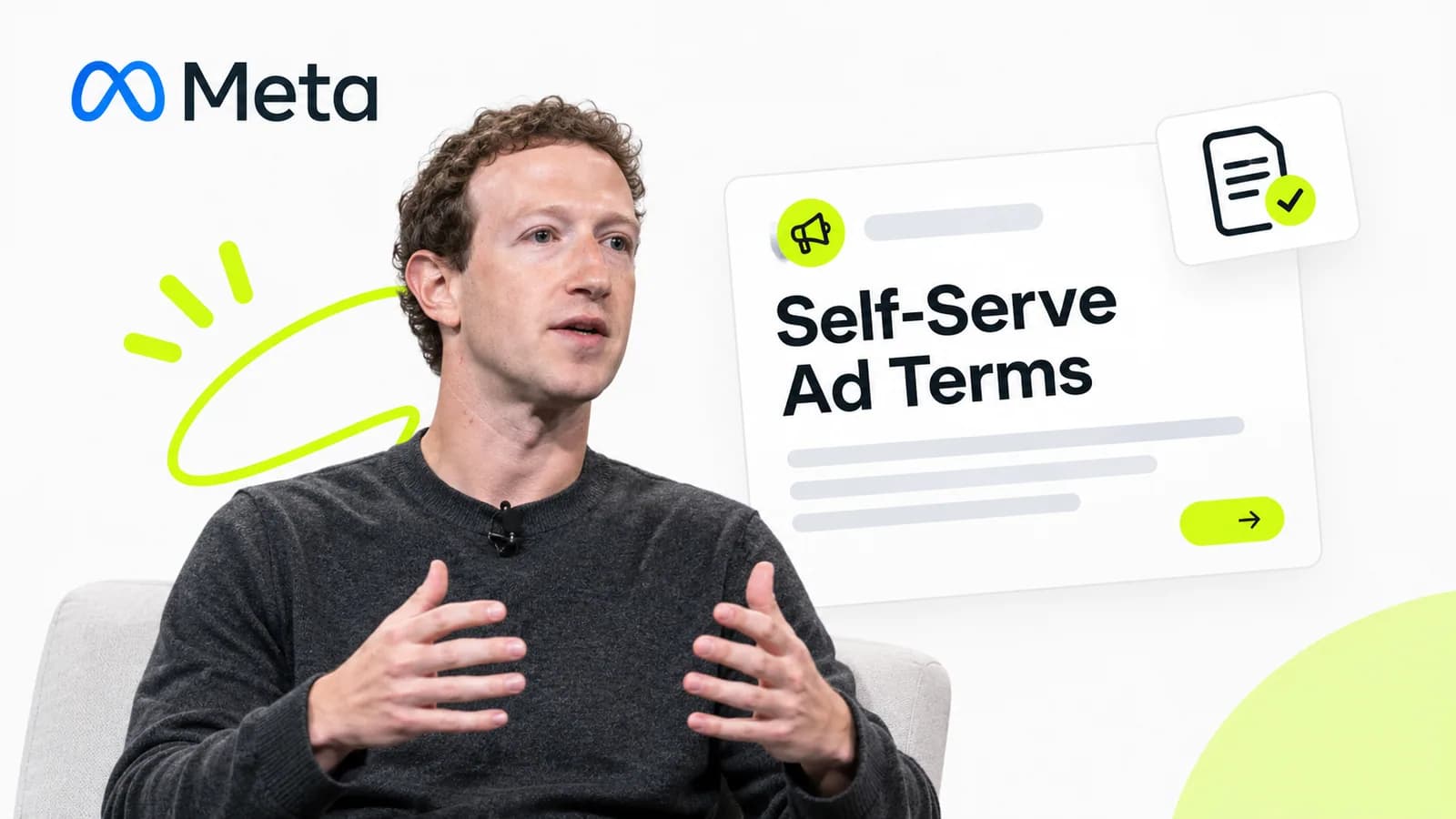
On October 30, Meta is rolling out a massive update to its Self-Serve Ad Terms. Advertisers are now legally liable for content created by Meta’s AI, campaigns can be auto-tested without consent, and paused ads might bill you for an extra 24 hours. With paid social becoming a chaotic liability right before Black Friday, auditing your organic strategy is no longer optional.
What Does Meta's October 30 Terms Update Mean for Your Q4 Campaigns?
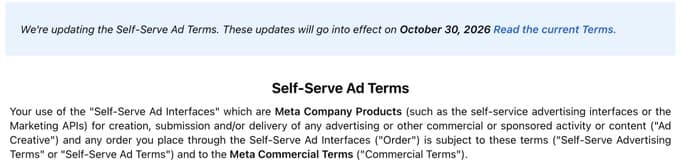
Continuing to advertise after October 30, 2026, means you automatically accept Meta's updated Commercial Terms, assuming all financial and legal risks associated with forced campaign testing and AI-generated content.
E-commerce founders and media buyers are entering the most critical spending season of the year. You spend months dialing in your Cost Per Acquisition (CPA) and preparing creatives for the Black Friday rush. Now, Meta is dropping a massive policy update right in the middle of Q4.
The new Self-Serve Ad Terms and Commercial Terms take effect on October 30, 2026. There is no grandfather clause and no opt-out button. If you want your campaigns to stay live, you are forced to accept a fundamental shift in how accountability is handled on the platform.
The core theme of this update is highly concerning for marketers. Meta wants to automate your media buying while transferring all the legal and financial risk onto your shoulders. From unannounced campaign testing to assuming liability for their AI mistakes, your safety net is entirely gone.
The AI Responsibility Clause: You Own Meta’s Mistakes
Under the new terms, advertisers assume 100% legal and financial responsibility for any compliance violations or mistakes made by Meta's native AI and Advantage+ creative enhancements.
This is arguably the most unhinged change in the entire document. If you run Advantage+ Shopping Campaigns, you already know that Meta frequently forces auto-enhancements by default. Their AI might slap a random lo-fi beat over your video or completely rewrite your primary text.
The updated terms explicitly state that if their native AI makes a mistake, you are the one held responsible. If the algorithm hallucinates a false discount claim that violates consumer trust, your Business Manager takes the strike. You simply cannot blame the machine when your account gets banned.
For 7-to-9 figure e-commerce brands, this is a literal compliance nightmare. Every single AI-generated headline or visual variant must clear your internal review.
The Undisclosed Testing Clause: Surrendering Campaign Control
Meta reserves the right to run unannounced tests on your active campaigns, altering pricing, delivery, and targeting without requiring your consent or notifying you beforehand.
Imagine it is the morning of Black Friday. Your store is primed, your inventory is loaded, and your ads are finally pacing perfectly. Suddenly, your traffic drops and your Customer Acquisition Cost (CAC) spikes by a terrifying 40%.
According to the new terms, Meta can run tests across your campaigns whenever they want. These internal platform tests can directly influence your ad delivery, targeting parameters, and reporting accuracy. They do not need your permission to use your ad spend as their laboratory.
For heavily optimized campaigns, this undisclosed testing is a severe operational risk. The only mitigation strategy is aggressive daily monitoring. Media buyers must move from weekly check-ins to hourly pacing reviews to catch these forced tests before they destroy a peak-season budget.
Training Meta’s AI With Your Store
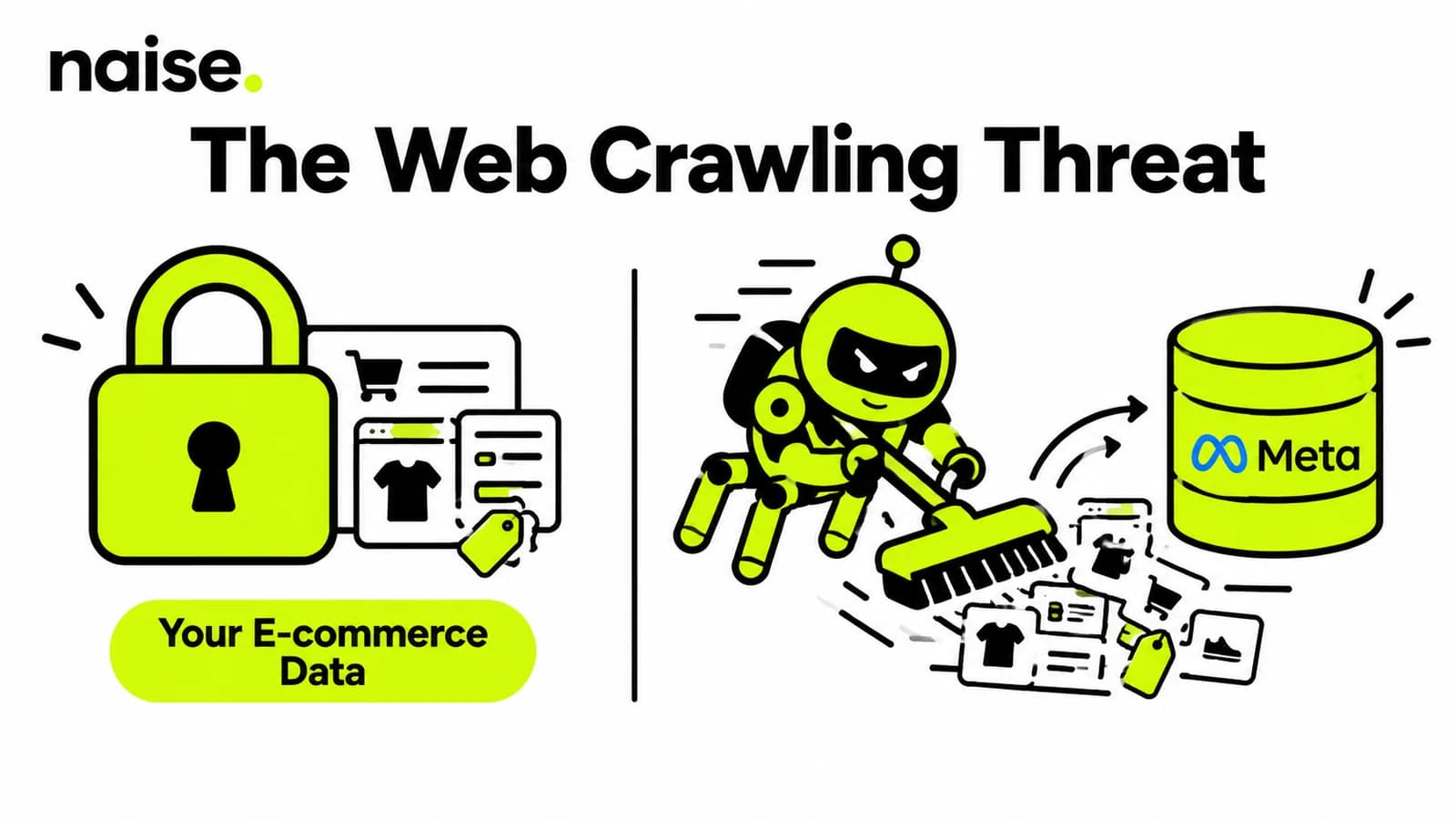
The updated terms grant Meta sweeping permissions to send bots to crawl your e-commerce store and use all extracted data to train their proprietary AI models.
If you thought your website data was strictly yours, this update changes the rules. The Commercial Terms give the platform the right to crawl your store, create test accounts, and ingest everything they find. This goes far beyond just syncing your Facebook Product Catalog.
They are reading your landing pages, extracting your blog content, and analyzing your proprietary formulations. This data is then used to research and develop their native AI products. If you leave your site open, you are volunteering your hard work to train the algorithms that power your competitors.
Brands need an urgent conversation with their development teams. You must assess whether your server-side blocks need strict updating before the deadline.
The 24-Hour Billing Trap on Paused Campaigns
Pausing an ad no longer guarantees immediate stoppage, as Meta’s updated terms state that campaigns can continue to run and accrue charges for up to 24 hours after being turned off.
Media buying requires immediate agility. When a creative is bleeding money, you kill it immediately. That is the fundamental rule of performance marketing.
However, this update introduces a deeply frustrating caveat for budget management. When you turn off an ad, it can theoretically keep running in the background for up to 24 hours. Naturally, you are entirely responsible for paying for those lingering, unwanted impressions.
If you are aggressively scaling and hit the brakes on a $5,000 per day campaign, you could still be on the hook for significant spend. This completely contradicts the fast-paced nature of real-time digital marketing.
While Meta Plays Roulette, Bulletproof Your Organic Strategy
With paid social becoming increasingly volatile due to the new ad terms, brands must secure their organic revenue by using the Naise AI Social Audit to instantly uncover and fix engagement blind spots.
Right now, Meta is actively transferring its operational risks onto your team. When paid channels become a legal and financial liability, your organic foundation is the only safety net that keeps your revenue stable. If your Instagram feed is neglected because you are fighting ad warnings, you are going to lose this holiday season.
You need a flawless organic engine, but manual data analysis takes too long. This is exactly why we built the Social Audit feature inside Naise AI. Instead of guessing what content works, you can audit your entire brand’s social presence in exactly one click, entirely for free.
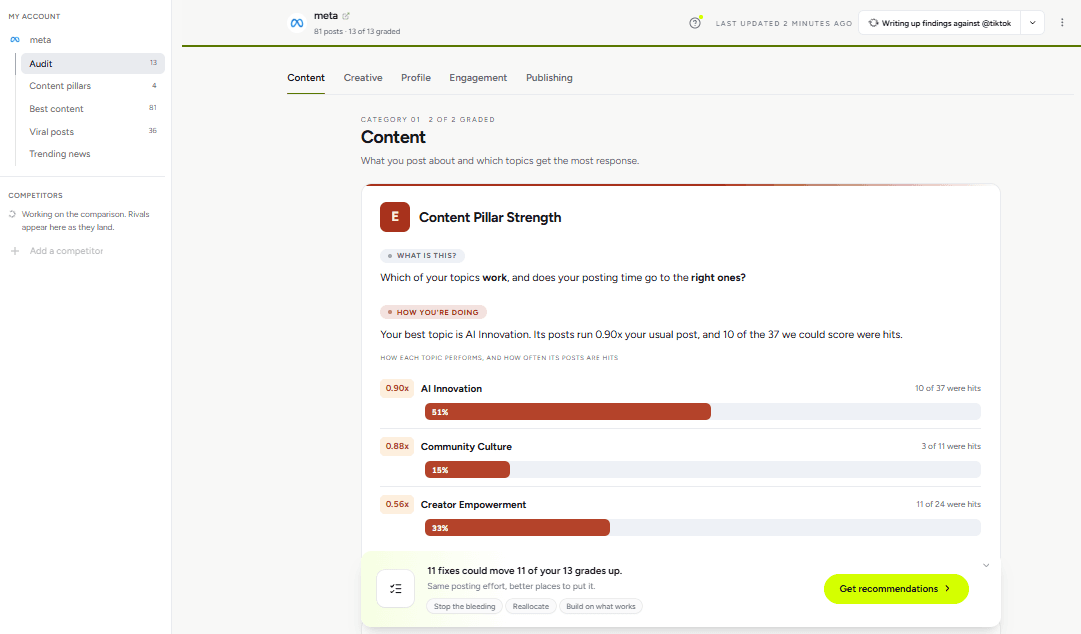
Just drop your Instagram URL into the Dashboard. Our system instantly scans your last 30 posts and grades your brand across five crucial pillars. You immediately see your Content Pillar Strength, revealing exactly what your audience actually cares about.
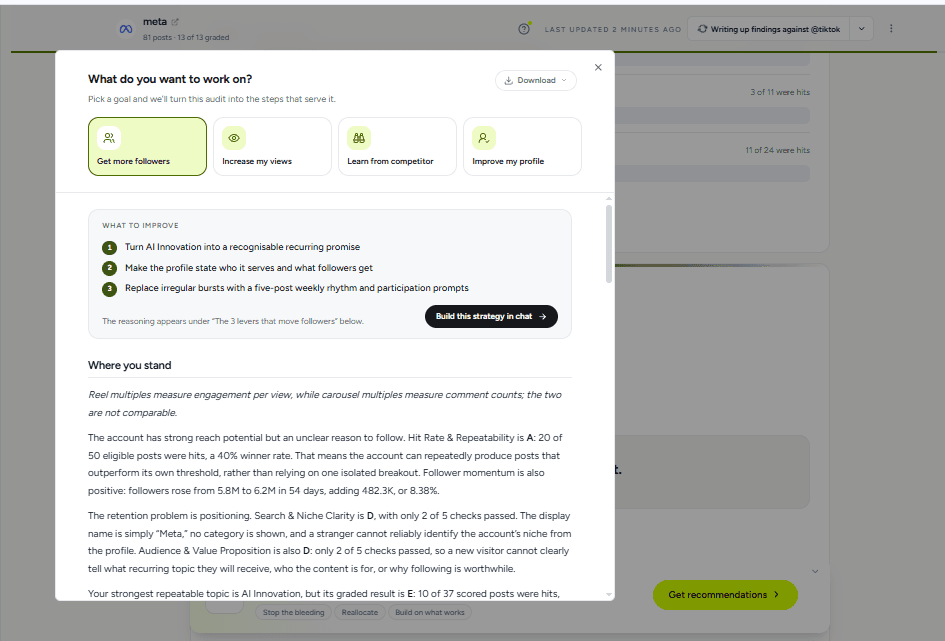
Once the audit identifies a specific weakness, like a low Reel Engagement Rate, you simply click the "Build this strategy in chat" button. This ports your audit directly to the Social Media Agent. It autonomously drafts captions, generates on-brand visuals using your Projects memory, and plans your calendar. We prep the campaigns. You serve the results.
FAQs
Can I opt out of Meta's October 30 Ad Terms update?
No. By continuing to use the self-serve ad interfaces after October 30, 2026, you automatically accept the updated Commercial Terms. There is no option to reject the terms while keeping your active ad accounts live.
Who is liable if Meta's AI creates a non-compliant ad?
Under the new terms, the advertiser assumes full legal and financial responsibility for any content generated or altered by automated processes and Meta's native AI tools. You are held liable even if you did not manually approve the specific AI edit.
Will Meta charge me after I pause an active campaign?
Yes, the updated terms explicitly state that when you turn off an ad or campaign, it may continue to run in the background for up to 24 hours. You are financially responsible for any ad spend accrued during this delayed pause window.
What is the Naise AI Social Audit?
The Naise AI Social Audit is a free diagnostic tool that instantly analyzes an Instagram account's last 30 posts. It grades performance across five key pillars and seamlessly connects to Naise AI Agents to automatically execute organic strategies to fix any identified weaknesses.