Why Speed Beats Polish in Agency Marketing
Reactive marketing relies on striking while the iron is hot, meaning an average post published in one hour beats a perfect post published in one week.
Agencies face a brutal reality in 2026 regarding cultural trends. You spot a massive pop culture moment or a sudden algorithmic shift on a major platform. Your immediate instinct is to launch a newsjacking campaign for your clients. You draft the copy in Google Docs, send it to the client via Slack, and wait for approval.
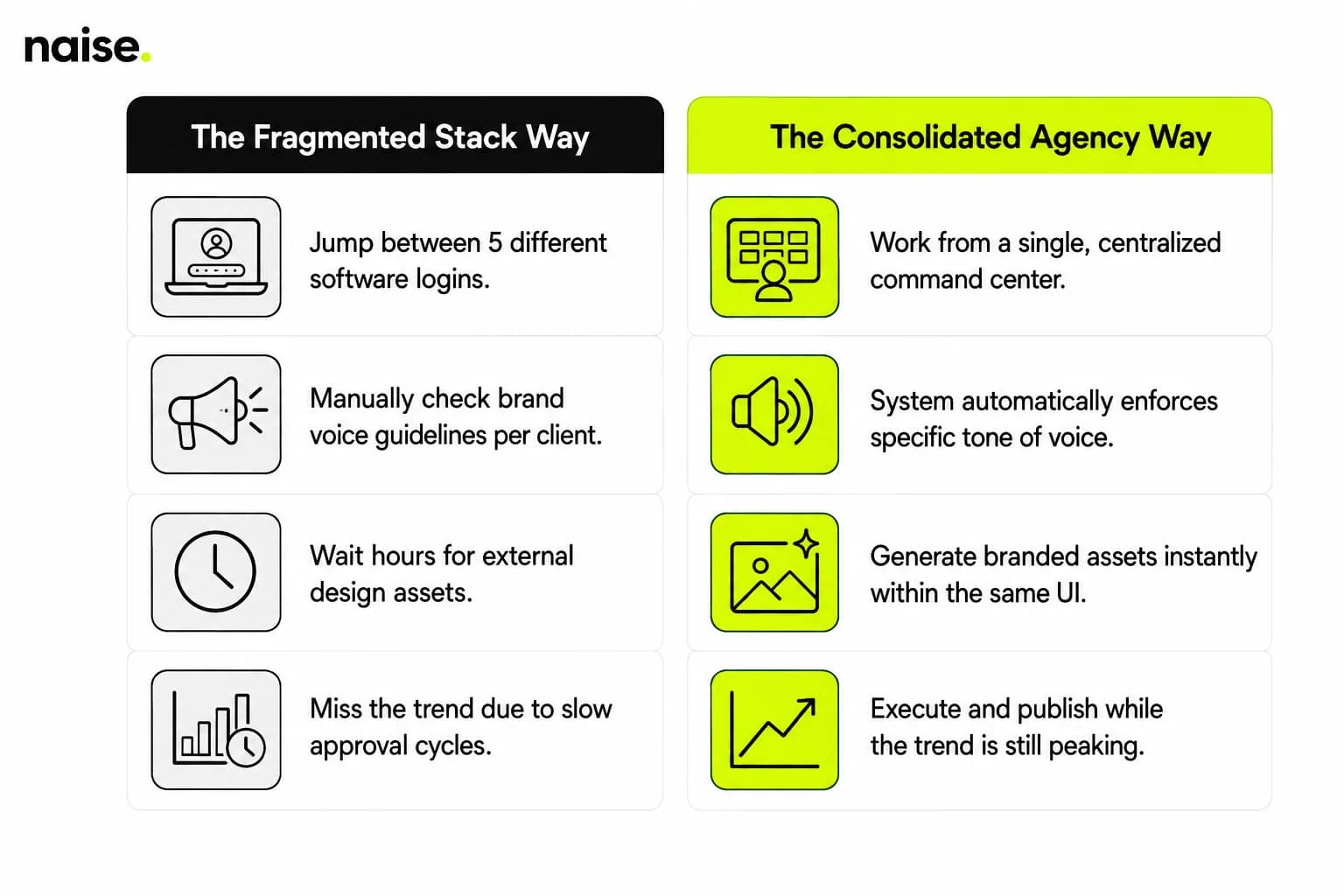
By the time the client signs off, the trend is completely dead. Your target audience has already moved on to the next viral moment. You are losing the attention economy because your approval workflow is built for 2015.
To execute a true reactive marketing strategy for agencies, you must ruthlessly eliminate bottlenecks. This means stripping away unnecessary project management software steps that delay deployment. You need a system that translates a trend into a live post in minutes.
The Anatomy of a Winning Reactive Campaign
A successful reactive campaign requires immediate context gathering, rapid asset creation, and frictionless publishing.
You cannot plan for sudden news, but you can plan your reaction mechanism. First, you need reliable social listening tools to identify the spike in conversation early. Once identified, your creative team must pivot instantly. They need immediate access to the client's brand guidelines and visual assets.
The fatal flaw for most agencies is tool fatigue. Jumping between Notion for the brief, Canva for the design, and Sprout Social for the scheduling creates friction.
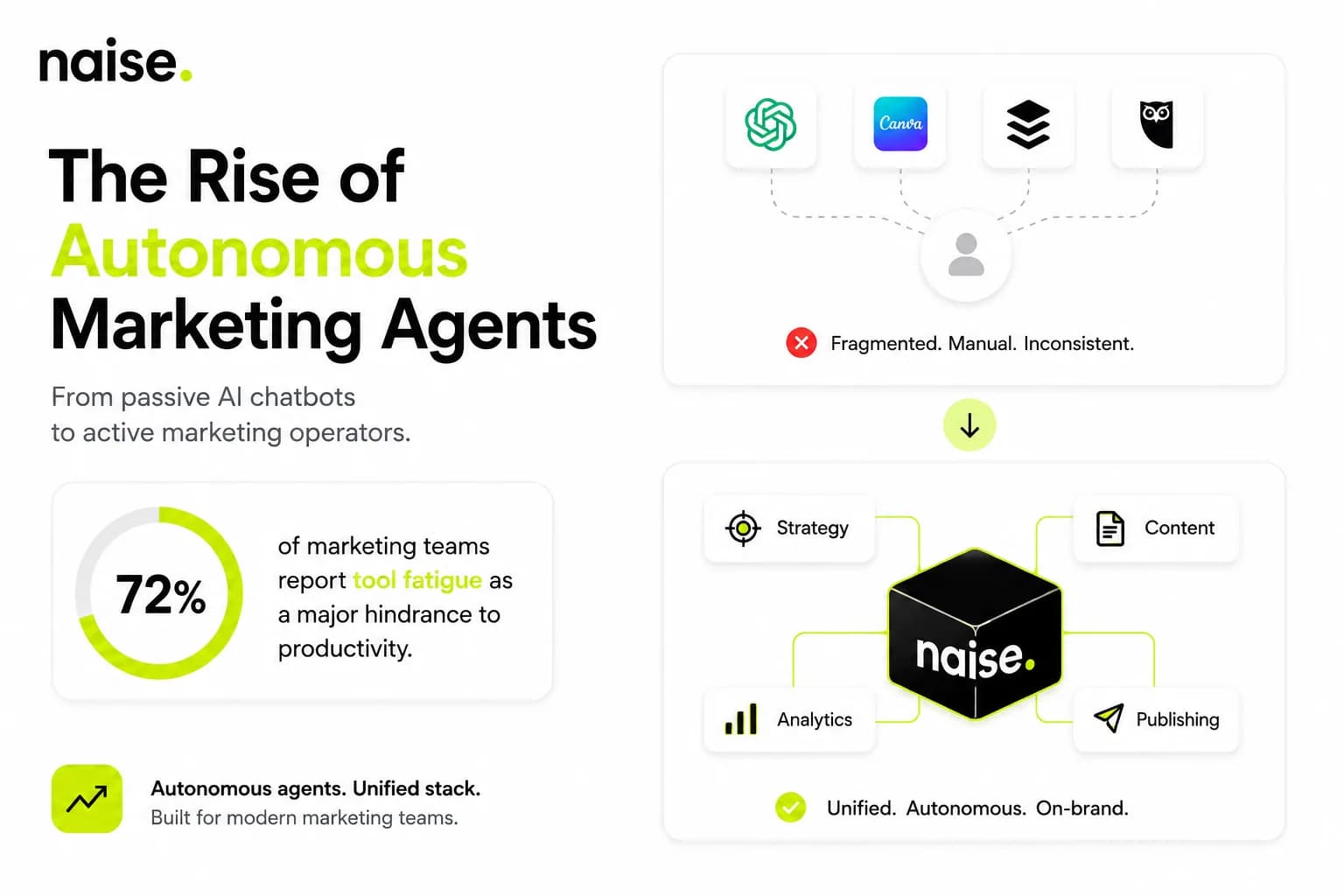
Every platform switch costs you precious minutes in a reactive environment.
You must rethink how your team operates under pressure. The goal is a centralized hub where the brief, the creation, and the publishing happen in one fluid motion.
Building a Real-Time Agency Workflow
To capitalize on trends, agencies must pre-load their client knowledge so the execution phase requires zero manual research.
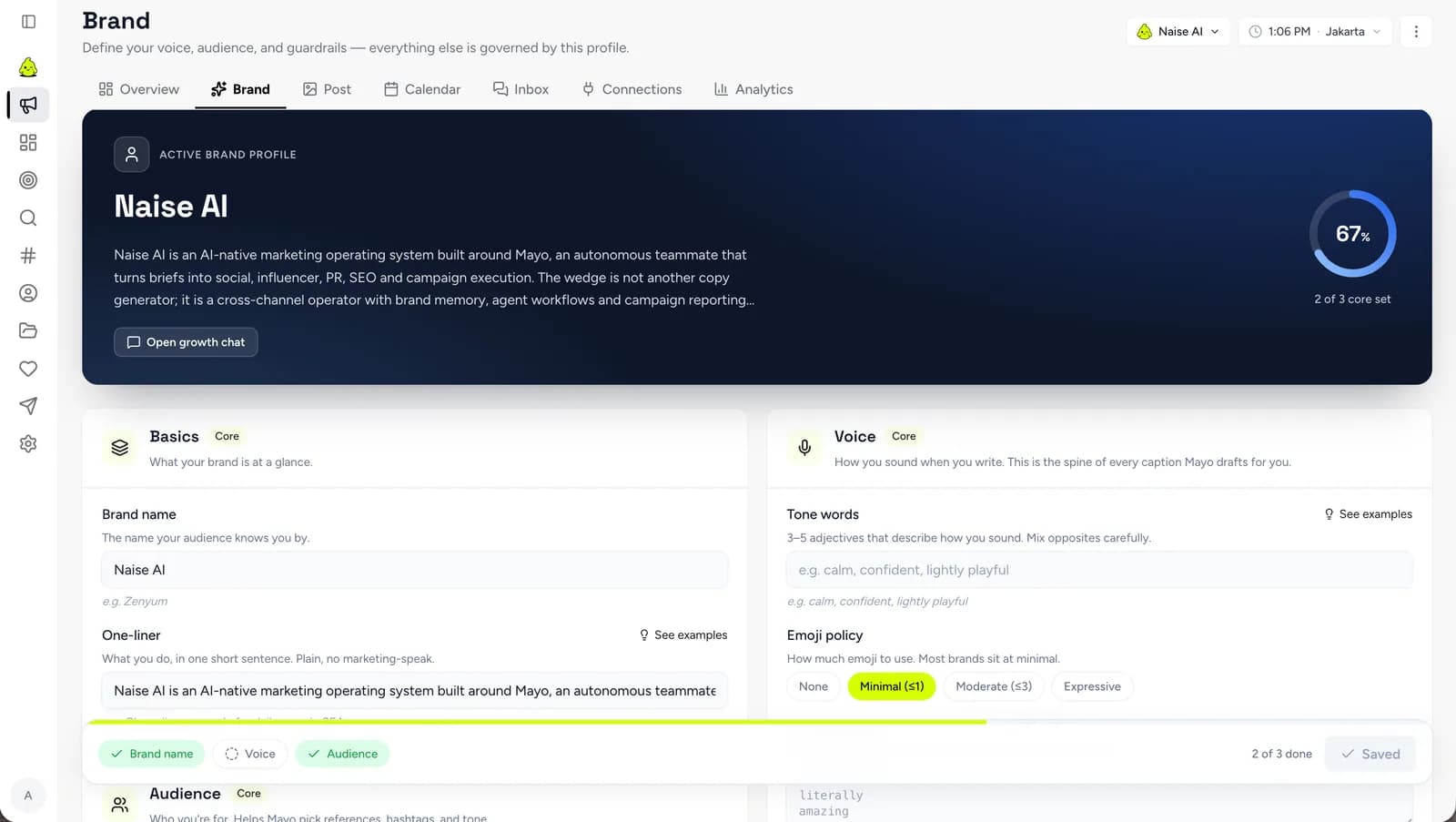
When a trend hits, you should not be asking what emojis your client prefers. All of that foundational brand identity data must exist in an easily accessible format. The best agencies use a centralized content management system that automatically applies client rules to new ideas. This prevents off-brand mistakes when moving fast.
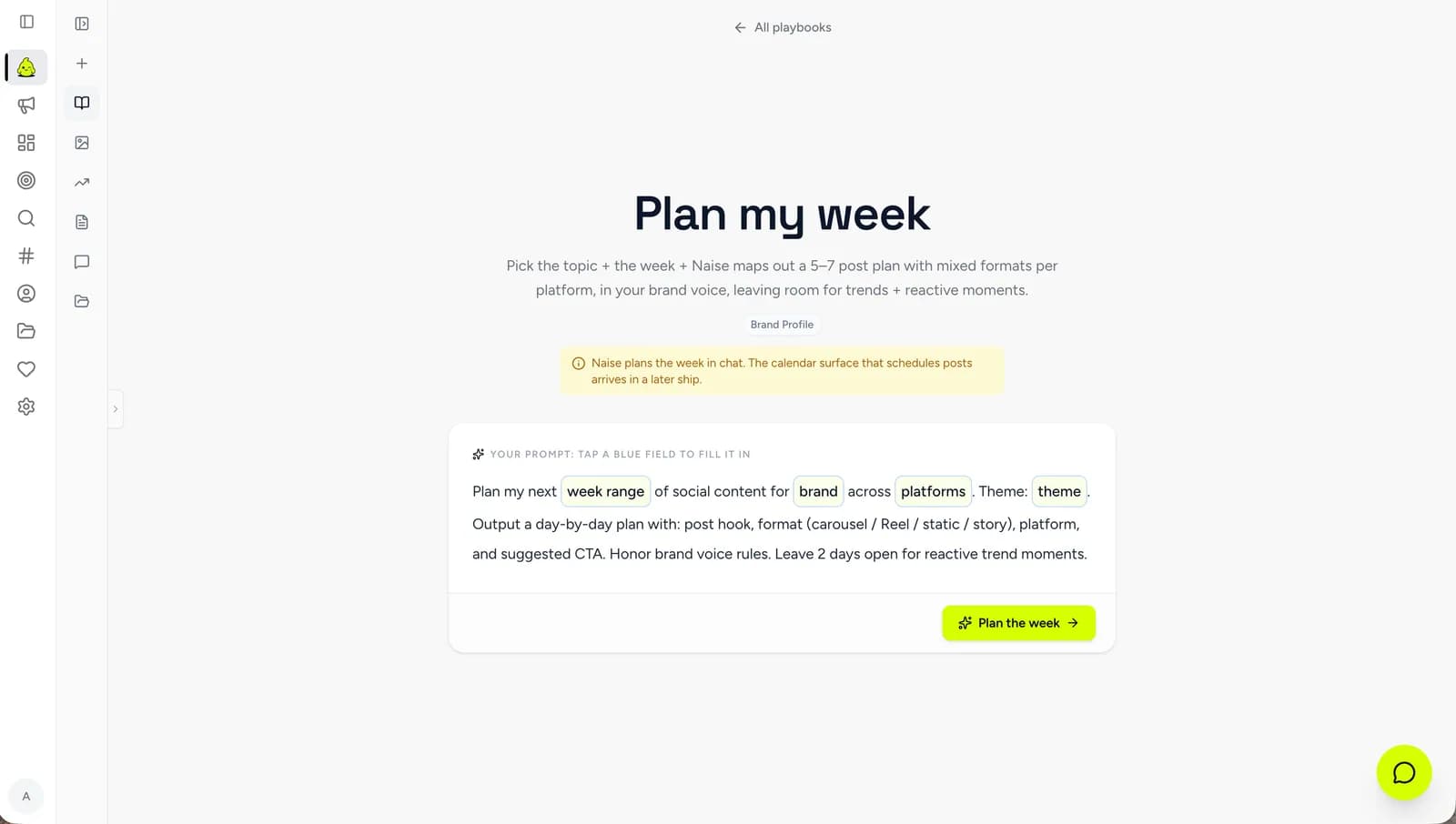
Your team also needs standardized templates for rapid deployment. Instead of staring at a blank page, marketers should use pre-approved frameworks for social media management. You fill in the specific details of the trending news, and the framework handles the formatting.
Finally, empower your account managers to hit publish. If the system guarantees brand safety and strict adherence to the client's tone, you can bypass the lengthy external review process for low-risk reactive posts. This is how you win the feed.
The Naise Workflow: Execute Trends in Minutes, Not Days
Naise AI replaces the fragmented agency stack by combining persistent brand memory with autonomous execution, letting you launch reactive campaigns instantly.
We built Naise AI to be your ultimate AI teammate, specifically designed to eliminate the heavy overhead of manual execution. When a trend breaks, you don't have time for endless prompting or jumping between tools. You just need results. Here is how you execute a flawless reactive campaign using our integrated ecosystem:
Upload Context to Projects: You upload your client's brand guidelines once into Projects. This acts as the persistent memory bank, ensuring the AI never forgets the specific tone of voice, banned phrases, or target audience for that specific client.
Command via Naise Chat: Open the central Dashboard and type your command into Naise Chat. Tell it exactly what trending news you want to hijack.
Deploy an Expert Playbook: Select a pre-configured Playbook (like the "Competitor gap play"). This eliminates prompt fatigue instantly by using our agency-level templates.
Execute with the SMM Agent: Delegate the actual work to the SMM Agent. It autonomously drafts the copy in the exact brand voice, generates aligned visual assets, and handles the direct platform integration for auto-posting.
Agencies can no longer afford to operate at the speed of manual labor. A successful reactive marketing strategy for agencies requires a massive shift away from fragmented tools and towards intelligent, integrated systems. Let the AI handle the grunt work of drafting and scheduling so your team can focus entirely on high-level strategy and client growth. Stop babysitting your socials and start moving faster than the competition.
Frequently Asked Questions (FAQs)
What is a reactive marketing strategy?
A reactive marketing strategy is the practice of quickly creating and publishing content in response to breaking news, pop culture moments, or sudden trends. It requires high agility and a streamlined approval workflow to ensure the brand participates in the conversation while consumer interest is actively peaking.
Why do marketing agencies struggle with reactive content?
Marketing agencies often struggle with reactive content because they rely on a fragmented tech stack and lengthy client approval processes. Using separate tools for social listening, drafting, designing, and publishing creates severe bottlenecks, causing the agency to miss the short window of a viral trend.
How can AI improve an agency's social media management?
AI improves social media management by eliminating repetitive manual tasks like endless prompting, formatting, and cross-platform scheduling. Tools like the SMM Agent in Naise AI can lock in a brand's specific tone of voice and autonomously generate and publish content, allowing agencies to scale their output without adding extra headcount.