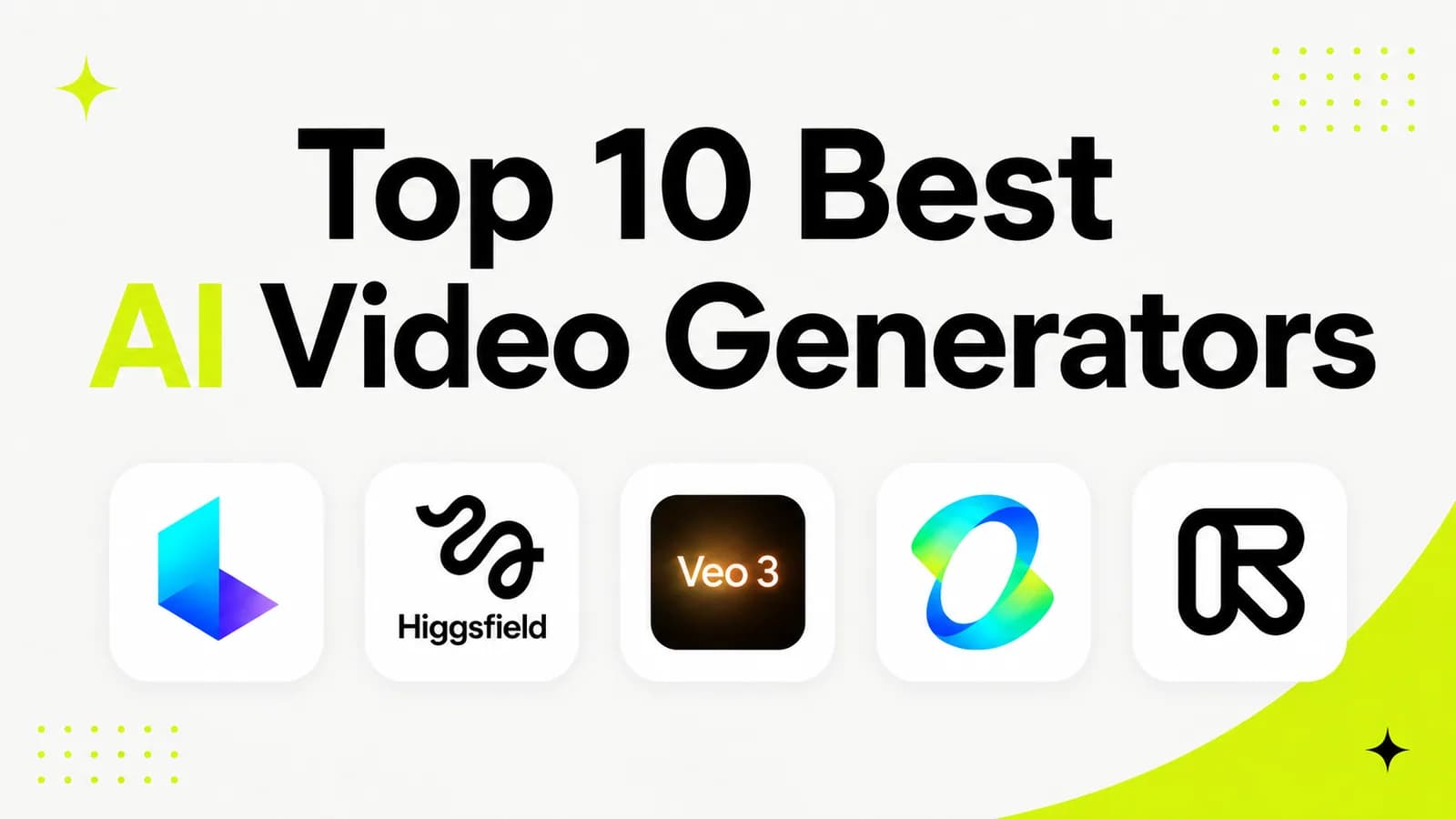
The landscape of text-to-video has evolved drastically, moving from glitchy experiments to production-ready assets. We spent hours hands-on testing the best AI video generators of 2026 to bring you this definitive guide. Whether you need cinematic B-roll, social-first creator ads, or enterprise avatars, this comparison breaks down the top 10 platforms by their strengths, ideal use cases, and starting prices.
The State of AI Video in 2026
In 2026, AI video generators have matured beyond novelty, offering highly realistic motion, precise camera controls, and native audio, making them viable tools for commercial marketing campaigns.
If you haven't checked the capabilities of AI video in the last six months, you are already behind. The days of melting faces and nonsensical physics are largely over. The platforms dominating 2026 are focused on physics-based realism, temporal consistency, and giving creators actual directorial control over the output.
As a marketing team, you are no longer just typing a prompt and hoping for the best. You are directing virtual cameras, utilizing image-to-video workflows to animate existing brand assets, and generating content that is visually indistinguishable from expensive stock footage. However, not all models are created equal. Some excel at hyper-realism, while others prioritize the fast, stylized edits needed for TikTok and Reels.
Navigating this fragmented landscape requires knowing exactly what you need before you pay for a subscription. You do not want to buy an enterprise avatar tool when you really need cinematic product B-roll.
Rank #5. Luma Dream Machine: The Animation Specialist
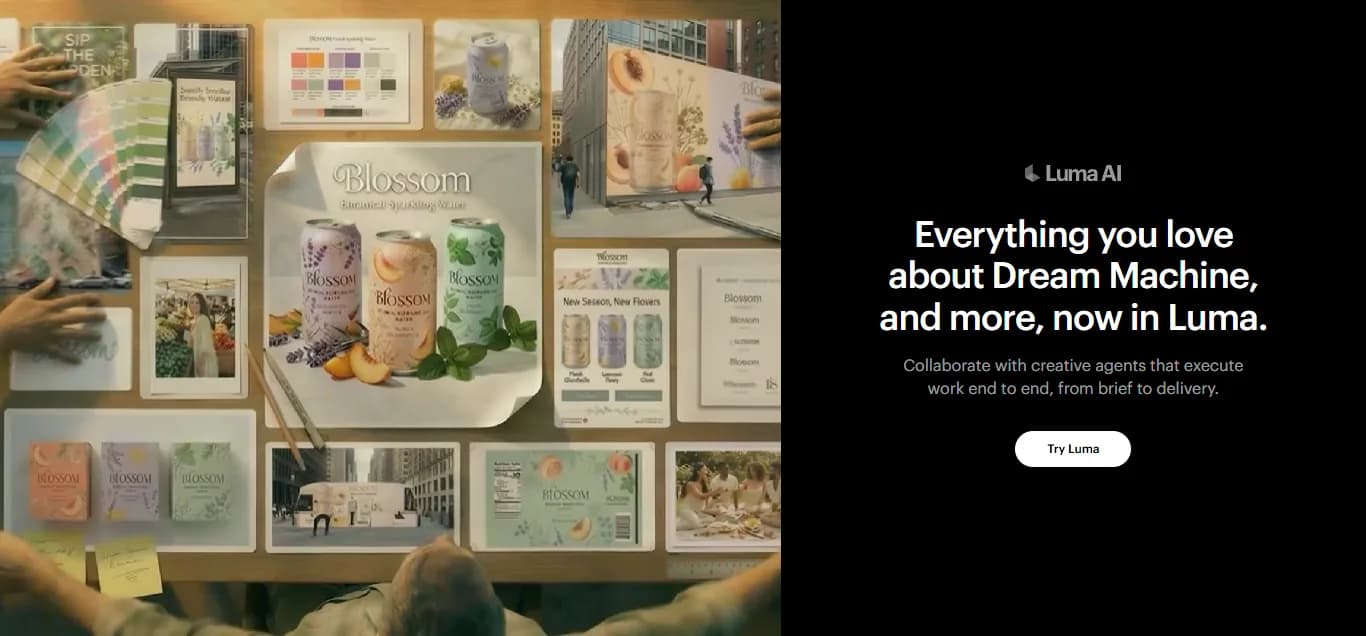
Luma's Dream Machine (and the Ray model) is highly praised for its natural camera movement, impressive scene animation, and ability to handle complex character motion.
Luma Dream Machine burst onto the scene with a focus on speed and natural movement. Their Ray model, in particular, has become a favorite among creators for its ability to animate static scenes with incredibly smooth, lifelike camera pans and tracking shots.
While it can struggle slightly with hyper-realistic human faces compared to Veo, it excels at world-building and animating environments. If you have a static architectural render or a 3D product mockup, feeding it into Luma will yield some of the most natural environmental animation available.
It is a premium tool, but for teams focused on high-end visual storytelling and scene animation, it is often worth the cost.
Starting Price: Paid plans start from $30/mo or $25/mo billed yearly.
Rank #4. Higgsfield AI: The Social-First Engine
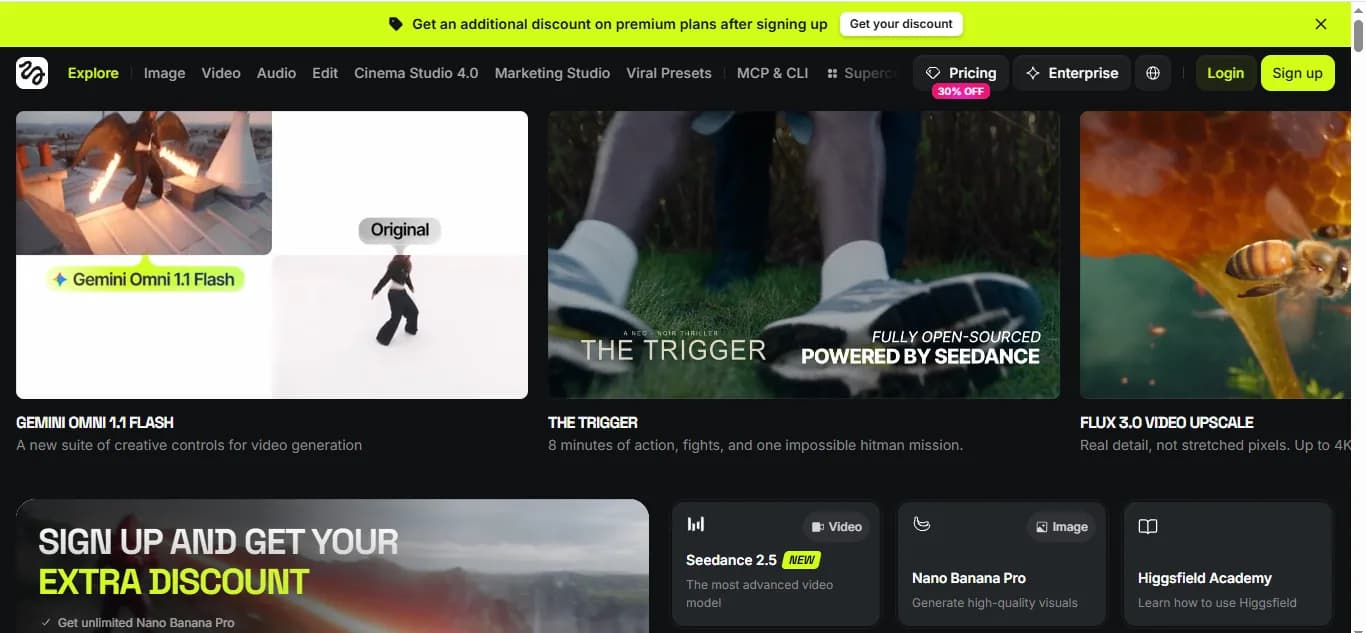
Higgsfield AI is laser-focused on social media marketing, excelling at fashion and beauty visuals, dynamic camera moves, and creating creator-style ads.
While Veo is making TV commercials, Higgsfield AI is dominating the For You Page. This platform is explicitly designed for the modern social media manager. It doesn't try to do everything; it focuses on the aesthetics and pacing that win on TikTok and Instagram Reels.
Higgsfield is particularly strong in the fashion and beauty niches. If you need to generate a video of a model walking down a runway or a dynamic, stylized product reveal with aggressive camera movement, this is the tool.
It is built for marketers who need to produce high volumes of trendy, creator-style content quickly without worrying about complex cinematic prompting.
Starting Price: Free/limited tier available; paid plans start from about $15/mo billed yearly.
Rank #3. Google Veo: The High-End Powerhouse
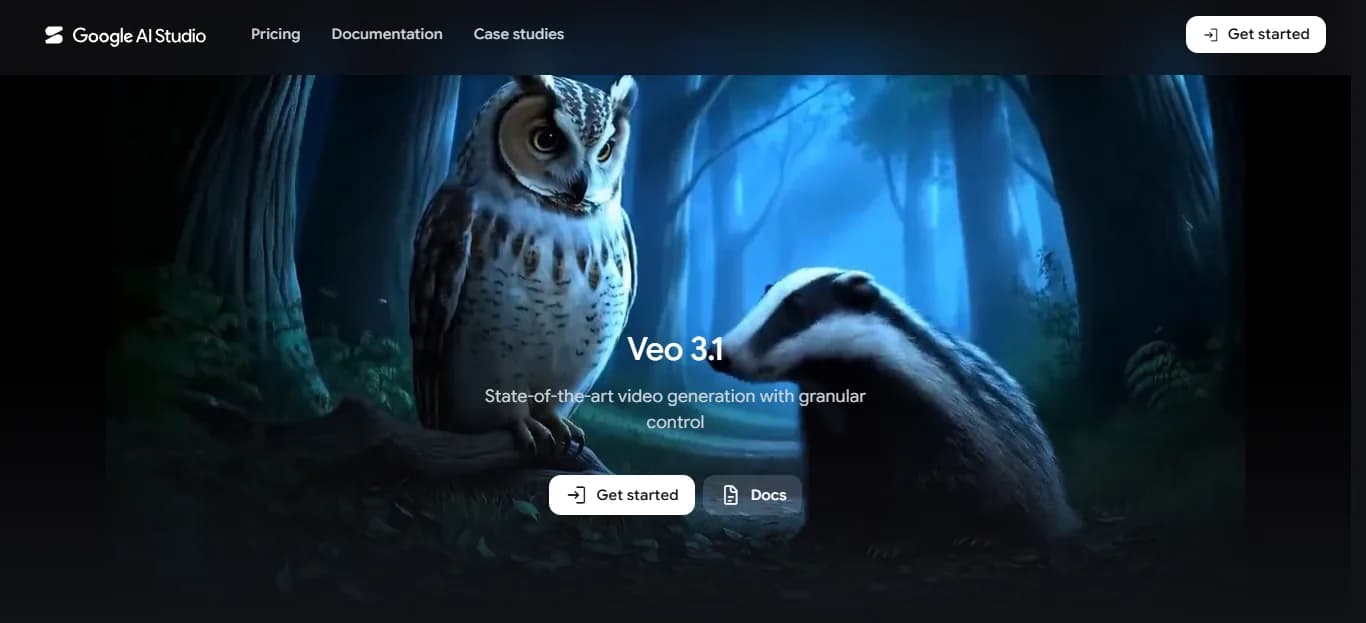
Google Veo focuses on high-fidelity, 1080p photorealistic generation with native audio, targeting enterprise users and production studios via API access.
Google Veo is not the tool you use to make a quick meme for Twitter. It is positioned as a heavy-duty, production-grade model. Unveiled as their answer to OpenAI's Sora, Veo is built to generate high-quality 1080p video that can legitimately replace stock footage in commercial broadcasts.
Its deepest strength lies in photorealism and its understanding of cinematic terms like "time-lapse" or "aerial tracking shot." Furthermore, it is one of the few models pushing hard into native audio generation, meaning the sound effects match the generated video action perfectly without requiring a separate workflow.
Currently, it is heavily gated and primarily accessed via API or Google's Vertex AI platform, making it better suited for development teams and enterprise marketing departments rather than independent creators.
Starting Price: API from $0.15/sec for Veo Fast; $0.40/sec for standard Veo.
Rank #2. Kling AI: The Realism Contender
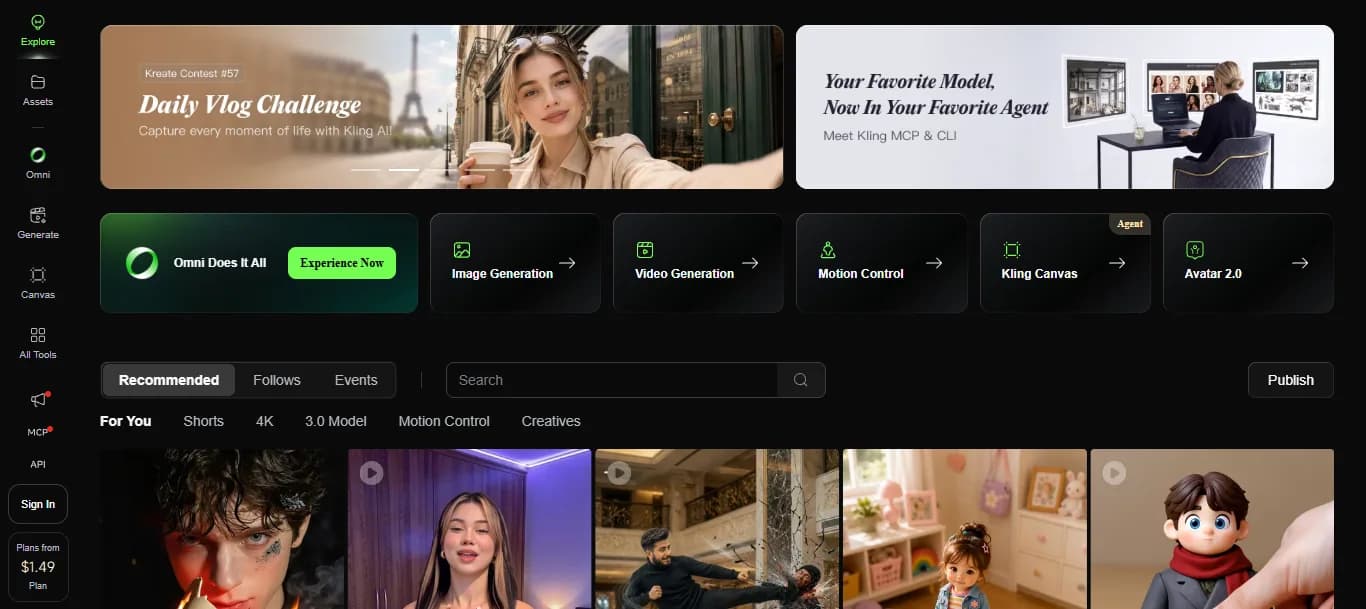
Kling AI is rapidly gaining ground with its incredibly realistic motion physics and high-quality cinematic outputs, making it the best value choice for high-volume video testing.
If you have seen a wildly realistic AI video on your feed recently that didn't come from a major US tech giant, it was likely generated by Kling AI. Developed by Kuaishou, this model shocked the industry with its ability to understand complex physics-like eating, fluid dynamics, and fabric movement—far better than its early competitors.
Kling excels in generating longer, temporally consistent clips that don't fall apart after three seconds. Their image-to-video capability is exceptional for bringing static product shots to life with natural environmental movement.
Because their pricing model is currently very aggressive, it is arguably the best value on the market for marketing teams that need to generate high volumes of variations for A/B testing ad creatives.
Starting Price: Free tier available; paid plans start from $10/mo or around $6.99/mo billed yearly.
Rank #1. Runway: The All-Round Studio Leader
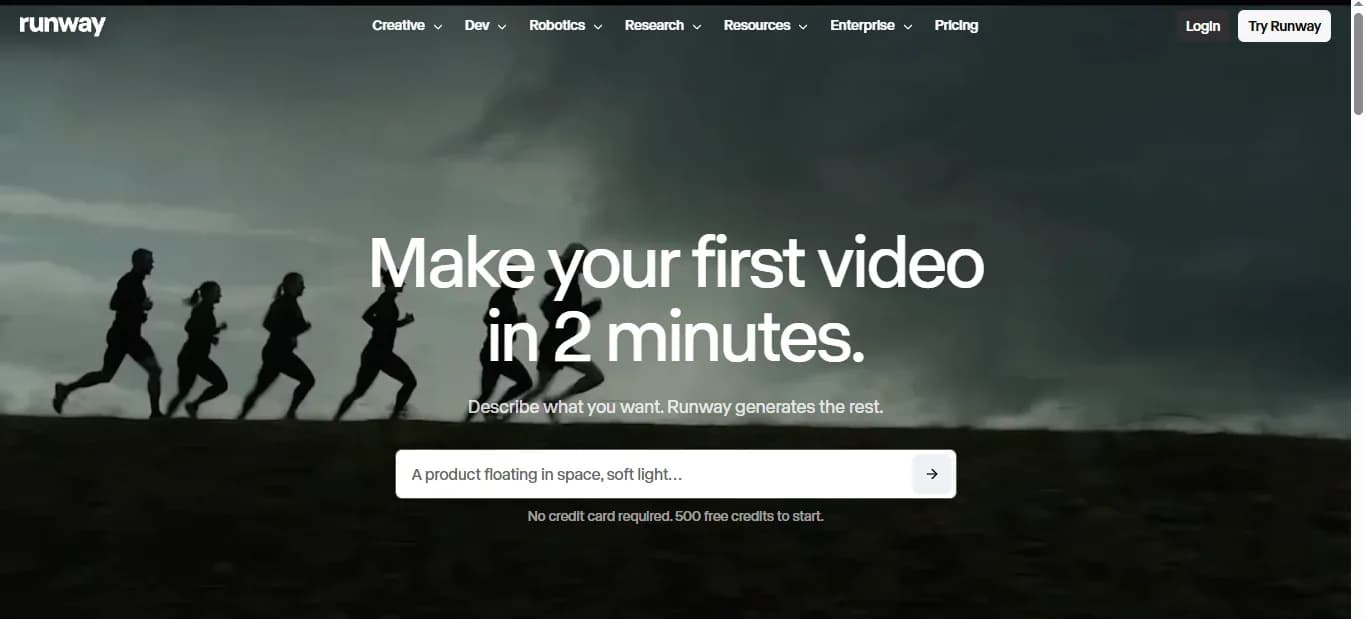
Runway remains the most versatile platform, offering exceptional cinematic generation, precise motion control via its Brush tool, and a robust suite of editing features for a comprehensive workflow.
Runway continues to hold its position as the industry standard for creative professionals. While other models might occasionally beat it on raw photorealism in isolated tests, nothing touches Runway's end-to-end ecosystem.
Their Gen-3 Alpha model is a powerhouse for cinematic image-to-video generation. What truly sets them apart, however, is the level of control. Features like Motion Brush allow you to paint exactly which parts of an image should move, while the Director Mode gives you granular control over camera panning and zooming.
If your team needs a central hub that handles generation, upscaling, and post-production editing in one browser tab, Runway is the safest bet. It is built for teams that actually need to ship finished videos, not just experiment with prompts.
Starting Price: Free tier available; paid plans start from $15/mo or $12/mo billed yearly.
The Best of the Rest: Niche Performers
The remaining top tools cater to specific needs: Pika for playful social effects, Adobe Firefly for brand-safe commercial assets, and Synthesia or HeyGen for talking-head avatars.
The bottom half of the top 10 is where you find highly specialized tools. You choose these not for general capability, but because they solve a very specific workflow problem.
6. Pika: Best for fast social clips, playful transformations (like turning a video into claymation), and meme-style content. Very creator-first and easy to use.
7. Adobe Firefly Video: The absolute safest choice for enterprise teams. Firefly is trained on licensed content, meaning you don't have to worry about copyright infringement when using the assets in commercial campaigns. It also integrates perfectly with Premiere Pro.
8. Hailuo / MiniMax: A rising star from China offering incredibly strong visual quality and cinematic experimentation at a very low cost. Excellent for fast text-to-video drafting.
9. HeyGen: The leader in AI avatars and product explainers. If you need a "talking head" video translated into 30 languages, HeyGen is the standard.
10. Synthesia: The enterprise choice for avatar videos, heavily used for internal communications, training modules, and scalable B2B sales outreach.
The "best" AI video generator doesn't exist in a vacuum; it depends entirely on your specific marketing needs. If you are building a social-first brand, Higgsfield or Pika will serve you better than Veo. If you need a central hub for professional editing, Runway is still king. The key is to stop waiting for the technology to perfect itself and start integrating these tools into your workflow today to dramatically increase your creative output.
FAQs
What is the best AI video generator in 2026?
While it depends on the use case, Runway is widely considered the best all-around platform for its combination of cinematic quality and advanced editing controls, while Kling AI offers the best realistic motion physics.
Are AI video generators safe for commercial use?
Many are, but you must check the licensing agreements. Adobe Firefly Video is specifically designed for commercial safety, as it is trained exclusively on licensed and public domain content, protecting brands from copyright issues.
Can AI video generators make realistic humans?
Yes, models like Google Veo and Kling AI have significantly improved at generating temporally consistent, photorealistic human faces and movements, overcoming the "uncanny valley" effect seen in older AI models.
Which AI video tool is best for social media?
Higgsfield AI and Pika are highly recommended for social media marketing. They excel at dynamic camera movements, stylized edits, and creator-style formats that perform well on platforms like TikTok and Instagram Reels.