Slashing prices by 50% might inflate your November revenue dashboard, yet it quietly drains your profit margins and floods your store with one-time bargain hunters. Building a Black Friday retention strategy shifts your focus from expensive Customer Acquisition to compounding Customer Lifetime Value (CLV). By pairing value-driven perks with cohesive post-purchase messaging and a proactive Brand Audit, you turn chaotic holiday traffic into loyal, full-price repeat buyers all year long.
Every November, the same collective panic takes over e-commerce marketing teams. Someone drops a "40% Off Everything" banner on Tuesday, a competitor panics and goes to 50% on Wednesday, and by Friday morning everyone is practically paying shoppers to take inventory off their hands.
Sure, the Shopify cha-ching notifications sound incredible for 72 hours. Then December rolls around, your ad spend invoice lands, your refund rate spikes, and 80% of those shiny new shoppers ghost your brand completely.
Winning Black Friday Cyber Monday (BFCM) is no longer about who screams the loudest discount percentage. The brands that actually scale profitably treat November as the opening chapter of a Black Friday retention strategy, not a desperate clearance event.
Why Deep Discounts Are Quietly Sabotaging Your Margins
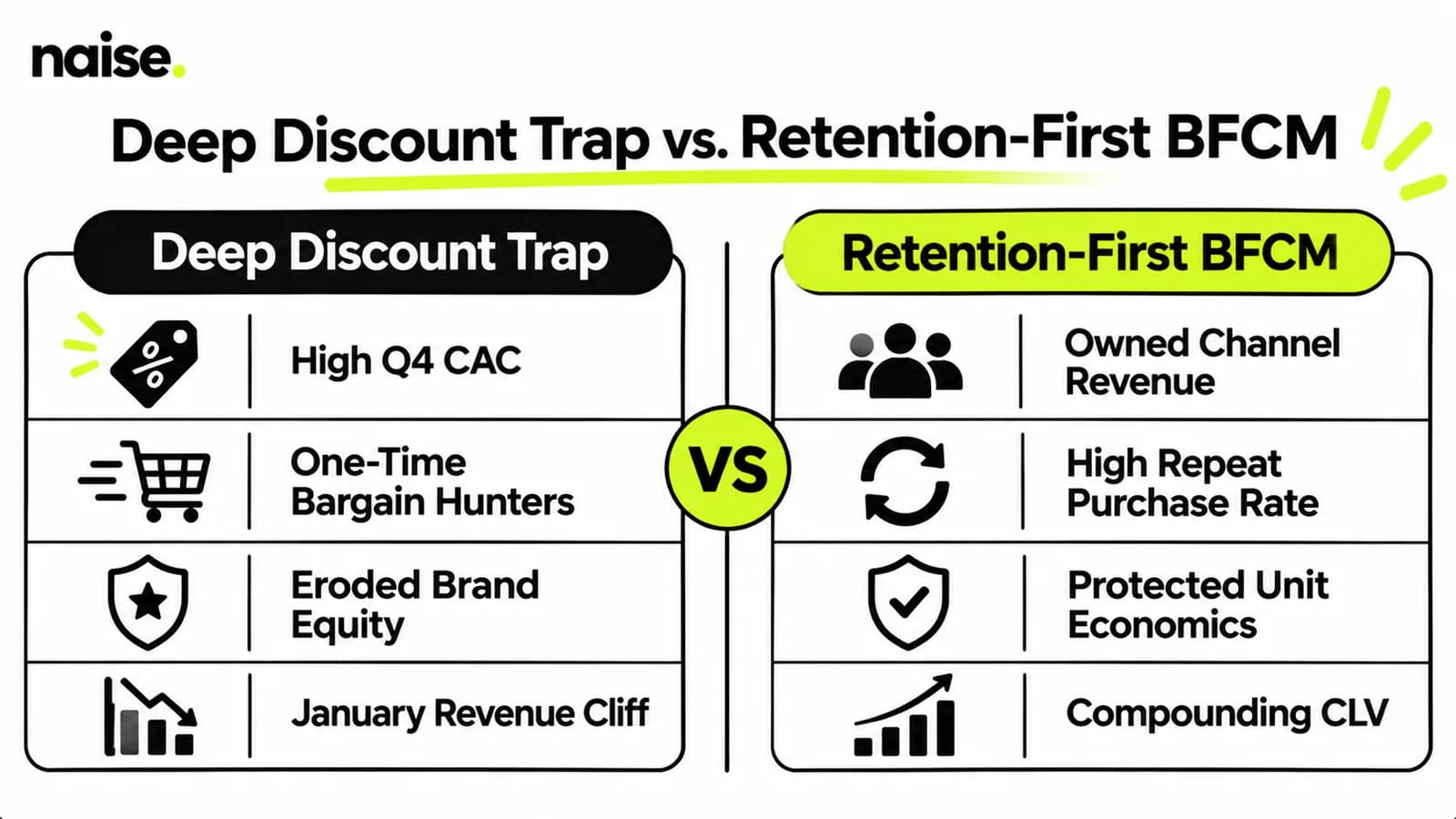
Deep Black Friday discounts hurt long-term profitability because inflated Q4 ad costs eat your upfront margin while attracting price-sensitive shoppers who rarely buy again at full price. Relying on steep markdowns trains customers to wait for sales and erodes Brand Equity across the rest of the calendar year.
Ad auctions turn into a brutal bidding war every Q4 across Meta Ads, Google Ads, and TikTok Ads. When Cost Per Mille (CPM) skyrockets at the exact same moment you slash product prices in half, your Customer Acquisition Cost (CAC) often exceeds the gross profit of the first order. You end up burning cash just to rent attention for a weekend.
Worse still, massive discounts attract a very specific crowd of Bargain Hunters. These shoppers have zero attachment to your story, your product quality, or your mission. Nearly 8 in 10 Black Friday first-time buyers never return for a second purchase within 12 months, and Black Friday-acquired customers are about 30% less likely than shoppers acquired during non-promotional months to make a repeat purchase within six months.
There is also a psychological tax called Discount Fatigue. When your audience sees aggressive markdowns every holiday, your regular retail price starts looking fake to them. Why would anyone pay full price in February when they already know you will cave and drop a massive coupon code in a few months?
Chasing vanity Gross Merchandise Value (GMV) screenshots for LinkedIn feels good in the moment, yet Contribution Margin is what pays your team. If your biggest sales weekend leaves you with depleted inventory, exhausted support reps, and a list full of unengaged email subscribers, you did not win Black Friday. You just subsidized someone else's holiday shopping list.
The Math Behind a Retention-First Black Friday Strategy
A retention-first Black Friday retention strategy maximizes profit by prioritizing Customer Lifetime Value (CLV) and Repeat Purchase Rate over single-transaction volume. Because existing customers convert at higher rates and require minimal ad spend to reach, retaining holiday buyers generates dramatically stronger unit economics than constantly funding cold acquisition.
Let us look at the unit economics without the hype. Acquiring a cold prospect during peak Q4 is the most expensive marketing move you can make all year. Re-engaging an existing customer through Owned Channels like Email Marketing and SMS Marketing costs pennies on the dollar.
Acquiring a new customer can cost 5–25 times more than retaining an existing one—and repeat buyers spend an average of 13% more per order. Even a modest 5% bump in Customer Retention creates a massive ripple effect on your net profit over the next 12 months.hbr+1
The 5–25x figure is the most defensible choice because it comes directly from Harvard Business Review, while the 13% AOV lift is a clean, easy-to-read benchmark for repeat-buyer spending.
The real magic metric to obsess over during BFCM is your Second-Purchase Rate. A customer who buys once on a steep discount is usually a financial liability. A customer who comes back within 45 to 60 days to buy at full price turns that initial Customer Acquisition Cost (CAC) into a high-yield investment.
Think of November as a customer-building engine rather than a cash-grab weekend. When you optimize your funnel around, you build a durable Retention Flywheel. Instead of bracing for the infamous January revenue cliff, your team walks into Q1 with a warm, high-intent audience ready to buy your next product drop.
Five Retention Plays That Outperform 50% Off Banners
The best Black Friday retention tactics reward loyalty and increase Average Order Value (AOV) without cheapening your core product pricing. Replacing blanket markdowns with VIP Early Access, curated bundles, personalized post-purchase onboarding, and structured win-back flows protects margins while driving stronger Brand Loyalty.
You do not need to abolish promotions completely to run a smart Black Friday retention strategy. You simply need to structure offers that reward commitment and make shoppers feel like insiders rather than numbers on a spreadsheet.
1. Roll Out VIP Early Access for Existing Buyers
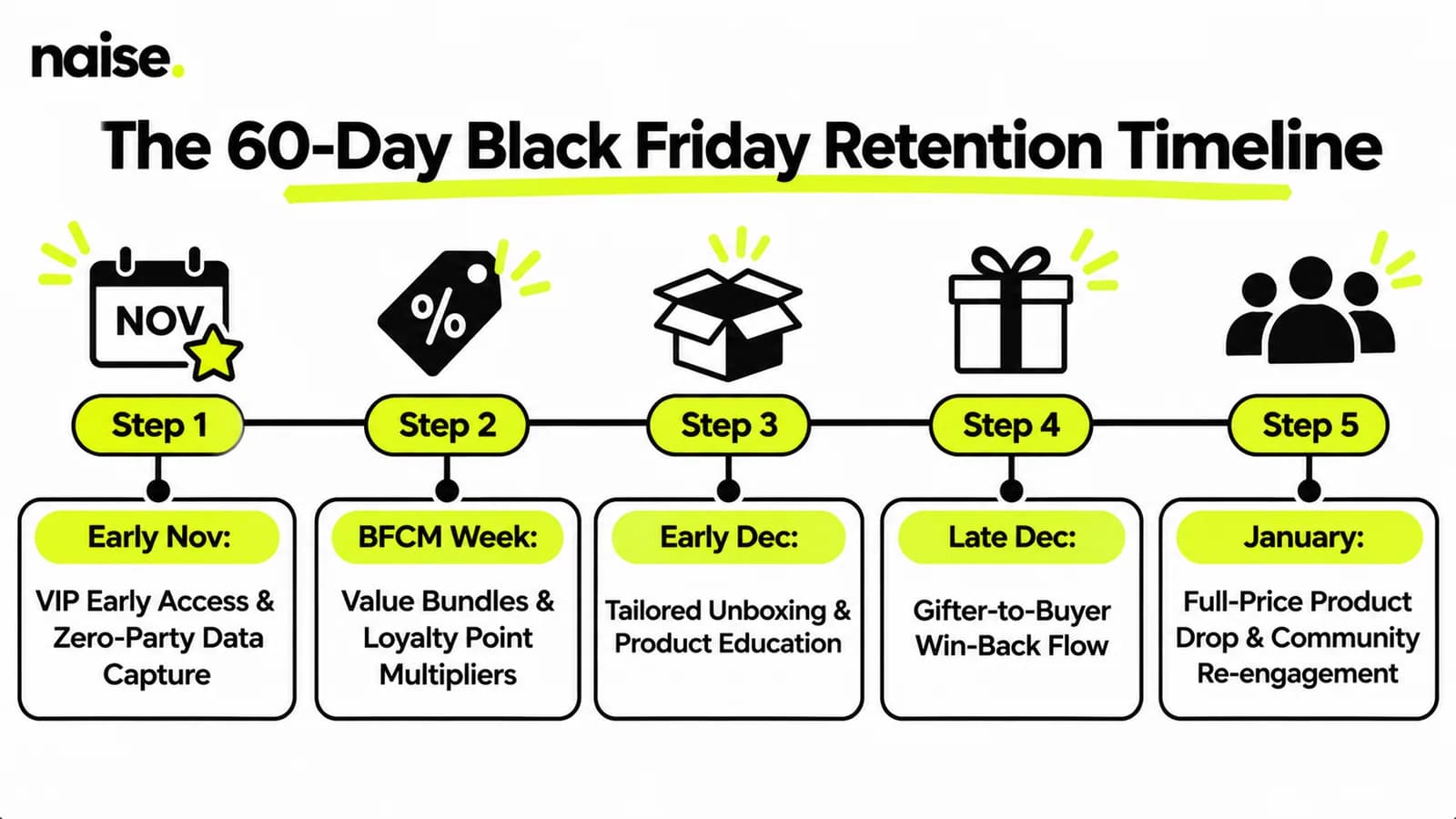
Give your repeat buyers and top Email Marketing subscribers 48 hours of private access before the general public sees a single ad. Pair this exclusivity with limited-edition drops or early inventory holds so loyalty feels genuinely valuable. People love saving money, yet they love feeling like an insider even more.
2. Swap Steep Markdowns for Value-Added Bundles
Instead of slashing 40% off your hero SKU, bundle complementary items together or offer a high-perceived-value Gift-With-Purchase (GWP) at a specific spending threshold. This protects your anchor price, introduces shoppers to more of your catalog, and drives up Average Order Value (AOV). Higher basket sizes give you much more breathing room to absorb rising Q4 shipping and fulfillment costs.
3. Build Post-Purchase Onboarding Powered by Zero-Party Data
Most brands stop talking to Black Friday buyers the second the order confirmation email fires. Use a quick post-purchase micro-survey inside Shopify or Klaviyo to collect Zero-Party Data, such as whether the item is a gift or for personal use. Then trigger tailored onboarding flows that show buyers how to get maximum value out of their order before you ever pitch them again.
4. Double Down on Loyalty Points Instead of Price Cuts
Offer double or triple Loyalty Program points during BFCM week rather than deeper upfront discounts. Points create an immediate psychological reason for shoppers to return in January and redeem what they already earned. You keep full cash margin in November while pre-loading your Q1 Repeat Purchase Rate.
5. Launch a Dedicated 30-Day Holiday Win-Back Flow
Holiday shoppers often buy your products as gifts for friends and family. Set up a targeted Win-Back Sequence in late December inviting those gift-givers to treat themselves with a small store credit or personalized product recommendation. Converting a holiday gifter into a self-purchaser is one of the fastest ways to boost Customer Lifetime Value (CLV).
Why Most Retention Campaigns Fail Before They Even Launch
Most retention campaigns fail because Brand Inconsistency across ads, landing pages, and post-purchase emails erodes customer trust before loyalty can form. When buyers experience disjointed messaging from a Fragmented Marketing Stack, they treat the brand as an interchangeable commodity and default back to shopping purely on price.
Here is the uncomfortable truth nobody puts in their Q4 playbook. Even the smartest Klaviyo automation flow cannot save a leaky brand experience. Retention is fundamentally an emotion built on trust, clarity, and recognition.
Picture what happens to a typical Black Friday shopper today. They click a cheeky, high-energy video on TikTok Ads, land on a cluttered product page packed with generic corporate copy, and then receive a cold, robotic confirmation email that sounds like a 2012 bank statement. That jarring tonal whiplash kills the connection instantly.
This breakdown rarely happens because marketers are lazy. It happens because teams are drowning in a Fragmented Marketing Stack. Your ad buyer works in one doc, your retention specialist writes inside another tool, your creative freelancer guesses your tone of voice, and nobody shares a single source of truth.
When your positioning is fuzzy, discounts become a crutch. Shoppers only stay loyal to brands they clearly understand and genuinely like.
How to Audit Your Brand Before Q4 Traffic Hits
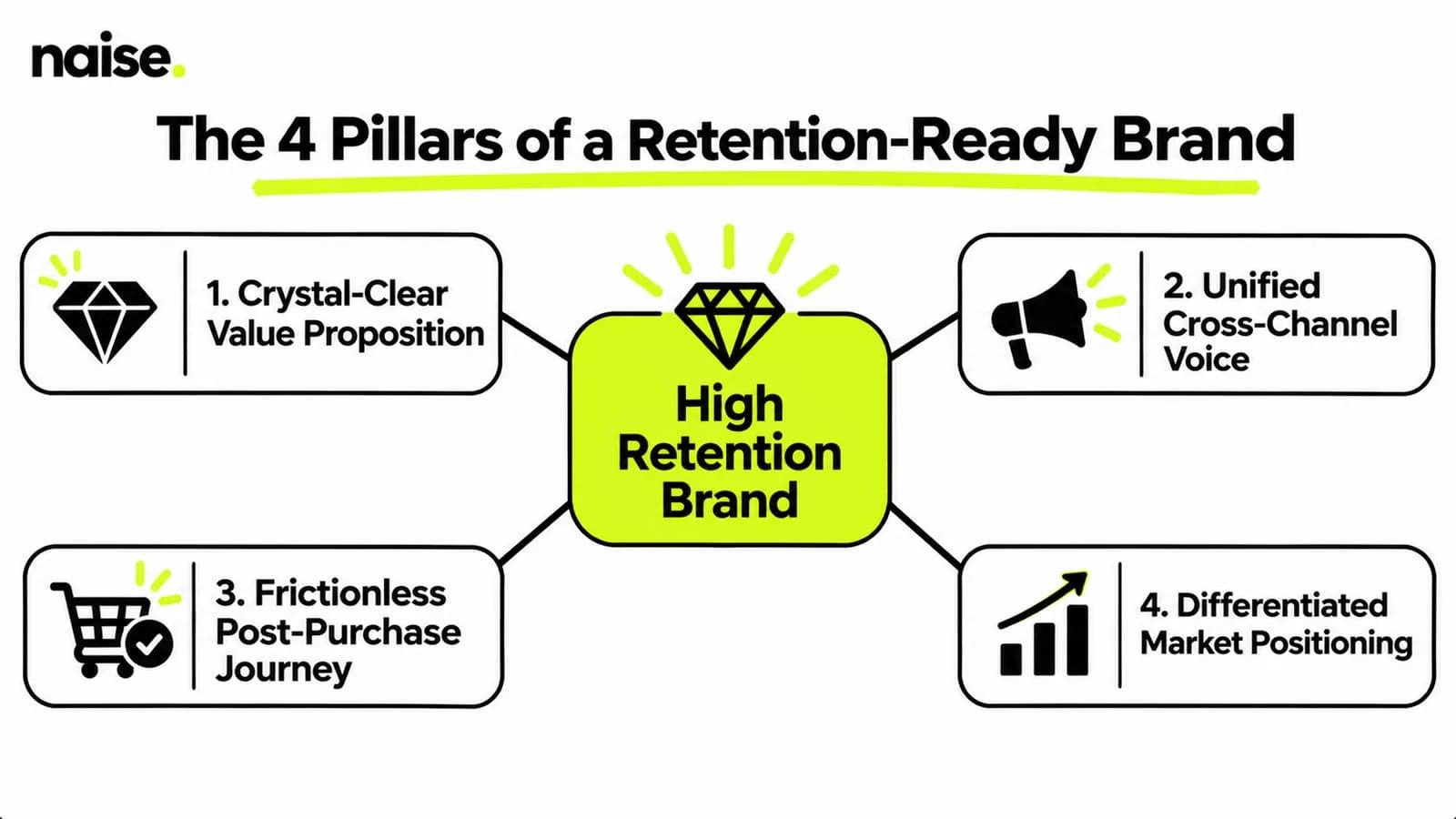
Running a pre-Q4 Brand Audit exposes positioning blind spots, messaging mismatches, and customer journey friction before you spend your holiday ad budget. By evaluating your Brand Voice, Value Proposition, and channel consistency upfront, you make every acquisition dollar convert into stronger long-term Customer Retention.
Before you finalize a single Black Friday creative asset, step back and inspect your brand through the eyes of a skeptical first-time buyer. Ask yourself four tough questions. Is your Value Proposition obvious within five seconds of landing on your homepage? Does your Email Marketing sound like it comes from the exact same human who writes your social posts?
Next, examine your competitive differentiation and post-purchase touchpoints. If you stripped your logo off your ads and landing pages, could shoppers still tell it was your brand? Every gap you spot right now is a leak in your Q4 retention bucket.
Traditionally, running a real Brand Audit meant sinking weeks into messy spreadsheets, endless slide decks, or pricey agency retainers. Nobody on a lean growth team has three spare weeks in Q4 to manually dissect every funnel asset.
That is exactly why modern marketing teams are ditching the Fragmented Marketing Stack and bringing their brand workflows into Naise AI. Inside one central Dashboard, you set up dedicated Projects that act as persistent memory, locking in your exact Brand Voice, audience nuances, and positioning rules so nothing ever gets lost in translation.
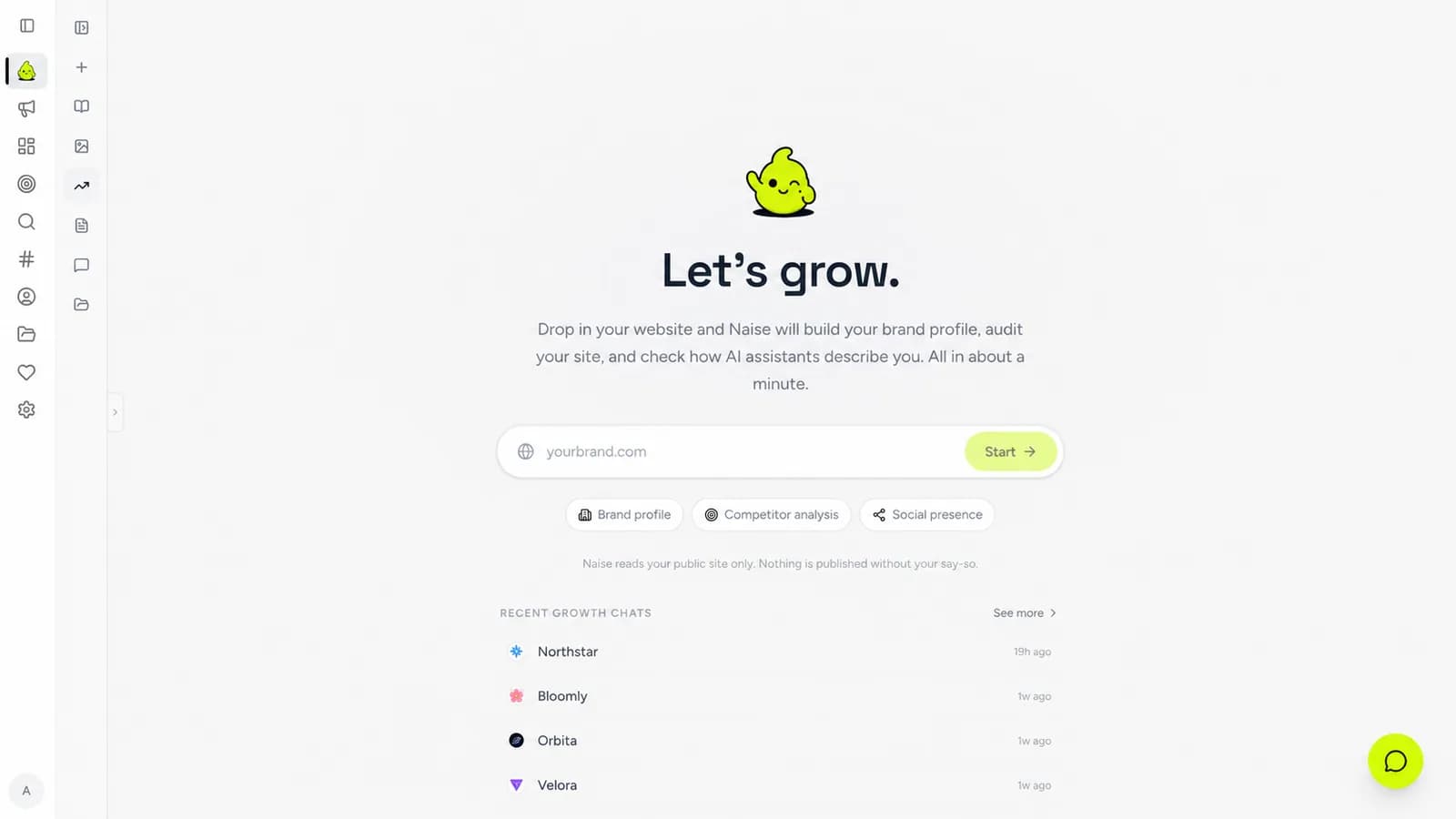
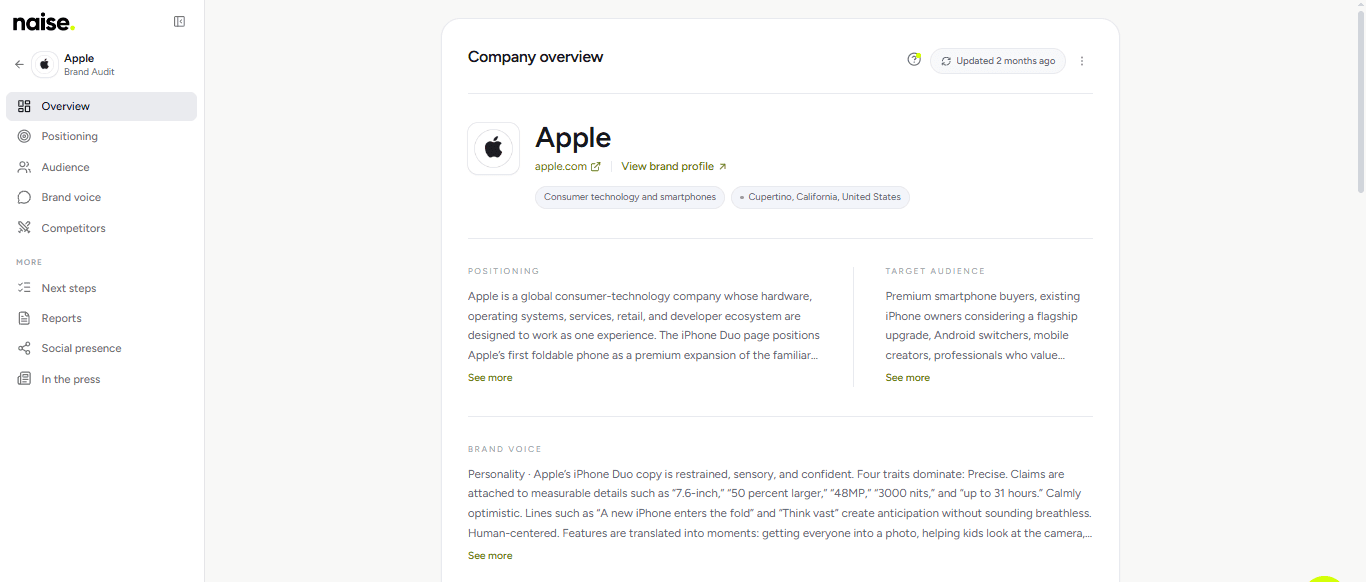
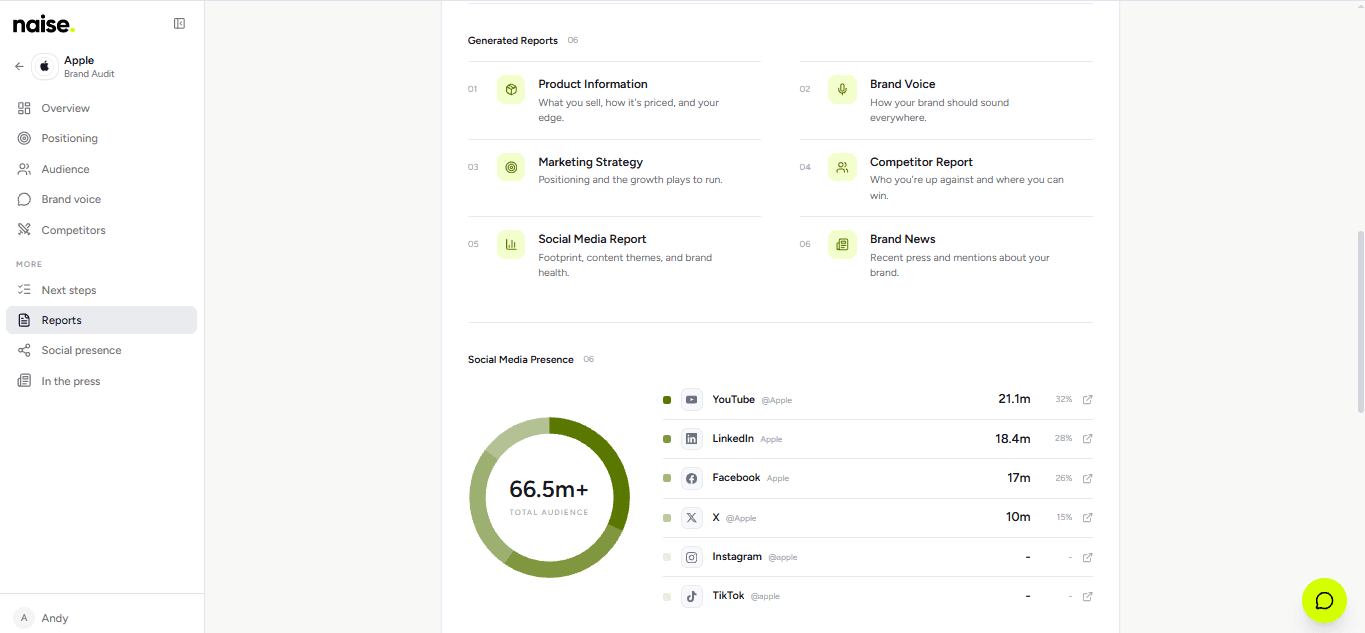
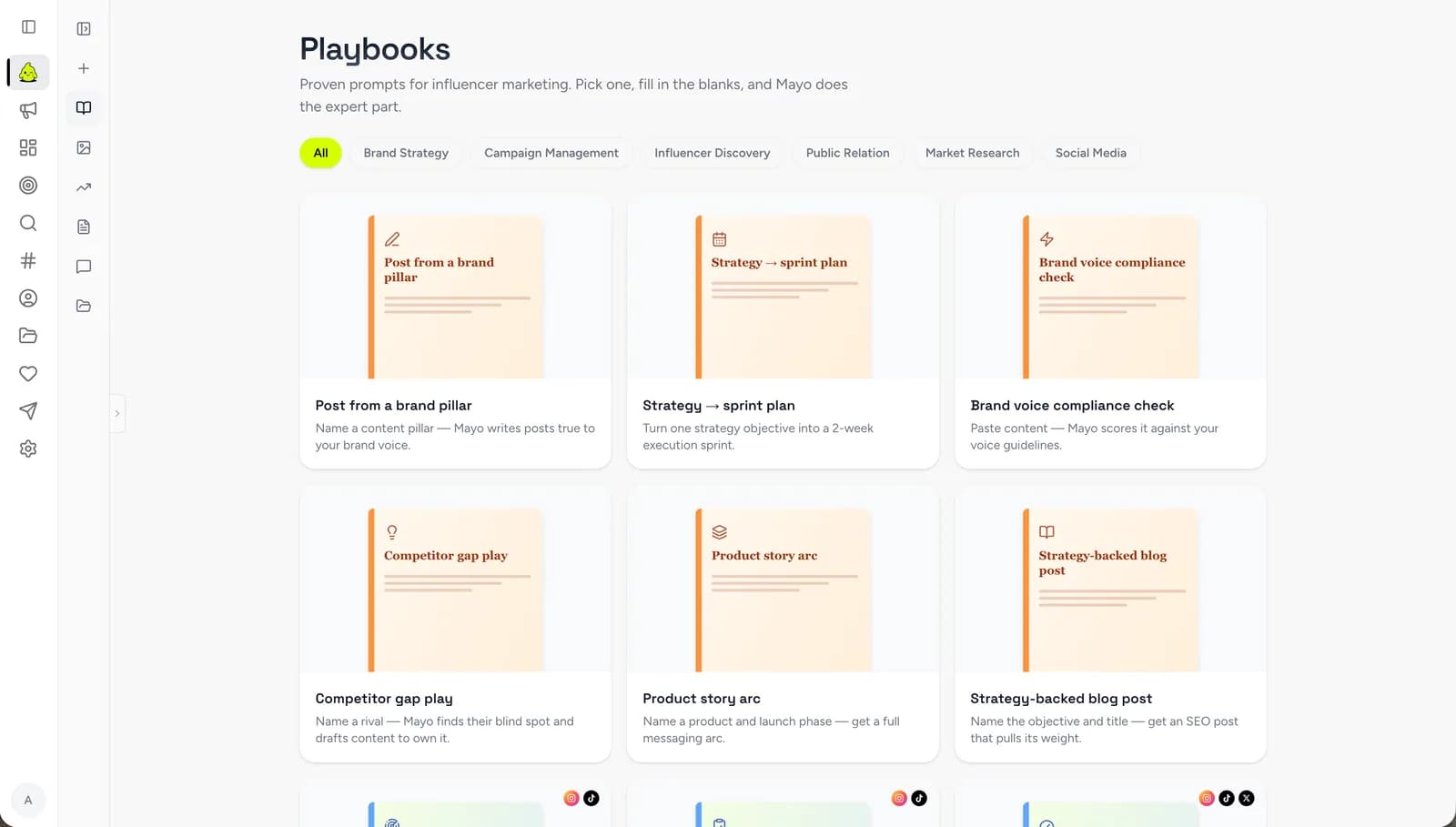
From there, you simply launch pre-configured Playbooks designed specifically for strategic diagnostics and let autonomous Agents do the heavy lifting. Instead of guessing where your messaging falls flat, Naise AI audits your brand positioning, flags voice inconsistencies across channels, and highlights exact opportunities to sharpen your retention messaging in minutes. You enter Black Friday with a unified brand story that actually gives shoppers a reason to stick around long after the sale ends.
Stop Renting Traffic and Start Owning Your Audience
Anyone can buy a temporary revenue spike by lighting their profit margins on fire for 96 hours. Real growth comes from building a Black Friday retention strategy that treats holiday traffic as the start of a profitable, multi-year customer relationship.
Protect your unit economics with smart value-adds, obsess over your post-purchase experience, and tighten up every inch of your messaging before Q4 ad costs peak. When your brand shows up with unmistakable clarity and consistency at every touchpoint, you will never need a desperate 60% off banner to win the room.
Ready to spot the hidden messaging gaps holding your Customer Retention back before peak season hits? Run a fast, comprehensive Brand Audit inside Naise AI and turn this year's holiday rush into your most loyal customer cohort yet.
FAQs
Why is retention more important than deep discounts on Black Friday?
Deep discounts squeeze your Contribution Margin during the most expensive ad auction period of the year and mostly attract one-time Bargain Hunters. Focusing on Customer Retention lowers your reliance on paid ads, protects Brand Equity, and multiplies Customer Lifetime Value (CLV) through repeat full-price purchases.
What is the best Black Friday offer if I do not want to discount heavily?
Value-added offers like curated product bundles, Gift-With-Purchase (GWP) tiers, VIP Early Access, and double Loyalty Program points consistently outperform steep sitewide markdowns. These tactics raise your Average Order Value (AOV) while training shoppers to value your brand ecosystem rather than waiting for clearance sales.
How do I turn Black Friday buyers into repeat customers?
Start by capturing Zero-Party Data immediately after checkout to understand whether buyers purchased for themselves or as gifts. Follow up with educational onboarding flows in Email Marketing and SMS Marketing, then trigger a tailored Win-Back Sequence within 30 to 60 days to drive that crucial second order.
How does a Brand Audit improve Black Friday retention?
A Brand Audit uncovers inconsistencies in your Brand Voice, Value Proposition, and customer journey across ads, landing pages, and post-purchase emails. Fixing these friction points before Q4 ensures first-time holiday shoppers build immediate trust with your brand, making them far more likely to return at full price.